Different steak cuts offer different textures and flavors.
Popular options include:
Ribeye
- Rich marbling
- Juicy texture
- Strong beef flavor
Sirloin steak
- Leaner texture
- Balanced flavor
- Often more affordable
Filet mignon
- Extremely tender
- Mild flavor
- Softer texture
The cut you choose influences cooking time and final taste significantly.
Step 2: Bring the Steak to Room Temperature
Take the steak out of the refrigerator approximately 20–30 minutes before cooking.
This helps:
- Promote even cooking
- Reduce cold spots
- Improve crust formation
Cooking very cold steak directly from the fridge can lead to uneven results.
Step 3: Season Generously
Simple seasoning is often enough for a great steak.
Most cooks use:
- Salt
- Black pepper
Optional additions:
- Garlic powder
- Rosemary
- Thyme
- Smoked paprika
Salt also helps enhance natural beef flavor.
Step 4: Heat the Pan Properly
High heat is essential for creating a flavorful crust through the Maillard reaction — the browning process responsible for much of steak’s savory flavor.
Recommended cooking surfaces:
- Cast iron pan
- Stainless steel pan
- Grill
Add a small amount of high-heat oil and wait until the pan becomes very hot.
The steak should sizzle immediately upon contact.
Step 5: Sear the Steak
Place the steak down and avoid moving it constantly.
Approximate cooking times vary depending on thickness, but general guidelines include:
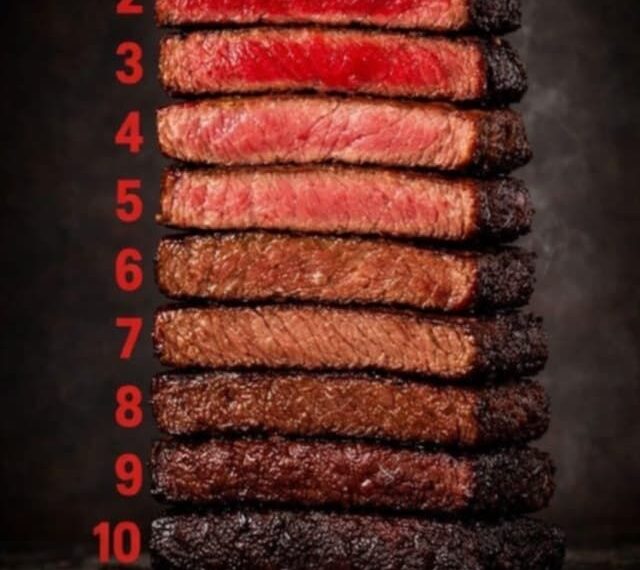
- 2–3 minutes per side → Rare
- 3–4 minutes per side → Medium-rare
- 4–5 minutes per side → Medium
- Longer cooking → Medium-well to well done
Flip only once if possible to help build a strong crust.
Thicker steaks may require additional oven finishing after searing.
Step 6: Add Butter and Aromatics
Toward the end of cooking, many chefs add:
- Butter
- Garlic cloves
- Rosemary
- Thyme
The melted butter is often spooned repeatedly over the steak, a technique called basting.
This adds:
- Flavor
- Richness
- Surface browning
Step 7: Let the Steak Rest
Resting is extremely important.
After cooking, allow the steak to rest for:
- 5–10 minutes
This helps redistribute juices throughout the meat instead of losing them immediately after cutting.
Cutting too early often causes juices to spill out onto the plate.
Internal Temperatures for Steak
Using a meat thermometer provides the most accurate results.
Approximate internal temperatures:
| Doneness | Temperature |
|---|---|
| Rare | 120–125°F (49–52°C) |
| Medium-rare | 130–135°F (54–57°C) |
| Medium | 140–145°F (60–63°C) |
| Medium-well | 150–155°F (65–68°C) |
| Well done | 160°F+ (71°C+) |
Temperatures continue rising slightly while resting.
Butter, Sauces, and Pairings
Steak pairs well with many flavors.
Popular additions include:
- Garlic butter
- Pepper sauce
- Mushroom sauce
- Chimichurri
- Herb butter
Common side dishes:
- Roasted potatoes
- Grilled vegetables
- Salad
- Creamed spinach
Common Steak Mistakes
Cooking on Low Heat
This prevents proper crust development.
Flipping Too Often
Constant movement reduces browning.
Skipping Rest Time
This can dry out the steak quickly.
Overcrowding the Pan
Too many steaks reduce pan temperature and create steaming instead of searing.
Safety Note About Undercooked Beef
Rare and medium-rare steaks are popular, but food safety matters.
Whole cuts of beef generally carry lower bacterial risk internally than ground beef because bacteria are usually found on the surface, which gets seared during cooking.
However:
- Proper handling
- Fresh meat
- Correct storage
- Safe cooking practices
remain important.
Individuals with weakened immune systems, pregnancy, or certain medical conditions may prefer more thoroughly cooked meat.
Why Steak Preferences Are So Personal
Food preferences are influenced by:
- Culture
- Family habits
- Texture sensitivity
- Taste perception
- Childhood experiences
Some people love the tenderness of rare steak.
Others strongly prefer fully cooked meat.
Neither choice is objectively “wrong.”
The best steak is ultimately the one that matches your own taste and comfort.
Final Thoughts
Cooking steak well is a balance of:
- Heat
- Timing
- Resting
- Quality ingredients
Whether you prefer a cool red center or a fully cooked slice with a firm bite, steak remains one of the most versatile and debated comfort foods around the world.
And while chefs may continue arguing over the “perfect” doneness, the real answer is simple:
The perfect steak is the one you enjoy eating most.