

5
Scratches on glasses can quickly become frustrating. They may cause:
- Blurry vision
- Light glare
- Eye strain
- Reduced clarity
Because prescription glasses and sunglasses can be expensive to replace, many people look for safe ways to clean and improve the appearance of scratched lenses at home.
However, it is important to understand one key fact first:
Deep scratches usually cannot be completely removed from modern lenses without professional polishing or replacement. Many lenses today include protective coatings that can become damaged if harsh DIY methods are used.
Still, gentle cleaning and careful maintenance can sometimes reduce the visibility of very light surface marks while helping glasses look cleaner and clearer overall.
Why Glasses Scratch So Easily
Modern lenses are often made from lightweight plastic materials rather than glass.
These materials are:
- Lighter
- Safer
- More impact-resistant
But they may also scratch more easily.
Scratches commonly happen because of:
- Cleaning lenses with clothing
- Dust particles rubbing the surface
- Dropping glasses
- Storing glasses without a case
- Using paper towels or tissues
- Improper cleaning products
Even tiny particles trapped during cleaning can create micro-scratches over time.
Important Warning Before Trying DIY Methods
Many viral internet “scratch removal hacks” can actually damage lenses further.
Methods involving:
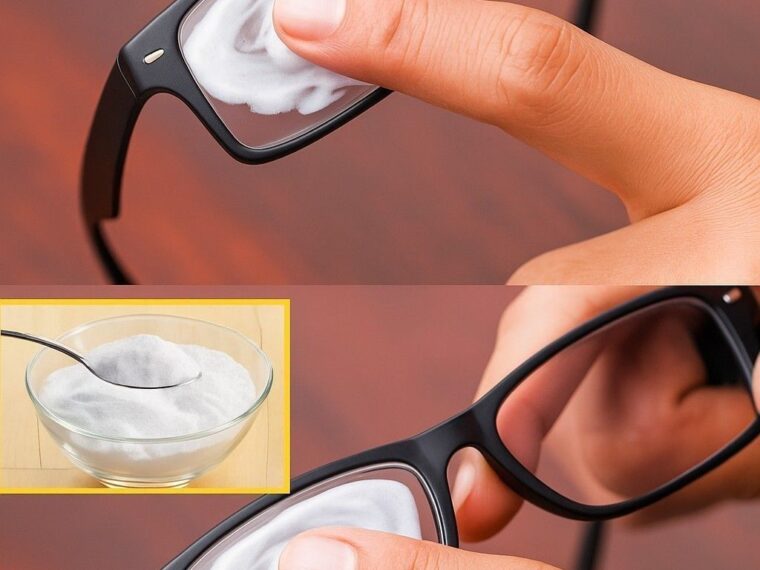
- Baking soda abrasives
- Toothpaste
- Vinegar mixtures
- Strong chemicals
may remove lens coatings or worsen scratches permanently.
This is especially risky for lenses with:
- Anti-reflective coatings
- Blue light filters
- UV protection
- Polarized coatings
For valuable prescription lenses, gentle cleaning is usually much safer than aggressive polishing attempts.
Safe Ingredients for Gentle Lens Cleaning
The safest approach focuses on cleaning and improving appearance rather than aggressively “erasing” scratches.
Recommended materials include:
Warm Water
Warm water helps loosen oils, dirt, and residue without damaging most lenses.
Avoid extremely hot water because heat may weaken lens coatings.
Mild Dish Soap
Choose:
- Dye-free
- Alcohol-free
- Gentle detergent
A mild soap helps remove grease and fingerprints safely.
Avoid harsh household cleaners containing:
- Ammonia
- Bleach
- Vinegar
- Acetone
These may damage coatings.
Microfiber Cloth
Microfiber cloth is one of the safest materials for lens cleaning.
Microfiber helps:
- Trap dirt particles
- Reduce streaks
- Minimize scratching risk
Avoid:
- Paper towels
- Napkins
- Rough fabrics
- Shirt sleeves
These materials can create additional scratches.
Step-by-Step Cleaning Method
Step 1: Rinse the Glasses
Hold the glasses under lukewarm water.
This helps remove:
- Dust
- Sand
- Small particles
before wiping.
Skipping this step may rub debris directly across the lens surface.
Step 2: Apply Mild Soap
Next page