Potentially.
Conditions such as:
- Alzheimer’s Disease
- Dementia
are associated with inflammation, cellular dysfunction, and aging-related changes in the brain.
Researchers hope that targeting these mechanisms could eventually lead to new therapies.
However, whether this nasal spray will help people remains unknown until human studies are completed.
Why This Research Matters
For many years, scientists viewed cognitive aging largely as an irreversible process.
Modern research increasingly suggests that some age-related changes may be influenced by:
- Inflammation
- Mitochondrial health
- Immune system activity
- Cellular signaling
This study contributes to that growing body of evidence.
What Can People Do Today to Support Brain Health?
While experimental treatments are still being studied, the strongest evidence currently supports:
🧠 Regular physical activity
🥗 Balanced nutrition
😴 Adequate sleep
📚 Lifelong learning and mental stimulation
👥 Social engagement
❤️ Managing blood pressure, diabetes, and cardiovascular risk factors
🚭 Avoiding smoking
These lifestyle factors have significantly more evidence in humans than any experimental anti-aging therapy currently available.
Final Thoughts
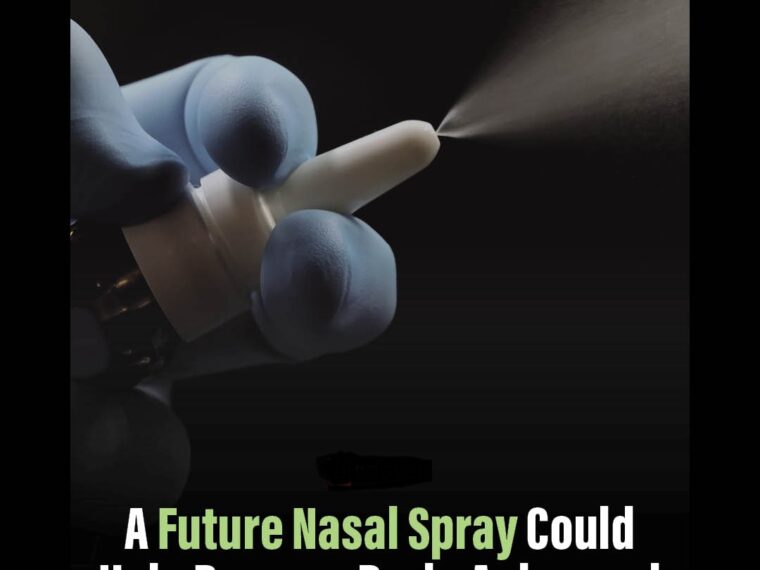
The Texas A&M study is an intriguing step forward in neuroscience. Researchers used a nasal spray containing extracellular vesicles to reduce inflammation, improve cellular energy production, and enhance memory performance in aging mice.
The findings are promising, but they remain early-stage research. The treatment has not yet been shown to reverse brain aging in humans, and much more research is needed before it could become a medical therapy.
Still, the study adds to growing evidence that some aspects of brain aging may one day be treatable rather than simply accepted as inevitable. 🧠🔬✨