
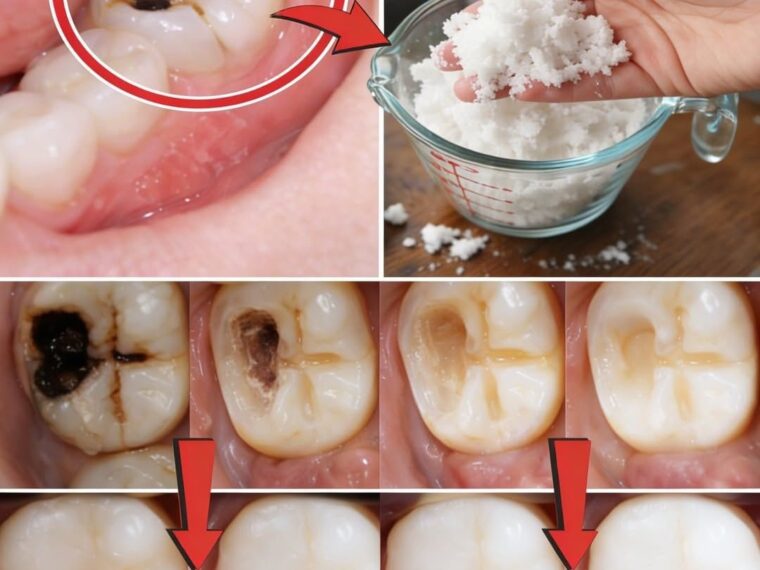
A healthy smile is about more than appearance—it’s an important part of your overall well-being. Good oral health allows you to eat comfortably, speak clearly, and smile with confidence. It also helps reduce the risk of cavities, gum disease, and tooth loss later in life.
The good news is that protecting your teeth doesn’t require expensive products or complicated routines. A few consistent daily habits can make a significant difference over time.
Here are seven science-backed habits that help keep your teeth and gums healthy.
1. Brush Your Teeth Properly—Twice a Day
Brushing is the foundation of good oral hygiene, but technique matters just as much as frequency.
Dentists generally recommend brushing:
- Twice each day
- For at least two minutes each time
- With a soft-bristled toothbrush
- Using fluoride toothpaste
Fluoride helps strengthen tooth enamel, making it more resistant to the acids produced by bacteria.
When brushing, don’t forget these important areas:
- Front surfaces of the teeth
- Back surfaces
- Chewing surfaces
- Along the gumline
- Behind the back molars
Many cavities begin in hard-to-reach areas, especially around the back teeth.
Avoid Brushing Too Hard
Many people believe that scrubbing harder cleans better.
In reality, brushing aggressively can:
- Wear down enamel
- Damage the gums
- Cause tooth sensitivity
Instead, use gentle circular motions and allow the toothbrush to do the work.
Replace Your Toothbrush Regularly
Toothbrush bristles gradually wear out.
Most dental professionals recommend replacing your toothbrush:
- Every three to four months
- Sooner if the bristles become frayed
- After recovering from certain illnesses
A worn toothbrush is less effective at removing plaque.
2. Floss Every Day
Even excellent brushing cannot clean every surface of your teeth.
Your toothbrush cannot fully reach the narrow spaces between teeth where plaque often accumulates.
Daily flossing helps remove:
- Food particles
- Plaque
- Bacteria
When flossing:
- Use a clean section of floss for each tooth.
- Slide gently beneath the gumline.
- Curve the floss around each tooth in a “C” shape.
- Avoid snapping the floss into the gums.
Regular flossing helps reduce the risk of cavities between teeth and supports healthy gums.
3. Consider Using Mouthwash
Mouthwash isn’t a replacement for brushing or flossing, but it can be a helpful addition to your oral hygiene routine.
Depending on the product, mouthwash may help:
Next page