
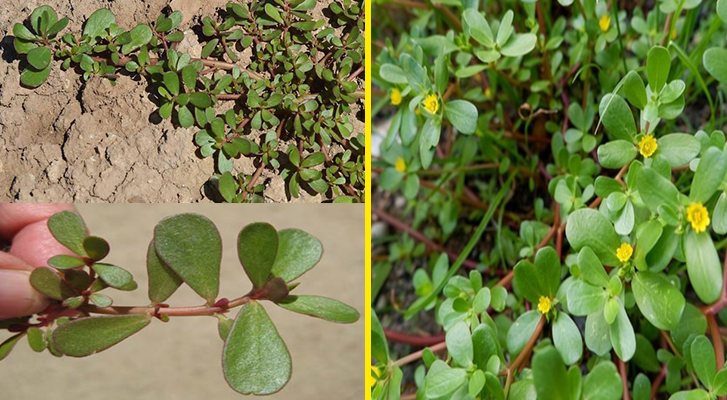
A healthy digestive system depends on a combination of fiber, hydration, and a varied diet rich in fruits and vegetables. Purslane contributes to all three.
Its dietary fiber helps support regular bowel movements and promotes healthy digestion by adding bulk to stool. Meanwhile, the plant’s high water content can also contribute to hydration, which plays an important role in maintaining normal digestive function.
Like many leafy greens, purslane also contains naturally occurring plant compounds that may help support a healthy gut environment as part of an overall balanced eating pattern.
Adding a handful of fresh purslane to salads, sandwiches, or smoothies is an easy way to increase your daily vegetable intake while giving your digestive system a little extra nutritional support.
May Help Support Healthy Blood Sugar Levels
Purslane has attracted growing scientific interest for its potential role in supporting healthy blood sugar management.
Some preliminary studies suggest that compounds found in purslane may help support normal glucose metabolism, although more high-quality human research is needed before firm conclusions can be drawn.
For people with diabetes or prediabetes, purslane should never replace prescribed medications or medical advice. However, including a variety of fiber-rich vegetables in meals is widely recommended as part of an overall healthy eating plan.
Its combination of fiber, antioxidants, vitamins, and minerals makes purslane a nutritious choice that fits well into many balanced diets.
Packed With Vitamins That Support the Immune System
Your immune system relies on a steady supply of nutrients to function normally.
Purslane naturally provides several vitamins involved in immune health, including:
- Vitamin A
- Vitamin C
- Vitamin E
Vitamin C contributes to the normal function of the immune system and also helps protect cells from oxidative stress.
Vitamin A supports healthy skin and mucous membranes, which serve as important physical barriers against germs.
Vitamin E acts as an antioxidant that helps protect cells from damage caused by free radicals.
While no single food can “boost” immunity overnight, regularly eating a wide variety of colorful vegetables—including purslane—helps provide the nutrients your immune system needs.
A Source of Important Minerals
Purslane isn’t just rich in vitamins—it also contains a variety of essential minerals that support normal body functions.
Among them are:
Magnesium
Magnesium contributes to normal muscle function, nerve function, and energy production. It also plays a role in hundreds of biochemical reactions throughout the body.
Potassium
Potassium helps maintain normal blood pressure and supports healthy muscle contractions, including those of the heart.
Calcium
Although dairy products remain the best-known source, leafy plants like purslane also contribute calcium, which is needed for healthy bones and teeth.
Iron
Iron helps transport oxygen throughout the body and supports normal energy metabolism.
While the iron found in plants is absorbed less efficiently than iron from meat, pairing purslane with foods rich in vitamin C can help improve absorption.
May Benefit Eye Health
The bright green leaves of purslane are rich in beta-carotene and vitamin A, two nutrients that help maintain normal vision.
Vitamin A plays an essential role in keeping the surface of the eye healthy and supporting vision in low-light conditions.
Like other leafy vegetables, purslane fits nicely into an eating pattern designed to support long-term eye health.
Supports Healthy Skin
Next page