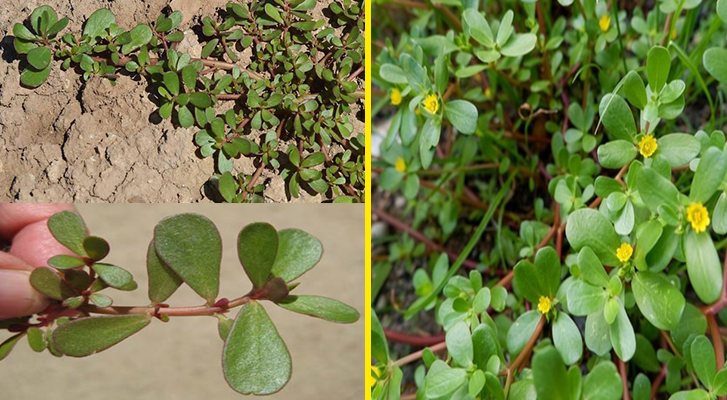
But recently, many people have started viewing it differently.
Instead of pulling it out and throwing it away, they’re harvesting it for the kitchen.
Purslane grows with very little effort, requires minimal watering, and often appears naturally without planting.
Because it tolerates heat and drought so well, it can be a valuable edible plant during the warmer months when some leafy greens struggle.
For anyone interested in sustainable gardening or growing more of their own food, purslane offers an impressive harvest with very little maintenance.
How to Eat Purslane
One of the best things about purslane is its versatility.
Its crisp texture and slightly tangy, lemon-like flavor work well in both raw and cooked dishes.
Here are a few easy ways to enjoy it:
- Toss fresh leaves into green salads.
- Blend it into smoothies.
- Add it to sandwiches or wraps.
- Stir it into soups near the end of cooking.
- Sauté it with garlic and olive oil.
- Mix it into scrambled eggs or omelets.
- Add it to grain bowls or rice dishes.
- Use it as a topping for tacos or flatbreads.
- Blend it into pesto with herbs and nuts.
- Pickle the stems for a crunchy side dish.
In Mediterranean and Middle Eastern cuisine, purslane is often combined with tomatoes, cucumbers, onions, lemon juice, olive oil, and fresh herbs for a refreshing summer salad.
Can You Eat It Raw?
Absolutely.
Many people actually prefer purslane raw because its leaves stay crisp and juicy.
The fresh stems provide a pleasant crunch, while the leaves have a mild flavor that pairs well with almost any salad.
Cooking softens the texture slightly and gives the plant a flavor somewhat similar to spinach or watercress.
Experimenting with both raw and cooked preparations is the best way to discover your favorite.
Harvesting Purslane Safely
If you decide to gather wild purslane, make sure you know exactly what you’re picking.
Several plants can resemble purslane, and not all of them are edible.
Only harvest plants you can confidently identify.
It’s also important to avoid collecting purslane from:
- Roadsides with heavy traffic
- Areas treated with pesticides or herbicides
- Industrial sites
- Contaminated soil
- Places where pets frequently relieve themselves
The safest option is to grow your own or purchase it from a reputable farmers market or specialty grocery store.
Always rinse the leaves thoroughly under clean running water before eating them.
Are There Any Downsides?
For most healthy people, purslane is perfectly safe to enjoy as part of a varied diet.
However, there are a few considerations.
Purslane contains relatively high levels of oxalates, naturally occurring compounds found in many leafy vegetables such as spinach, beet greens, and Swiss chard.
People who have been advised by their healthcare provider to follow a low-oxalate diet—such as some individuals with certain types of kidney stones—may need to limit their intake.
If you have kidney disease, recurrent kidney stones, or another medical condition that requires dietary restrictions, it’s a good idea to speak with your healthcare provider or a registered dietitian before making purslane a regular part of your diet.
As with any wild edible plant, proper identification is essential to avoid accidentally consuming a look-alike species.
Frequently Asked Questions
Is purslane really a weed?
Yes—and that’s part of what makes it so remarkable. Purslane is considered a weed in many regions because it grows readily without cultivation, but it’s also an edible vegetable enjoyed around the world.
Does purslane taste like spinach?
Not exactly. Its flavor is often described as mildly tangy, slightly lemony, and pleasantly crisp. When cooked, it becomes softer and somewhat similar to spinach.
Can you freeze purslane?
Yes. Blanching it briefly before freezing helps preserve its color and texture, although fresh purslane generally provides the best crunch for salads.
Is purslane safe for children?
When properly identified, washed, and prepared, purslane can be included as part of a healthy diet for most people. Introduce it just as you would any other new vegetable.
The Bottom Line
Purslane may be one of the most overlooked edible plants growing today, but its nutritional value is anything but ordinary.
Rich in omega-3 fatty acids, antioxidants, vitamins, minerals, fiber, and water, this resilient succulent offers an impressive range of nutrients while requiring very little effort to grow.
Although no single food is a cure-all, incorporating nutrient-dense vegetables like purslane into a balanced diet can help support overall health, heart wellness, digestive health, and healthy eating habits.
The next time you spot purslane growing in your garden, don’t be too quick to pull it out. What many people dismiss as a common weed may actually be one of nature’s most nutritious hidden treasures.