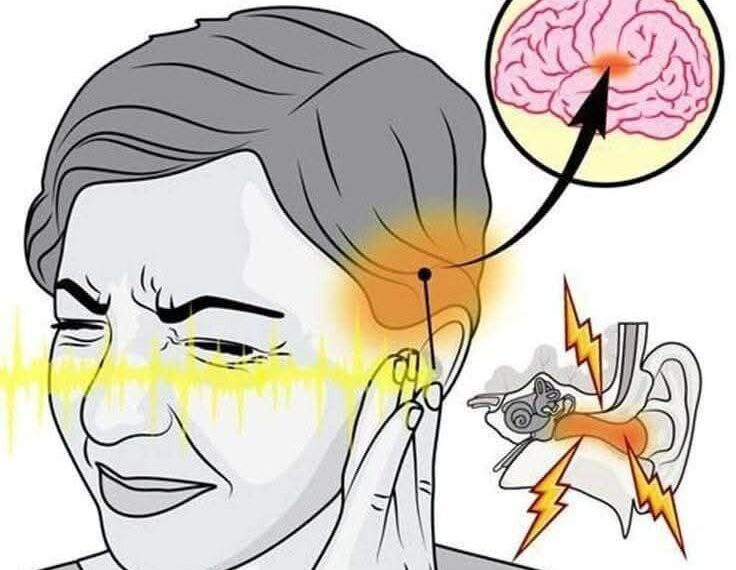


Hearing ringing, buzzing, humming, or whistling sounds in the ears when no external sound is present is commonly known as Tinnitus.
For some people, it appears briefly after a loud concert or stressful day. For others, it becomes persistent and emotionally exhausting.
Tinnitus itself is not usually a disease, but rather a symptom that may be linked to various underlying factors involving:
- Hearing
- Stress
- Circulation
- Nerve activity
- Lifestyle habits
- Ear health
Because the experience can vary greatly, understanding possible triggers is often important for finding relief.
What Does Tinnitus Sound Like?
People describe tinnitus in many different ways, including:
- Ringing
- Buzzing
- Hissing
- Clicking
- Roaring
- Pulsing
- Whistling
The sound may affect:
- One ear
- Both ears
- The entire head perception
It can be:
- Constant
- Intermittent
- Mild
- Severe
Some individuals notice it mainly at night when surroundings become quiet.
1. Loud Noise Exposure
One of the most common causes of Tinnitus is prolonged exposure to loud sound.
Examples include:
- Concerts
- Nightclubs
- Construction work
- Loud headphones
- Machinery
- Fireworks
Very loud noise can damage tiny sensory hair cells inside the inner ear.
These cells help convert sound vibrations into nerve signals for the brain. Once damaged, they may contribute to abnormal sound perception.
Temporary ringing after loud noise is common, but repeated exposure increases the risk of long-term hearing damage.
2. Stress and Anxiety
Emotional stress strongly influences tinnitus for many people.
Stress may:
- Increase nervous system sensitivity
- Heighten awareness of internal sounds
- Intensify muscle tension
- Affect sleep quality
Many people notice tinnitus becomes louder during:
- Anxiety
- Burnout
- Emotional overwhelm
- Sleep deprivation
This does not mean the sound is “imaginary.” Rather, stress can amplify how the brain processes sensory information.
The connection between emotional well-being and tinnitus is widely recognized medically.
3. Earwax Buildup
A surprisingly simple cause of ringing can be excessive earwax.
Earwax blockage may:
- Reduce hearing temporarily
- Create pressure changes
- Alter sound perception
In some cases, removing impacted earwax professionally improves symptoms significantly.
However, inserting cotton swabs deeply into the ear may worsen blockage or damage the ear canal.
4. Hearing Loss and Aging
Age-related hearing decline is another major contributor.
As hearing ability changes, the brain may compensate by increasing sensitivity to internal auditory signals, which can contribute to tinnitus perception.
This is why tinnitus becomes more common with aging.
5. Diet and Lifestyle Factors
Certain lifestyle habits may worsen symptoms in some individuals.
People commonly report increased tinnitus after:
- Excess caffeine
- Alcohol
- High salt intake
- Nicotine
- Poor sleep
Scientific evidence varies between individuals, but some people notice meaningful improvement when reducing personal triggers.
Foods Often Associated With Hearing Support
Next page