
Some specialists encourage balanced diets rich in:
- Magnesium
- Antioxidants
- Omega-3 fats
- Vitamins
Foods often discussed include:
- Leafy greens
- Nuts and seeds
- Fish
- Berries
- Whole grains
Good circulation and overall vascular health may indirectly support hearing health as well.
6. Medications and Medical Conditions
Certain medications may contribute to ringing in the ears, including:
- Some antibiotics
- High doses of aspirin
- Certain anti-inflammatory drugs
- Some chemotherapy medications
Medical conditions occasionally linked to tinnitus include:
- High blood pressure
- Jaw disorders
- Sinus issues
- Ear infections
- Circulatory disorders
Persistent tinnitus should therefore not automatically be dismissed.
7. Sleep Problems
Fatigue and poor sleep often make tinnitus feel worse.
This happens partly because:
- The brain becomes more sensitive under stress
- Quiet nighttime environments increase awareness of internal sounds
- Exhaustion reduces coping ability
Many people experience a frustrating cycle where:
- Tinnitus disrupts sleep
- Poor sleep intensifies tinnitus perception
Can Ear Therapy or Sound Therapy Help?
Some people benefit from approaches collectively called sound therapy.
This may include:
- White noise machines
- Gentle background sounds
- Nature sounds
- Hearing aids
- Relaxation audio
The goal is often not eliminating tinnitus completely, but reducing the brain’s focus on it.
Over time, some individuals experience habituation, meaning the brain learns to notice the sound less intensely.
Why Silence Sometimes Makes It Feel Louder
In very quiet environments, the brain becomes more aware of internal sensory input.
This is why tinnitus often feels:
- Stronger at night
- More noticeable in silent rooms
Soft ambient sound may help some individuals feel less focused on the ringing.
The Emotional Impact of Tinnitus
Persistent tinnitus can affect:
- Concentration
- Sleep
- Anxiety levels
- Mood
- Quality of life
Some people become emotionally distressed not only by the sound itself, but by the fear that it will never improve.
Supportive medical evaluation and coping strategies may help reduce this emotional burden significantly.
When to Seek Medical Attention
Medical evaluation is especially important if tinnitus:
- Appears suddenly
- Occurs in one ear only
- Is accompanied by dizziness
- Involves hearing loss
- Includes balance problems
- Pulses with heartbeat rhythm
Healthcare professionals may evaluate:
- Hearing function
- Ear health
- Neurological factors
- Circulation issues
Protecting Hearing Health
Helpful prevention habits include:
- Lowering headphone volume
- Using hearing protection at loud events
- Managing stress
- Sleeping adequately
- Avoiding repeated loud noise exposure
Hearing damage often accumulates gradually over time.
The Brain’s Role in Tinnitus
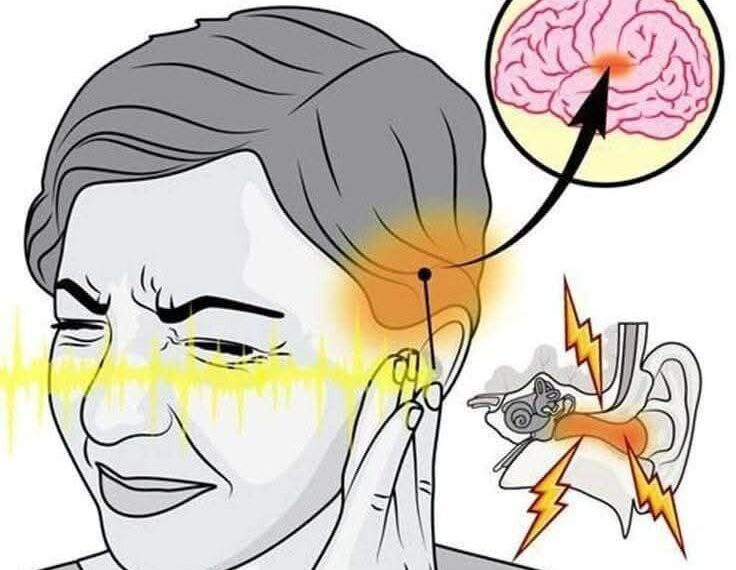
Modern research increasingly shows tinnitus involves not only the ears, but also how the brain processes sound signals.
The brain may continue generating sound perception even when external sound is absent.
This explains why emotional state, attention, and stress can influence symptom intensity so strongly.
Final Thoughts
Tinnitus is surprisingly common and can result from many different factors ranging from loud noise exposure and stress to earwax buildup, hearing changes, or lifestyle habits.
Although occasional ringing is often harmless, persistent symptoms deserve attention rather than silent suffering.
Listening to the body carefully — and protecting hearing health early — can sometimes make a meaningful difference long before symptoms become overwhelming.