
Magnesium is often described as the “anti-fatigue mineral” and a natural ally for the nervous system and muscles. And for good reason: it plays a vital role in the body, participating in more than 300 enzymatic reactions, helping produce energy, supporting normal muscle and nerve function, and contributing to healthy bones.
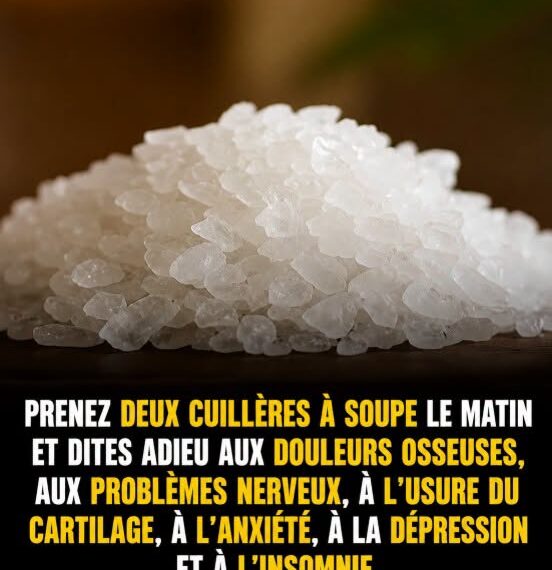
However, it’s important to be cautious about claims circulating on social media. You may have seen posts suggesting that taking a few spoonfuls of a magnesium product every morning can eliminate bone pain, anxiety, depression, insomnia, cartilage wear, and nerve problems.
The reality is much more complex.
Magnesium is undeniably essential for good health, but it is not a miracle cure, and supplements should only be taken according to recommended dosages and professional advice.
What Is Magnesium?
Magnesium is an essential mineral, meaning that our bodies need it but cannot produce enough on their own.
Most of the body’s magnesium is stored in:
- Bones
- Muscles
- Soft tissues
It is involved in numerous biological processes, including:
- Energy production
- Muscle function
- Nerve transmission
- Protein synthesis
- Blood sugar regulation
- Electrolyte balance
- Bone maintenance
- Interactions with calcium and potassium
In other words, magnesium helps support many of the body’s most important systems.
Magnesium and the Nervous System
Magnesium plays an important role in maintaining normal nervous system function.
When magnesium intake is too low for an extended period, deficiency may contribute to symptoms such as:
- Fatigue
- Weakness
- Loss of appetite
- Nausea
In more severe cases:
- Muscle cramps
- Tingling sensations
- Irregular heart rhythms
- Seizures
Because of magnesium’s involvement in nerve function, it is often associated with relaxation and emotional well-being.
However, an important distinction must be made:
✅ Having adequate magnesium levels is essential for normal nervous system function.
❌ This does not mean that magnesium supplements are a guaranteed treatment for anxiety, depression, or other mental health conditions.
Magnesium and Muscle Health
Muscles rely on magnesium to help generate and use energy efficiently.
This mineral supports the processes involved in muscle contraction and relaxation.
A significant deficiency may lead to:
- Muscle cramps
- Muscle weakness
- Tremors
- Fatigue
That said, regular muscle cramps do not automatically indicate a magnesium deficiency. Many factors can contribute, including dehydration, physical activity, and other health conditions.
Magnesium and Bone Health
When people think about healthy bones, calcium usually gets most of the attention. However, magnesium is also important.
Approximately 50 to 60 percent of the body’s magnesium is stored in bones.
Magnesium contributes to:
- Bone structure
- Mineral balance
- Normal bone metabolism
Some studies suggest that higher dietary magnesium intake may be associated with better bone density.
However, magnesium alone is not enough to prevent or treat osteoporosis.
Strong bones depend on several factors, including:
- Calcium
- Vitamin D
- Protein
- Physical activity
- Overall nutrition
Magnesium and Heart Health
Magnesium helps regulate many cellular functions and contributes to electrolyte balance.
Severe magnesium deficiency can affect cardiovascular function and may contribute to abnormal heart rhythms.
Some research suggests that adequate magnesium intake may be associated with better cardiovascular health.
However:
❌ Magnesium is not a miracle treatment for heart disease or high blood pressure.
It should be viewed as part of an overall healthy lifestyle rather than a standalone solution.
Magnesium and Sleep: What Does Science Really Say?
Sleep is one of the most popular topics discussed in relation to magnesium.
Many online posts claim that magnesium:
- Helps you sleep deeply
- Eliminates insomnia
- “Calms the brain”
The scientific evidence is more cautious.
Some studies have found potentially promising results, but current research remains limited and sometimes inconsistent.
A more accurate statement would be:
✅ Magnesium supports normal nervous system function and may contribute to overall well-being.
❌ Magnesium supplements are not guaranteed cures for insomnia.
Magnesium and Blood Sugar Metabolism
Magnesium also plays a role in glucose metabolism.
It helps the body process and utilize carbohydrates more effectively and contributes to normal insulin function.
Researchers continue to study the relationship between magnesium intake and metabolic health, but magnesium should not be viewed as a replacement for medical treatment or healthy lifestyle habits.
Best Dietary Sources of Magnesium
Fortunately, magnesium is found in many nutritious foods:
Nuts and Seeds
- Almonds
- Cashews
- Pumpkin seeds
- Sunflower seeds
Vegetables
- Spinach
- Swiss chard
- Kale
Whole Grains
- Brown rice
- Oats
- Whole wheat products
Legumes
- Lentils
- Chickpeas
- Black beans
Other Sources
- Avocados
- Bananas
- Dark chocolate
- Mineral water rich in magnesium
A balanced diet can often provide sufficient magnesium without the need for supplements.
Can You Take Too Much Magnesium?
Yes.
Excessive supplementation can cause:
- Diarrhea
- Nausea
- Abdominal cramps
In rare cases and at very high doses:
- Low blood pressure
- Heart rhythm disturbances
- Serious health complications
This is why it is important to follow recommended dosages and seek professional advice when considering supplements.
The Bottom Line
✅ Magnesium is an essential mineral involved in hundreds of biological processes.
✅ It supports muscles, nerves, bones, energy production, and overall health.
✅ A deficiency can cause important symptoms and should be addressed appropriately.
✅ Foods rich in magnesium are usually the best source.
✅ Magnesium is valuable, but it is not a miracle cure for anxiety, depression, insomnia, bone pain, or heart disease.
What About You?
💚 Option 1: I already pay attention to my magnesium intake.
💚 Option 2: I didn’t realize magnesium was involved in so many functions.
💚 Option 3: I’m going to add more magnesium-rich foods to my diet.
Share your thoughts and tell us your favorite magnesium-rich food! 🌿✨🥜