
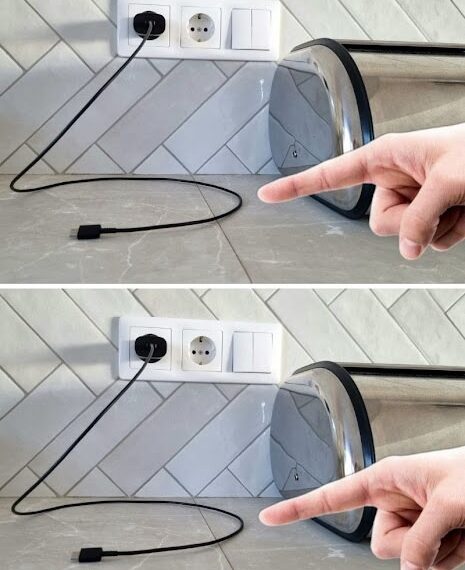
It’s one of the most common modern habits: you unplug your phone, tablet, or laptop — but the charger stays in the wall.
It feels harmless. After all, nothing is connected. No sparks, no noise, no visible danger.
And for the most part, today’s chargers are designed to be safe.
But “mostly safe” doesn’t mean “zero impact.”
Leaving chargers plugged in 24/7 can have small electrical, financial, and safety consequences that add up over time. Let’s break down what actually happens — and when it matters.
🔌 1. Phantom Energy Drain (Yes, It’s Real)
Even when not charging a device, most chargers still draw a tiny amount of electricity.
This is known as:
- Phantom load
- Vampire power
- Standby energy
How Much Energy Are We Talking About?
Typically:
- 0.1 to 0.5 watts per charger
That sounds insignificant — and individually, it is.
But consider this:
- 5–10 chargers per household
- Running 24 hours a day
- 365 days a year
That can add up to:
- $5–$15 annually per home
- Increased overall grid demand nationwide
Individually small.
Collectively significant.
✅ Easy Fix:
- Unplug chargers when not in use
- Or use a power strip with an on/off switch
- Or use smart plugs that cut standby power automatically
🔥 2. Heat Buildup & Component Wear
Even when idle, chargers contain:
- Capacitors
- Transformers
- Voltage regulators
These components can retain a small electrical load and generate slight warmth.
In most cases, it’s minimal.
But problems can arise if the charger is:
- Behind furniture
- Under bedding
- Covered by rugs
- In direct sunlight
- Near radiators or heaters
Over time, continuous exposure to heat can:
- Dry out internal components
- Reduce lifespan
- Increase the chance of failure
A charger designed to last 5+ years might fail in 2–3 if constantly energized in poor conditions.
⚠️ 3. Rare — But Real — Fire Risk
Modern certified chargers (UL, CE, FCC, etc.) include:
- Overcurrent protection
- Temperature regulation
- Short-circuit prevention
So fire risk is low.
But it increases significantly with:
- Cheap, uncertified chargers
- Counterfeit brand-name chargers
- Frayed or damaged cords
- Loose wall outlets
- Power surges
A low-quality charger left plugged in continuously has more exposure time — and therefore slightly higher risk.
While rare, electrical fires linked to faulty chargers do occur.
🚨 Warning Signs:
- Charger feels unusually hot
- Buzzing sound
- Discoloration
- Cracked casing
- Burning smell
If you notice any of these — replace immediately.
⚡ 4. Power Surge Vulnerability
Even when not actively charging a device, a plugged-in charger is still connected to your home’s electrical system.
During:
- Lightning storms
- Grid fluctuations
- Sudden power surges
The charger can be damaged.
And if a device is connected during a surge, it may damage both the charger and the device.
Using surge-protected power strips reduces this risk.
💰 5. Does It Really Impact Your Electric Bill?
Let’s be realistic.
For one charger?
The cost is minimal — likely less than $1 per year.
But in homes filled with:
- Phone chargers
- Tablet chargers
- Laptop bricks
- Smartwatch docks
- Wireless charging pads
- Gaming console adapters
The cumulative standby draw becomes measurable.
It won’t double your bill.
But it’s unnecessary consumption.
Energy efficiency experts recommend eliminating phantom loads where possible.
🏠 6. When It’s Usually Safe to Leave It Plugged In
If your charger is:
- Certified by a reputable brand
- In good condition
- Plugged into a secure outlet
- In a well-ventilated area
- Not warm to the touch
The risk is very low.
Modern chargers are designed to automatically reduce power draw when idle.
For convenience, many households choose to leave them plugged in — and that’s generally fine.
But there’s a difference between safe and optimal.
🔍 7. The Bigger Environmental Picture
Individually, one charger seems trivial.
But globally?
Millions of homes × multiple idle chargers = continuous wasted energy.
Reducing phantom loads helps:
- Lower energy demand
- Reduce fossil fuel usage
- Decrease carbon emissions
- Improve grid efficiency
It’s a small habit change with scalable environmental impact.
🧠 8. Psychological Habit Loop
Interestingly, leaving chargers plugged in is often about convenience and habit, not necessity.
It’s easier to:
- Grab and plug in
- Avoid reaching behind furniture
- Keep a consistent charging spot
But creating a simple routine — unplug before bed, switch off power strip — can become automatic within days.
🧯 9. Higher-Risk Situations
You should always unplug chargers if:
- You’re going on vacation
- The outlet feels loose
- The charger is older than 5–7 years
- It’s a no-name, low-cost brand
- You’ve experienced recent electrical storms
Vacant homes with continuously powered electronics face slightly elevated fire risk.
Unplugging unused devices is one of the simplest preventative safety measures.
🛠 10. Better Alternatives
If constant unplugging feels inconvenient, consider:
Smart Power Strips
Automatically cut power to idle devices.
Wall Switch Outlets
Some outlets allow manual shutoff.
Timers
Turn off power overnight.
Wireless Charging Stations
Certified multi-device stations reduce the number of individual chargers plugged in.
📊 So… Should You Unplug?
Here’s the balanced answer:
If you’re using high-quality, certified chargers:
- It’s generally safe to leave them plugged in.
- The energy drain is small but real.
- The fire risk is low but not zero.
If the charger is cheap, damaged, or poorly ventilated:
- Unplug it.
- Replace it.
- Don’t take the risk.
✅ Best Practice Summary
Unplug chargers when:
- Not in use for extended periods
- Leaving home for days
- During electrical storms
- They feel warm or damaged
Keep them plugged in only if:
- They’re high-quality
- In good condition
- In safe, ventilated areas
🔎 Final Thoughts
Leaving your charger plugged in isn’t a major danger — but it’s not entirely consequence-free either.
It draws small amounts of electricity.
It slowly ages internal components.
It carries minimal but real risk over time.
The smartest approach?
Be intentional.
Unplug when practical.
Use surge protection.
Avoid cheap knockoffs.
Replace worn-out chargers.
Small habits may seem insignificant — but over time, they shape both safety and sustainability in your home.
And sometimes, the simplest changes are the smartest ones.