
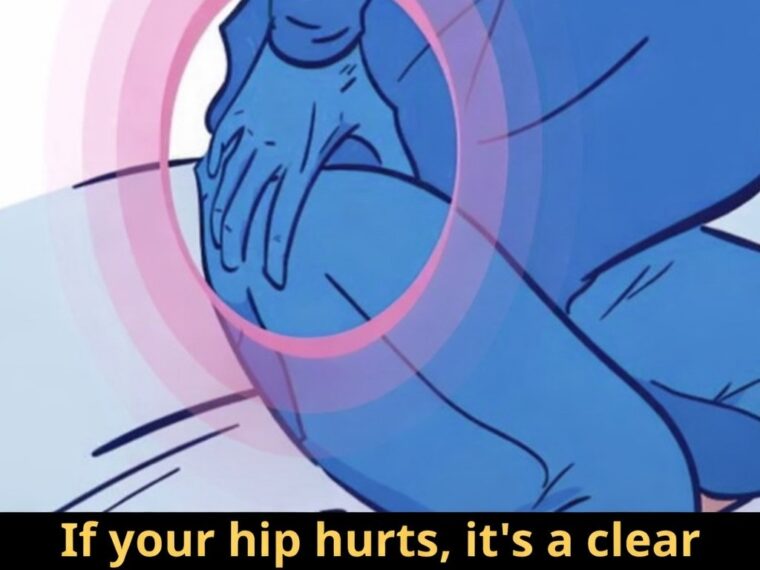
Hip pain is often dismissed as “just getting older” or simple soreness after activity. But persistent, sharp, or worsening hip pain—especially if it limits your movement—is usually your body’s way of signaling that something needs attention.
The hip is one of the largest and most complex joints in the body. It supports your weight, stabilizes your posture, and allows walking, bending, and rotation. Because it involves bone, cartilage, muscles, tendons, ligaments, and nerves, pain can originate in the joint itself—or be referred from nearby areas like the lower back or knees.
Ignoring ongoing hip pain can lead to worsening damage, reduced mobility, and decreased quality of life. Let’s explore the most common causes and when you should take action.
🔍 Common Causes of Hip Pain
1. Osteoarthritis
What it feels like:
- Deep ache in the groin or front of the hip
- Morning stiffness
- Grinding or clicking sensation
- Pain that worsens with walking, standing, or climbing stairs
Why it happens:
Cartilage that cushions the joint gradually wears down, leading to bone-on-bone friction.
Who’s at risk:
Most common in adults over 50, but can occur earlier after injury or due to genetics.
Osteoarthritis typically develops slowly, and early treatment can significantly reduce discomfort and improve function.
2. Bursitis (Trochanteric Bursitis)
What it feels like:
- Sharp or burning pain on the outside of the hip
- Tenderness when pressing on the hip
- Pain when lying on that side
- Discomfort climbing stairs
Why it happens:
Inflammation of small fluid-filled sacs (bursae) that reduce friction between tissues.
Common triggers:
- Repetitive movement
- Prolonged standing
- Sudden increase in exercise
- Direct impact to the hip
Bursitis often responds well to rest, ice, anti-inflammatory strategies, and physical therapy.
3. Tendinitis or Muscle Strain
What it feels like:
- Aching or pulling sensation
- Pain during movement
- Tenderness in the front or side of the hip
Why it happens:
Overuse or sudden strain causes inflammation in tendons or small muscle tears.
Athletes and active individuals are especially prone, particularly runners or those who increase intensity too quickly.
With proper rest and gradual return to activity, most strains heal within weeks.
4. Labral Tear
What it feels like:
- Clicking, locking, or catching in the hip
- Deep groin pain
- Instability sensation
Why it happens:
The labrum is a ring of cartilage that stabilizes the hip socket. Tears can result from repetitive twisting, trauma, or structural abnormalities.
This condition often requires imaging and sometimes surgical intervention if conservative treatments fail.
5. Sciatica or Referred Back Pain
Not all hip pain starts in the hip.
What it feels like:
- Pain radiating down the leg
- Tingling or numbness
- Lower back discomfort accompanying hip pain
Compressed nerves in the lower spine can send pain signals into the hip and buttock area.
Treating the spine often resolves the hip symptoms.
6. Hip Fracture
What it feels like:
- Sudden severe pain
- Inability to bear weight
- Leg appearing shortened or rotated outward
This is more common in older adults, particularly those with osteoporosis. It requires immediate medical attention.
7. Hip Impingement (FAI – Femoroacetabular Impingement)
What it feels like:
- Sharp pain during deep bending or squatting
- Reduced range of motion
- Clicking sensation
Occurs when extra bone growth causes abnormal contact between the ball and socket.
Often seen in younger, active individuals.
⚠️ When Hip Pain Is a Warning Sign
Seek medical attention if you experience:
- Pain lasting more than a few weeks
- Increasing intensity
- Difficulty walking or standing
- Swelling or redness
- Fever accompanying joint pain
- Night pain that wakes you
Early diagnosis can prevent long-term damage.
🧠 Why Ignoring Hip Pain Is Risky
Chronic hip pain can lead to:
- Altered walking patterns
- Knee strain
- Lower back pain
- Reduced mobility
- Muscle weakness
- Increased fall risk
The body compensates when one joint hurts, often creating secondary problems.
🏃 What You Can Do Early
For mild to moderate discomfort:
1. Modify Activity
Avoid high-impact exercises like running. Switch to low-impact options such as swimming or cycling.
2. Apply Ice or Heat
- Ice reduces inflammation (first 48 hours).
- Heat relaxes tight muscles afterward.
3. Strengthen Supporting Muscles
Focus on:
- Gluteal muscles
- Core
- Hip stabilizers
Strong muscles reduce joint strain.
4. Improve Flexibility
Gentle stretching improves mobility and reduces stiffness.
5. Maintain Healthy Weight
Extra body weight increases stress on the hip joint.
🛌 The Role of Sleep Position
Sleeping on a painful hip can worsen inflammation.
Try:
- Sleeping on your back
- Placing a pillow between knees if side-sleeping
- Using a supportive mattress
Small changes in positioning can significantly reduce morning stiffness.
🥗 Nutrition and Joint Health
Certain nutrients support joint integrity:
- Omega-3 fatty acids
- Vitamin D
- Calcium
- Collagen-supporting proteins
While not cures, proper nutrition supports overall joint health.
🩺 Diagnosis and Treatment Options
A healthcare provider may recommend:
- Physical therapy
- Anti-inflammatory medications
- Corticosteroid injections
- Imaging (X-ray or MRI)
- In severe cases, surgical options like hip replacement
Modern hip replacement surgeries have high success rates and restore mobility for many patients with advanced joint degeneration.
🌿 Prevention Tips
To reduce future hip issues:
- Warm up before exercise
- Strengthen glutes and core
- Avoid prolonged sitting
- Maintain flexibility
- Wear supportive footwear
- Address back pain early
Prevention is far easier than correcting long-term damage.
✨ Final Thoughts
Hip pain is not something you should automatically accept as normal aging. It’s often a sign that your body is asking for attention.
Occasional soreness may be harmless—but persistent, sharp, or worsening pain deserves evaluation.
The earlier you address it:
- The easier it is to treat
- The less damage occurs
- The better your long-term mobility
Your hips carry you through life—literally. Listening to their signals today can protect your independence and comfort for years to come.