
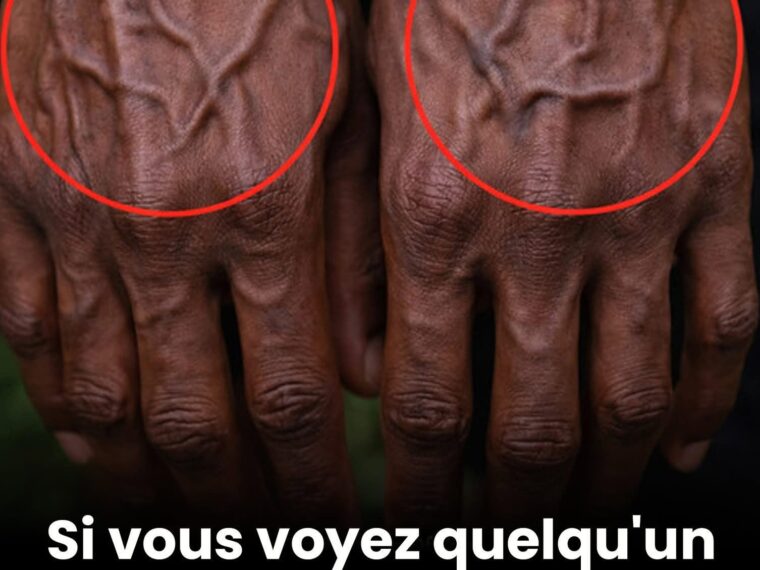
At first glance, visible veins may seem like nothing more than a physical feature. Some people notice them immediately, while others barely pay attention. Yet for many individuals, those blue, green, or purple lines beneath the skin often spark curiosity and questions.
Why are some veins more noticeable than others? Does it mean you’re healthier? Is it related to age, genetics, fitness, or even your skin tone?
Visible veins are often misunderstood. Some people see them as a cosmetic concern, while others consider them a sign of strength, athleticism, or good circulation. The truth is that the appearance of veins can reveal a fascinating combination of biological, genetic, and lifestyle factors.
So, if your veins are visible, what does it really mean?
Your Skin May Simply Be Thinner
One of the most common reasons veins are easy to see is thin skin.
The skin acts as a natural barrier covering the structures beneath it. When that layer is thinner, veins become more visible. This is especially common on the hands, wrists, feet, and arms.
People with naturally delicate skin often notice that their veins stand out more clearly than those of other individuals. This is not necessarily a sign of a medical condition. In many cases, it is simply part of how the body is built.
As people get older, the skin naturally loses collagen and elasticity. Over time, this thinning process can make veins appear more prominent, even in people who never noticed them before.
Body Fat Plays a Major Role
The amount of body fat a person carries can significantly influence vein visibility.
A layer of fat sits between the skin and the muscles. When this layer is thinner, veins have less tissue covering them and become more noticeable.
This is one reason athletes, bodybuilders, and highly active individuals often display prominent veins, especially during exercise or periods of lower body fat percentages.
Visible veins do not automatically mean someone is stronger or healthier than others. However, lower levels of body fat can contribute to the appearance of a more defined vascular system.
Genetics May Be the Biggest Factor
Sometimes the answer is surprisingly simple: genetics.
Just as people inherit eye color, hair texture, and facial features, they can also inherit the tendency to have more visible veins.
If your parents or grandparents have prominent veins in their hands, arms, or legs, there is a good chance that you may share the same characteristic.
Genetics influences numerous aspects of the body’s appearance, including skin thickness, fat distribution, and vein placement. For many people, visible veins are simply a family trait that has been passed down through generations.
Exercise Can Make Veins Stand Out More
Have you ever noticed your veins becoming more prominent after a workout?
This happens because physical activity increases blood flow throughout the body. As muscles expand and require more oxygen, veins often enlarge temporarily to accommodate the increased circulation.
Weightlifters and endurance athletes frequently experience this effect. During and immediately after exercise, veins may appear larger, darker, and more defined than usual.
In most cases, this is a completely normal response to increased physical activity.
Skin Tone Influences Visibility
Skin tone can also affect how easily veins are seen.
People with lighter skin often notice veins more clearly because there is less pigmentation covering the vascular structures beneath the surface.
However, visible veins can occur in all skin tones. The difference is simply that contrast may be more or less noticeable depending on individual complexion and skin characteristics.
This is one reason why two people with similar vein structures can appear very different when looking at their hands or arms.
Temperature Can Change Their Appearance
Have you ever noticed your veins becoming more visible during hot weather?
Heat causes blood vessels to expand, a process known as vasodilation. As blood vessels widen, veins move closer to the surface and become easier to see.
Conversely, cold temperatures may cause veins to appear less prominent because blood vessels constrict.
This natural response helps regulate body temperature and explains why vein visibility can fluctuate throughout the day.
Hydration Matters More Than You Think
Hydration levels may also influence how noticeable veins appear.
When the body is properly hydrated, blood circulates efficiently throughout the vascular system. During physical activity, good hydration can contribute to more visible veins, particularly in active individuals.
Although hydration is only one factor among many, maintaining healthy fluid levels supports normal circulation and overall well-being.
Pregnancy Can Increase Vein Visibility
Many women notice more visible veins during pregnancy.
As blood volume increases to support the developing baby, the circulatory system works harder than usual. This increased blood flow can make veins appear larger and more noticeable, particularly on the chest, abdomen, hands, and legs.
Hormonal changes can also contribute to this process. In most cases, these changes are a normal part of pregnancy and often improve after childbirth.
When Visible Veins Are Completely Normal
For the majority of people, visible veins are simply a natural characteristic.
They may reflect:
- Genetics
- Age
- Skin thickness
- Body composition
- Physical activity levels
- Temperature changes
- Natural variations in circulation
In many cases, prominent veins are nothing more than a unique feature that makes an individual look different from others.
In fact, many people consider them an attractive or distinctive trait.
When Should You Pay Attention?
Although visible veins are usually harmless, sudden changes deserve attention.
If vein appearance is accompanied by symptoms such as:
- Pain
- Swelling
- Redness
- Warmth
- Significant discomfort
- Unusual bulging
it may be wise to consult a healthcare professional for proper evaluation.
Most visible veins are completely normal, but dramatic or unexpected changes should never be ignored.
A Feature, Not a Flaw
For years, many people viewed visible veins as an imperfection that should be hidden. Today, perspectives are changing.
What some once considered a flaw is often recognized as a natural aspect of human diversity. Visible veins tell a story shaped by genetics, lifestyle, age, and the unique characteristics that make every person different.
The next time you notice those blue lines beneath your skin, remember that they are a vital part of an extraordinary network working around the clock to keep your body functioning.
They carry oxygen, nutrients, and life itself through thousands of miles of blood vessels every single day.
So if your veins are visible, it may not mean anything unusual at all.
It could simply mean that your body is expressing its individuality in a way that is entirely natural.
What About You?
Take a look at your hands and arms right now.
Are your veins clearly visible?
🔵 YES – They have always been noticeable.
🟢 SOMETIMES – They appear more during exercise or warm weather.
🟣 NO – They are usually hidden beneath your skin.
Share your answer and compare it with friends and family. You may be surprised by how many different factors influence something as simple as visible veins!