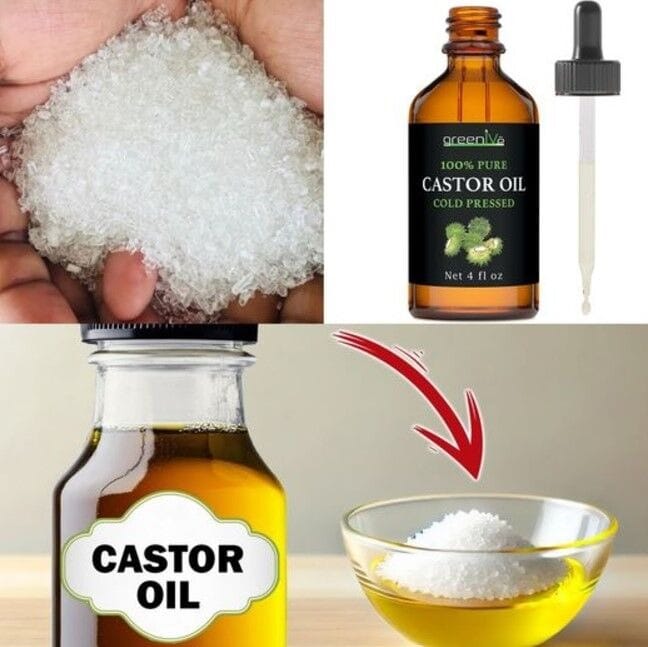
- Baking soda: A mild abrasive that helps remove surface stains and tartar.
- Hydrogen peroxide: Acts as a gentle whitening agent and reduces bacteria.
- Coconut oil (optional): Adds antibacterial properties and soothes gums.
Tip: Use this paste 1–2 times per week. Overuse can weaken enamel.
Additional Natural Remedies
- Oil Pulling
- Swish a tablespoon of coconut, sesame, or sunflower oil in your mouth for 10–15 minutes.
- Helps reduce bacteria and plaque accumulation, preventing tartar formation.
- Apple Cider Vinegar (ACV)
- Dilute ACV with water and rinse your mouth briefly.
- Its mild acidity helps break down tartar over time. Do not use undiluted, as it can erode enamel.
- Orange or Lemon Peel
- Rubbing the inside of a citrus peel on teeth may help remove surface stains.
- Rich in vitamin C, it also strengthens gums.
- Activated Charcoal
- Brushing occasionally with food-grade activated charcoal may remove stains and whiten teeth naturally.
- Use sparingly to avoid abrasive damage.
Preventing Future Tartar Buildup
Once you’ve reduced tartar, maintaining a consistent preventive routine is key:
- Brush twice a day and floss daily.
- Limit sugary, salty, and acidic foods.
- Drink plenty of water to wash away food particles.
- Regularly visit the dentist for professional cleanings, even if home remedies are used.
When to See a Dentist
While natural remedies are helpful, severe tartar buildup, gum inflammation, or persistent staining should be evaluated professionally. Dentists can:
- Remove tartar safely with scaling tools.
- Treat periodontal issues early.
- Recommend professional whitening for stubborn stains.
The Takeaway
Tartar and teeth discoloration don’t have to be permanent. With daily care, natural remedies, and preventive habits, you can maintain clean, bright teeth without costly procedures.
Remember: patience and consistency are key. Over time, these simple practices can not only remove tartar but also help strengthen gums, reduce bad breath, and restore your confident smile.
Pages: 1 2