
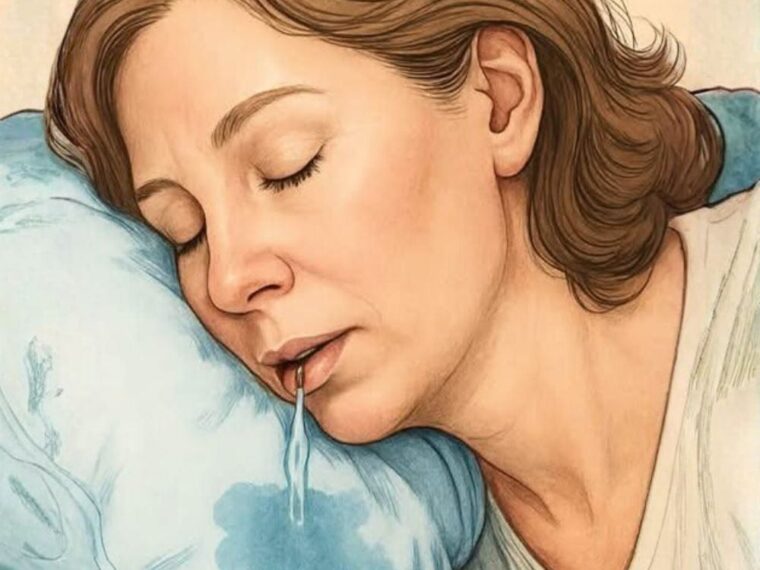
Waking up to a wet pillow is an experience that most people have had at least once. While it can feel embarrassing or uncomfortable, it is more common than many realize. In most cases, pillow drooling—or sialorrhea in medical terms—is perfectly normal and harmless. However, persistent or excessive drooling can sometimes indicate an underlying health issue, ranging from sleep habits to more serious medical conditions. Understanding why it happens and what you can do about it is key to addressing both the physical discomfort and the self-consciousness that can come with it.
Why Saliva Ends Up on Your Pillow
Saliva serves a critical function in the body. It aids in digestion, keeps the mouth moist, protects teeth from decay, and contains antibodies to fight bacteria. Normally, saliva is swallowed automatically throughout the day and night, keeping the mouth relatively dry. But during sleep, certain factors can cause saliva to pool or escape, leaving that unmistakable wet mark on your pillow.
1. Sleeping Position
Your sleeping position plays a huge role in whether or not you drool during the night:
- Side or stomach sleepers: Gravity can work against you. Saliva naturally pools near the mouth, and with the head turned sideways, it may escape onto the pillow. Side-sleeping is generally considered healthy for spinal alignment, but it may increase the likelihood of pillow drool.
- Back sleepers: This position allows saliva to remain in the mouth more easily, as the body can swallow naturally during sleep. However, mouth breathing due to congestion or other factors can still cause drooling.
Sometimes, simply adjusting your sleeping position slightly—like using a wedge pillow or raising the head of the bed—can help reduce the frequency of drooling.
2. Deep Sleep and Muscle Relaxation
During REM (rapid eye movement) sleep, your body enters a state of deep relaxation. Muscles throughout the body—including those in the face, mouth, and throat—loosen significantly. This natural relaxation can cause the mouth to fall open, allowing saliva to escape.
Interestingly, drooling may actually be a sign of restorative sleep. Deep sleep is essential for memory consolidation, cellular repair, and hormone regulation. Therefore, a small amount of drooling can be viewed as an indicator that your body is in a deeply restorative state, even if it leaves your pillow damp in the morning.
3. Nasal Congestion and Mouth Breathing
Blocked nasal passages are another common reason for pillow drool. Conditions such as:
- Allergies
- Sinus infections
- A deviated septum
- Common colds
…can all force you to breathe through your mouth while sleeping. Mouth breathing tends to dry out the throat and mouth during the night, making saliva more likely to accumulate near the lips and spill onto the pillow.
Using nasal sprays, allergy medications, or even a humidifier in the bedroom can help reduce nighttime mouth breathing. For those with chronic congestion, consulting an ENT specialist may be necessary.
When Drooling Might Signal a Health Issue
While occasional drooling is normal, frequent or severe pillow wetting could point to a medical concern. Here are some conditions that may contribute:
1. Sleep Apnea
Sleep apnea is a disorder in which breathing repeatedly stops and starts during sleep. This can cause:
- Mouth breathing
- Loud snoring
- Nighttime gasping
- Pillow drool
Drooling occurs because the jaw and throat muscles relax excessively during episodes of interrupted breathing. Untreated sleep apnea can increase the risk of high blood pressure, heart disease, and daytime fatigue, making it important to consult a sleep specialist if drooling is accompanied by other symptoms.
2. Gastroesophageal Reflux (GERD)
Next page