As more gardeners embrace organic and sustainable methods, the demand for natural, safe, and effective gardening solutions has never been higher. Among these, hydrogen peroxide has quietly earned a reputation as a versatile and eco-friendly gardening aid. Most commonly recognized as a household antiseptic for treating minor wounds, this simple chemical compound—H₂O₂—holds surprising benefits for plant health and garden care.
Let’s dive deep into why hydrogen peroxide is becoming a staple in garden toolkits around the world, how it works, and practical ways you can use it to boost your garden’s vitality.
What Is Hydrogen Peroxide?
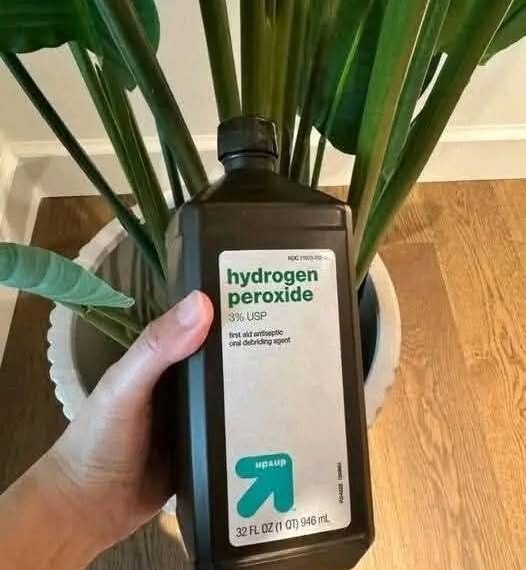
Hydrogen peroxide is a chemical compound made up of two hydrogen atoms and two oxygen atoms. In its common household form, it’s usually found as a 3% solution diluted with water. It’s a powerful oxidizer, meaning it releases oxygen when it breaks down. This oxygen release is the secret behind many of its beneficial effects in gardening.
Unlike synthetic chemicals and pesticides, hydrogen peroxide breaks down into water and oxygen, making it a natural, non-toxic, and environmentally friendly option for gardeners who want to avoid harsh chemicals.
1. Disease and Pest Control
One of the most celebrated uses of hydrogen peroxide in gardening is its ability to fight off diseases and pests naturally.
Fungal and Bacterial Control
Plants are vulnerable to a variety of fungal infections such as powdery mildew, blight, and root rot. These diseases can severely damage or kill your plants if left unchecked. Hydrogen peroxide has potent antifungal and antibacterial properties that help to kill the pathogens responsible for these infections.
- Powdery Mildew and Blight: A diluted spray (typically 3% hydrogen peroxide mixed with water in a 1:10 ratio) can be applied directly to the affected leaves and stems. The bubbling action you might notice upon application is the oxygen being released, which helps kill fungi on contact.
- Root Rot: Often caused by overwatering and poor soil drainage, root rot can be particularly devastating. When diluted hydrogen peroxide is added to irrigation water, it introduces extra oxygen to the root zone, which helps eliminate the anaerobic bacteria causing the rot.
Pest Control
Hydrogen peroxide can also deter certain pests. Its oxidative effect is harmful to soft-bodied pests like aphids and spider mites when sprayed on contact, without harming the plant.
Because it’s non-toxic, hydrogen peroxide is safe to use around beneficial insects like bees and ladybugs when applied properly.
2. Boosting Plant Growth and Soil Health
Many gardeners have reported that hydrogen peroxide applications contribute to stronger, healthier plants—and there’s good science behind this.
Oxygen for Roots
Healthy roots need oxygen to thrive. Poor soil aeration leads to anaerobic conditions, where roots suffocate and plants weaken.
- Hydrogen peroxide breaks down to release oxygen, improving the air content in the soil. This supports root respiration and stimulates root development, resulting in a more robust root system.
- Oxygenated soil helps roots absorb nutrients more effectively. When nutrients are readily available, plants grow with greater vigor and resilience.
Aerating the Soil
In compacted or waterlogged soils, hydrogen peroxide can help loosen and aerate the ground. This reduces harmful bacteria buildup and promotes beneficial microorganisms that support plant health.
3. Sanitizing Garden Tools and Containers
Next page for the rest of the details