One often overlooked source of plant disease spread is contaminated garden tools and pots. Pathogens can linger on pruning shears, pots, and seed trays, jumping from one plant to another.
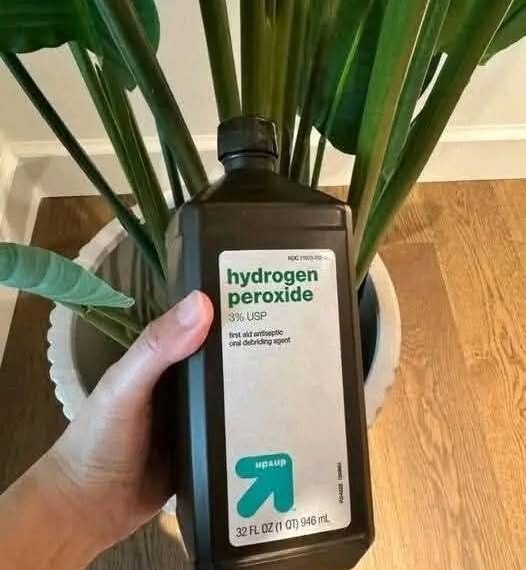
Using hydrogen peroxide as a natural sanitizer can prevent this problem:
- Wipe down tools with a 3% hydrogen peroxide solution between uses to kill fungi, bacteria, and viruses.
- Soak pots and containers in a diluted solution before planting new seedlings to ensure a clean start.
Unlike harsher chemicals, hydrogen peroxide breaks down harmlessly and won’t leave toxic residues that could damage sensitive plants.
4. Enhancing Seed Germination
For gardeners looking to maximize germination rates, hydrogen peroxide can be a surprisingly effective aid.
Fungus Protection During Germination
Seeds are vulnerable to fungal infections that can prevent them from sprouting or kill young seedlings. Soaking seeds in a diluted hydrogen peroxide solution before planting helps disinfect the seed coat, removing fungal spores that inhibit germination.
Softening Seed Coats
Some seeds have tough outer shells that slow down water absorption, delaying sprouting. Hydrogen peroxide helps by slightly softening the seed coat, allowing moisture to penetrate more easily and speeding up germination.
How to Use Hydrogen Peroxide in Your Garden: Practical Tips
Making Your Own Hydrogen Peroxide Solution
You can find 3% hydrogen peroxide in most pharmacies or supermarkets. For garden use, dilute it with water depending on the purpose:
- For foliar sprays and disease control: Mix 1 part 3% hydrogen peroxide to 10 parts water. Spray on leaves every 7–10 days as needed.
- For root zone treatment: Mix 1 part hydrogen peroxide to 20 parts water and water plants with this solution to oxygenate the soil and combat root rot.
- For seed soaking: Soak seeds in a 3% hydrogen peroxide solution for 15–30 minutes before planting. Rinse gently afterward.
Caution and Best Practices
- Always test a small area of the plant before widespread application to ensure there’s no sensitivity or damage.
- Avoid using high concentrations, as too much hydrogen peroxide can harm plant tissues.
- Use fresh solutions as hydrogen peroxide breaks down quickly when exposed to light and air.
Environmental and Health Benefits
Using hydrogen peroxide as a gardening aid aligns well with sustainable and organic practices:
- It reduces reliance on synthetic pesticides and fungicides that can harm beneficial insects and pollute the environment.
- It is biodegradable, breaking down into oxygen and water without leaving harmful residues.
- Safe for gardeners and pets when used properly, it provides a non-toxic alternative to chemical treatments.
Real Gardener Experiences
Many home gardeners and even commercial growers swear by hydrogen peroxide for various uses—from disease control to root health. Reports often mention improved seedling survival rates, less fungal infection, and noticeably healthier foliage.
One gardener shared how treating tomato plants with a weekly hydrogen peroxide spray helped eliminate stubborn powdery mildew without using fungicides. Another found that soaking seeds of native wildflowers in hydrogen peroxide boosted their germination rate dramatically.
Final Thoughts: A Simple Compound with Powerful Benefits
Hydrogen peroxide may be a common household item, but its role in gardening is anything but ordinary. Its natural antifungal, antibacterial, and oxygenating properties make it a multi-purpose tool gardeners can trust to:
- Keep plants free from disease
- Enhance root and plant growth
- Sanitize tools and containers
- Boost seed germination success
In an era when many are seeking eco-friendly alternatives to chemical garden products, hydrogen peroxide shines as a safe, affordable, and effective solution.
So next time you reach for your gardening supplies, consider adding hydrogen peroxide to your toolkit—it might just become your garden’s new best friend.