Dingy white clothes and rough, scratchy towels are among the most common laundry frustrations. Many people turn to white vinegar as a natural solution, but few use it correctly. When used the right way, vinegar can help brighten whites, soften fabrics, and eliminate odors without leaving heavy residues behind.
The key is knowing when and how to add it to your wash cycle.
Why Vinegar Works So Well in Laundry
White vinegar contains acetic acid, which can help:
✅ Break down detergent residue
✅ Dissolve mineral deposits from hard water
✅ Neutralize unpleasant odors
✅ Naturally soften fabrics
✅ Restore towel absorbency
Unlike many commercial fabric softeners, vinegar does not leave a coating on fabrics that can build up over time.
Common Mistakes People Make
Many laundry problems happen because vinegar is used incorrectly.
1. Pouring Vinegar Directly Onto Clothes
Applying vinegar directly to fabrics is not recommended.
Concentrated vinegar may affect certain delicate fabrics or colors. It works best when diluted during the rinse cycle.
2. Mixing Vinegar With Bleach
This is one of the most important mistakes to avoid.
⚠️ Never mix vinegar and bleach.
Combining these products can create harmful fumes that may be dangerous to your health.
3. Using Too Much Vinegar
More vinegar does not necessarily produce better results.
Excessive amounts can be unnecessary and may not provide additional cleaning benefits.
4. Adding It at the Wrong Time
Many people pour vinegar directly into the drum at the beginning of the wash cycle.
In most cases, vinegar is most effective when released during the rinse cycle, not the wash cycle.
The Correct Way to Use Vinegar for Brighter Whites
If your white clothing and linens are looking dull, try this simple method:
- Add your regular laundry detergent as usual.
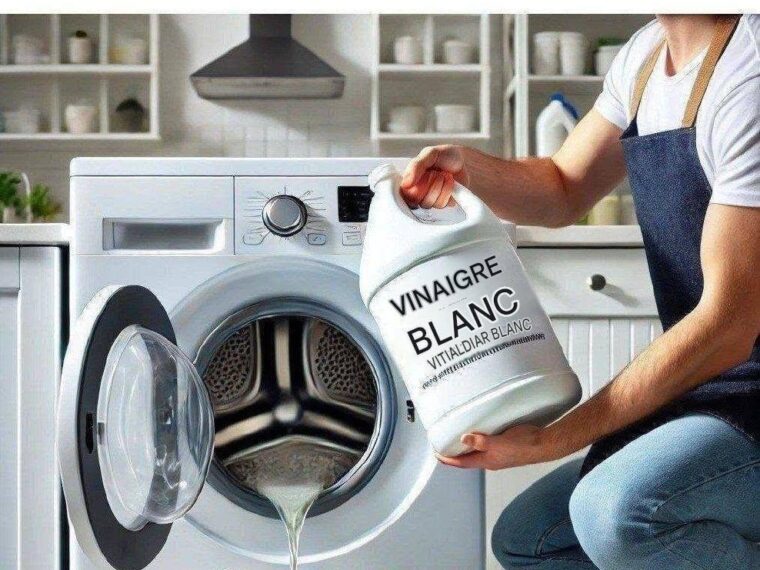
- Pour ½ to 1 cup (120 to 250 ml) of white vinegar into the fabric softener compartment.
- Run the washing machine normally.
The vinegar will be released during the rinse cycle, helping remove detergent buildup and mineral residue that can make fabrics look dull.
How to Make Towels Softer
Over time, towels often become stiff because of:
- Hard water minerals
- Detergent residue
- Fabric softener buildup
To restore softness:
- Wash your towels with your normal detergent.
- Add ½ to 1 cup of white vinegar to the fabric softener dispenser.
- Dry as usual.
Many people notice that towels feel softer, fresher, and more absorbent after just a few washes.
A Bonus Benefit: Odor Removal
Vinegar is also highly effective at helping eliminate odors from:
- Gym clothes
- Towels
- Dishcloths
- Bedding
- Musty fabrics
Because it helps neutralize odor-causing residues, it can leave laundry smelling cleaner after drying.
Will Your Clothes Smell Like Vinegar?
This is one of the most common concerns.
The answer is generally no.
Once the rinse cycle is complete and the laundry has dried, the vinegar smell typically disappears entirely, leaving fabrics fresh and odor-free.
Extra Tips for Better Laundry Results
Don’t Overload the Washing Machine
Laundry needs room to move so water and detergent can circulate properly.
Use the Right Amount of Detergent
Using too much detergent often creates the buildup that vinegar later has to remove.
Clean Your Washing Machine Regularly
Running an occasional maintenance cycle with vinegar can help reduce residue and keep the machine fresh.
Dry Towels Thoroughly
Proper drying helps prevent odors and keeps towels fluffy and comfortable.
Key Takeaways
✔️ White vinegar can help brighten white laundry.
✔️ It naturally softens towels and fabrics.
✔️ It helps remove detergent and hard-water buildup.
✔️ It works best when placed in the fabric softener compartment.
✔️ Never mix vinegar with bleach.
✔️ The vinegar smell usually disappears after washing and drying.
What About You?
🧺 Option 1: I already use vinegar in my laundry.
🧺 Option 2: I’m going to try this method.
🧺 Option 3: I still prefer traditional fabric softeners.
Share your answer in the comments and tell us your favorite trick for keeping laundry soft, fresh, and bright! 👇✨🧺