- Digestive health
- Regular bowel movements
- A healthy gut microbiome
- Feelings of fullness after meals
However, peach tree resin should not be considered a replacement for fiber-rich foods such as whole grains, vegetables, legumes, and fruits.
4. Naturally Low in Fat
For people looking for lighter dessert options, peach tree resin can be an appealing ingredient.
Traditional recipes often combine it with:
- Snow fungus
- Red dates
- Goji berries
- Pears
- Longan fruit
These desserts are generally lighter than many cream-based sweets.
5. A Unique Culinary Ingredient
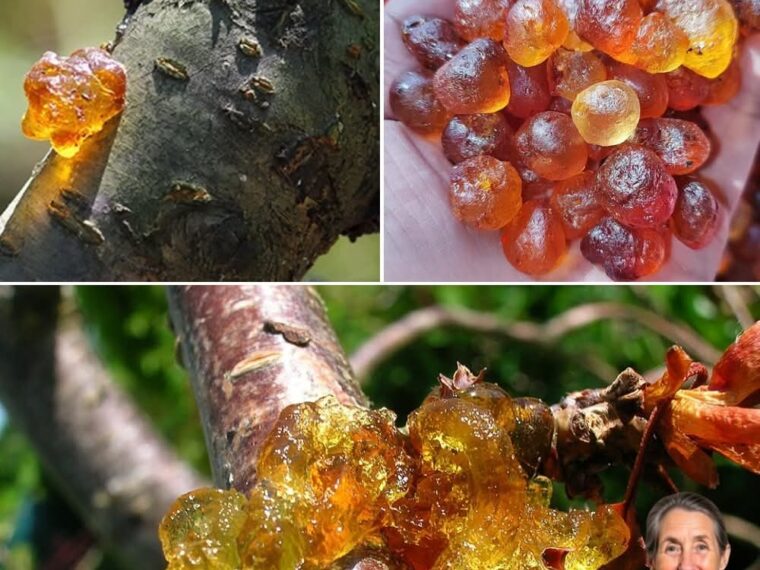
One reason peach tree resin has remained popular is its unusual texture.
After soaking, it becomes:
- Soft
- Slightly chewy
- Smooth
- Jelly-like
Its neutral flavor allows it to absorb the taste of other ingredients, making it versatile in both warm and chilled desserts.
6. Rich in Culinary Tradition
For centuries, Tao Jiao has been enjoyed in Chinese households as part of traditional seasonal cooking.
Many families prepare it during celebrations or as a comforting homemade dessert.
Exploring traditional foods from different cultures can be an enjoyable way to expand your diet and appreciate culinary heritage.
7. Can Be Included in Balanced Desserts
Unlike desserts that rely heavily on butter or cream, many peach tree resin recipes focus on fruits and lightly sweetened broths.
Popular additions include:
- Rock sugar (used sparingly)
- Lotus seeds
- Red dates
- Pear
- Apple
- Goji berries
These combinations create naturally refreshing desserts.
8. Naturally Gluten-Free
Pure peach tree resin is naturally gluten-free.
However, anyone with celiac disease or gluten sensitivity should always check packaged products for potential cross-contamination during processing.
9. Easy to Prepare
Preparing peach tree resin is simple.
The dried crystals should be:
- Rinsed thoroughly.
- Soaked in cold water for 8–12 hours.
- Cleaned carefully to remove any remaining bark or debris.
- Simmered until soft.
After cooking, it develops its signature jelly-like consistency.
10. Pairs Well with Nutritious Ingredients
Many recipes combine peach tree resin with nutrient-rich foods such as:
- Pears
- Apples
- Citrus fruits
- Berries
- Ginger
- Goji berries
This allows you to enjoy a variety of vitamins, minerals, and antioxidants as part of one dish.
Traditional Claims vs. Scientific Evidence
Traditional Chinese medicine attributes many benefits to peach tree resin, including supporting skin health, digestion, circulation, and overall vitality.
However, it’s important to distinguish traditional beliefs from modern scientific evidence.
At present:
- There is limited high-quality clinical research on peach tree resin itself.
- Most health claims have not been confirmed through large human studies.
- It should not be viewed as a treatment for any disease.
Enjoying peach tree resin as part of a balanced diet is very different from expecting it to cure medical conditions.
How to Make a Traditional Peach Tree Resin Dessert
Ingredients
- 20–30 grams dried peach tree resin
- 1 pear, chopped
- A handful of dried goji berries
- 3–4 red dates (jujubes)
- 700 ml water
- Rock sugar or honey (optional, to taste)
Instructions
- Soak the peach tree resin overnight.
- Rinse thoroughly and remove any impurities.
- Bring the water to a gentle boil.
- Add the pear, dates, and resin.
- Simmer for about 30–40 minutes.
- Add the goji berries during the final 10 minutes.
- Sweeten lightly if desired.
- Serve warm or chilled.
The finished dessert has a light, refreshing flavor and a pleasantly chewy texture.
Who Should Be Careful?
Although peach tree resin is generally consumed as a food, some precautions are worth noting.
Avoid eating uncleaned resin collected directly from trees, as it may contain dirt, insects, or other contaminants.
People with food allergies or digestive sensitivities should try small amounts first.
If you are pregnant, breastfeeding, or have a chronic medical condition, consult your healthcare provider before regularly consuming unfamiliar herbal or traditional food products.
Final Thoughts
Peach tree resin, or Tao Jiao, is a fascinating ingredient with a long history in traditional Chinese cuisine. Its soft, jelly-like texture and mild flavor make it a unique addition to desserts and soups, while its cultural significance has earned it a reputation as a nourishing “beauty food.”
Although modern research has not confirmed many of the health claims traditionally associated with peach tree resin, it can still be enjoyed as part of a varied, balanced diet. When paired with fruits, herbs, and other wholesome ingredients, it offers a refreshing way to explore one of Asia’s most distinctive culinary traditions.
As with any traditional remedy, it’s best to appreciate peach tree resin for what it is: a unique natural food—not a miracle cure, but an enjoyable ingredient that can complement a healthy lifestyle.