
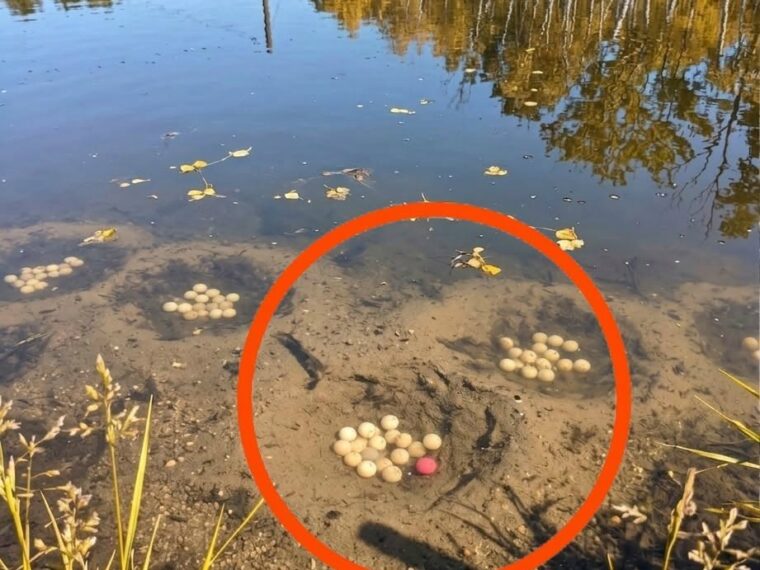
The environmental impact depends on several factors.
Older practices sometimes involved placing tires underwater to create artificial reefs or fish habitats.
While the intention was often positive, later research found that loose tires can shift during storms, damage natural habitats, and become difficult to remove.
Today, many environmental agencies recommend using more stable, environmentally appropriate materials instead.
If tires begin breaking down over many years, they may gradually release small amounts of chemicals into surrounding environments.
Because of this, modern restoration projects often focus on removing abandoned tires from lakes and rivers whenever practical.
Why Objects Look So Different Underwater
Part of what made this discovery so confusing was the way water changes our perception.
Water bends light through a process called refraction.
This can make familiar objects appear:
- Larger
- Closer
- Distorted
- Less recognizable
Combined with algae, mud, and changing sunlight, even everyday objects can become surprisingly difficult to identify.
A simple tire may suddenly resemble an unknown creature.
Our brains naturally try to make sense of incomplete visual information.
The Power of First Impressions
Psychologists have long known that people often form quick explanations before gathering complete evidence.
When we encounter something unfamiliar, our minds immediately begin searching for patterns.
This tendency helps humans solve problems quickly.
However, it can also lead us toward dramatic conclusions.
In this case, many observers imagined rare animals or mysterious underwater formations.
The true explanation turned out to be much simpler.
Artificial Lakes Have Interesting Histories
Unlike natural lakes, artificial lakes are created by people for specific purposes.
Some are built to:
- Store drinking water
- Control flooding
- Irrigate farmland
- Generate hydroelectric power
- Create recreational areas
- Improve local landscapes
Because they’re constructed by humans, they often contain remnants of earlier activities.
Old roads, construction materials, tree stumps, and other objects may remain beneath the water long after the lake fills.
These hidden features sometimes surprise visitors years later.
Why Clean Lakes Matter
Whether natural or artificial, lakes play an important role in local ecosystems.
Healthy lakes support:
- Fish
- Birds
- Amphibians
- Aquatic plants
- Insects
- Mammals that rely on freshwater
Keeping these environments clean benefits both wildlife and nearby communities.
Many volunteer organizations regularly organize cleanup events to remove discarded items such as:
- Plastic bottles
- Fishing line
- Metal cans
- Tires
- Furniture
- Construction debris
Small efforts can make a significant difference over time.
A Reminder Not to Jump to Conclusions
The story of the mysterious lake objects offers an interesting lesson.
Sometimes the most unusual-looking discoveries have surprisingly ordinary explanations.
Other times, everyday objects become almost unrecognizable after years spent underwater.
Curiosity is valuable.
But careful observation is equally important.
Rather than immediately assuming something extraordinary, taking a closer look often reveals the real story.
Nature and Time Can Transform Ordinary Objects
One fascinating aspect of this discovery is how dramatically nature changed the appearance of something so familiar.
Years beneath the water allowed:
- Algae to grow.
- Sediment to accumulate.
- Aquatic organisms to attach.
- Colors to fade.
- Edges to soften.
Eventually, the tires blended into the lakebed so completely that they looked almost organic.
It’s a reminder of how powerfully natural processes reshape the world around us.
The Value of Looking Closer
In our fast-moving world, it’s easy to accept the first explanation that comes to mind.
Yet many discoveries—whether in science, history, or everyday life—begin with someone willing to ask one extra question.
“What am I really looking at?”
That simple question often leads to better understanding.
In this case, the answer wasn’t an undiscovered species or mysterious underwater phenomenon.
It was a handful of weathered tires quietly resting beneath the surface, transformed by time and nature into something unexpectedly intriguing.
Final Thoughts
The mysterious shapes spotted beneath the clear waters of a village lake captured attention because they challenged people’s expectations.
For a brief moment, they seemed to promise an exciting mystery.
Instead, they revealed something equally interesting: how easily perspective, light, and the passage of time can transform ordinary objects into puzzles waiting to be solved.
Sometimes the greatest surprises aren’t hidden creatures or forgotten treasures.
Sometimes they’re simply reminders that the world looks very different when viewed from a new angle.
And that’s exactly what makes curiosity so rewarding.