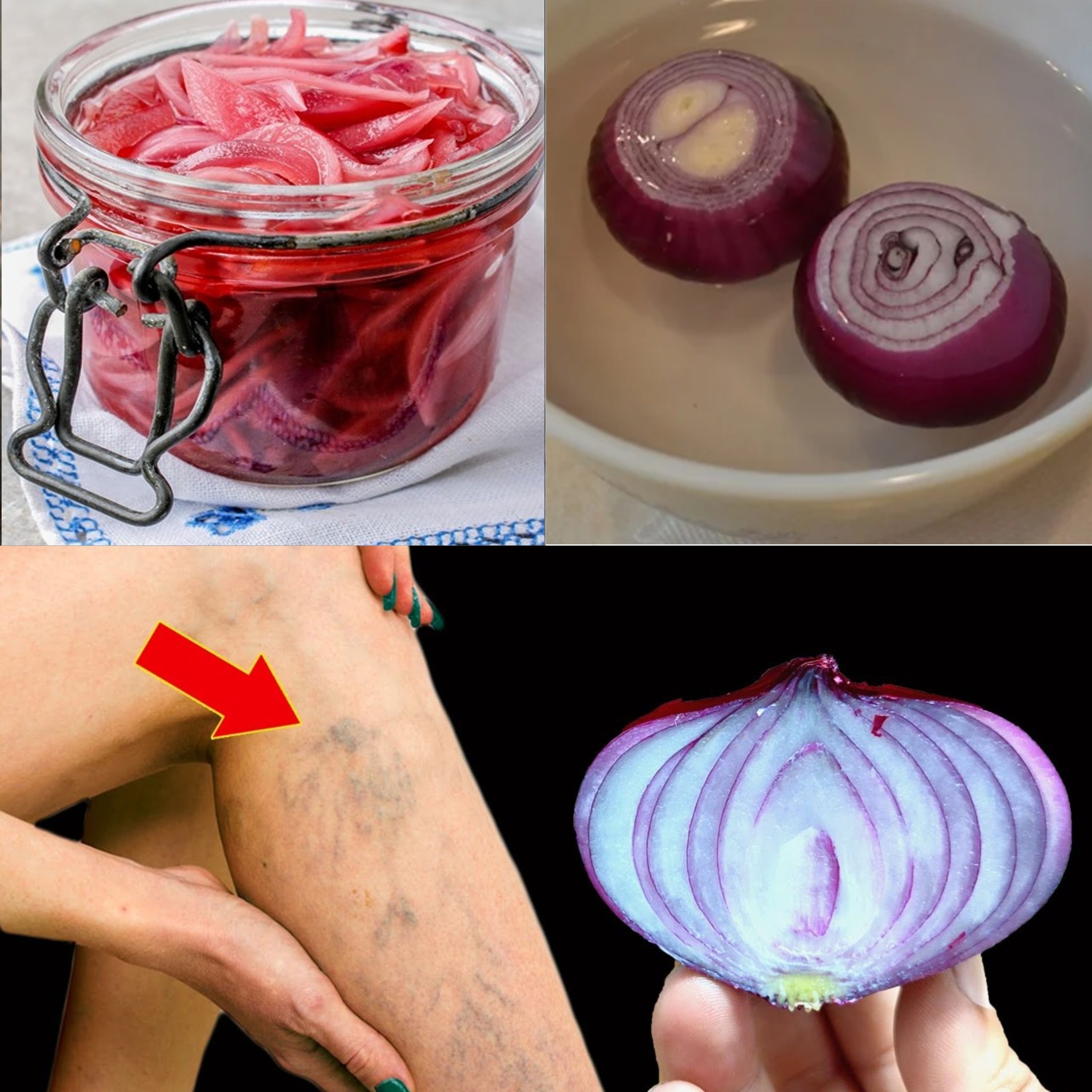
- Varicose veins
- Leg swelling
- Occupations involving prolonged standing
Compression garments should ideally be selected with professional guidance.
7. Manage Cardiovascular Risk Factors
Improving circulation often involves addressing broader health issues such as:
- Blood pressure control
- Cholesterol management
- Blood sugar management
- Smoking cessation
These measures help protect blood vessels over the long term.
Foods That Support Vascular Health
No food instantly “fixes” circulation.
However, a balanced diet supports overall cardiovascular function.
Foods commonly associated with heart and vascular health include:
- Fruits
- Vegetables
- Whole grains
- Nuts
- Legumes
- Fish rich in omega-3 fatty acids
A healthy dietary pattern is generally more important than individual “superfoods.”
When to Seek Medical Attention
Some symptoms require prompt medical evaluation.
Seek medical care if you experience:
- Sudden leg swelling
- Severe leg pain
- One leg becoming significantly larger than the other
- Skin discoloration
- Non-healing wounds
- Chest pain
- Shortness of breath
These may indicate more serious conditions that need immediate attention.
Myths About Circulation
Many products claim to:
- “Detox” blood vessels
- “Clean” arteries
- Cure circulation problems instantly
There is little scientific evidence supporting such claims.
Healthy circulation is usually supported through:
- Physical activity
- Medical management of risk factors
- Healthy lifestyle habits
rather than miracle remedies.
The Role of Exercise
Exercise remains one of the most evidence-supported ways to promote vascular health.
Benefits include:
- Improved circulation
- Better heart function
- Enhanced muscle activity
- Reduced cardiovascular risk
Consistency matters more than intensity.
Final Thoughts
Symptoms such as:
- Heavy legs
- Swelling
- Cold feet
- Tingling
can sometimes be associated with poor circulation, especially among people who sit or stand for long periods.
Helpful strategies often include:
✔ Walking regularly
✔ Moving throughout the day
✔ Elevating the legs when appropriate
✔ Staying hydrated
✔ Managing cardiovascular risk factors
✔ Seeking medical advice for persistent symptoms
The best “solution” is rarely a single remedy.
Healthy circulation is usually the result of consistent habits that support the entire cardiovascular system over time. 🦵❤️