- Soil: Well-draining, slightly acidic potting mix works best. A blend of cactus mix with added organic matter or peat moss is ideal.
- Fertilizer: Use a balanced, water-soluble fertilizer every 2–4 weeks during the growing season (spring and summer). Stop fertilizing in fall as the plant prepares for blooming.
VI. Common Mistakes to Avoid
- Overwatering: Leads to root rot and yellowing segments.
- Excessive light: Can scorch leaves and prevent buds from forming.
- Frequent relocation: Plants dislike being moved during bud formation; buds may drop.
- Ignoring short-day cues: Without reduced light and cooler nights, flowering may be delayed or skipped entirely.
VII. Post-Bloom Care
After the flowers fade:
- Pruning: Gently trim back a few segments to encourage branching and fuller growth.
- Watering: Return to regular moderate watering.
- Fertilizing: Resume light fertilization to support healthy vegetative growth.
VIII. Bonus Tips for Extra Spectacular Blooms
- Rotate the plant slightly during the growing season for even light exposure.
- Keep an eye out for pests like mealybugs or spider mites; early treatment preserves plant health.
- Pair with a humidifier or pebble tray during winter to maintain moisture and prevent leaf desiccation.
IX. The Takeaway
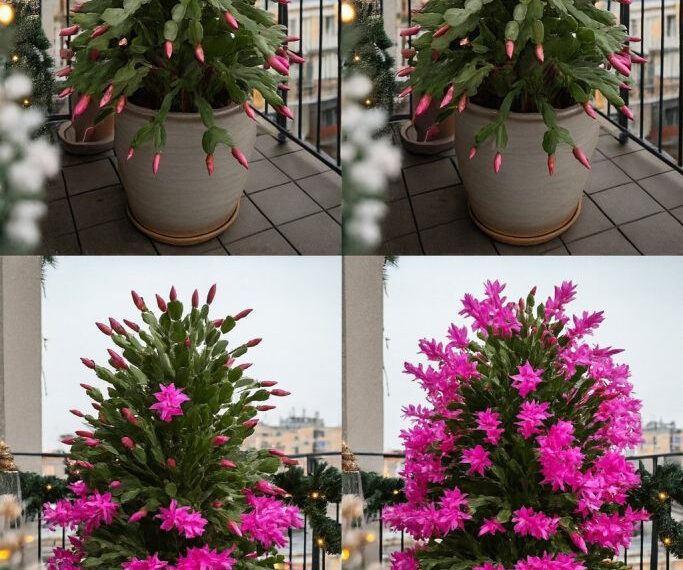
The Christmas cactus rewards gardeners who understand its tropical roots and mimic its natural conditions. By carefully balancing light, temperature, water, and humidity, you can encourage reliable, show-stopping blooms each winter.
Once you unlock the bloom, this resilient plant becomes a star of any indoor garden—a living cascade of color and a reminder that sometimes patience and observation are the best gardening tools of all.
Pages: 1 2