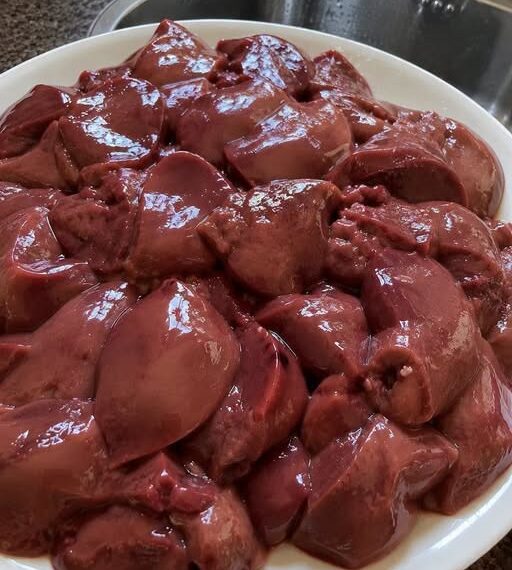
Poultry liver is often one of the most underrated foods in the meat aisle. Yet behind its distinctive texture and rich flavor lies an ingredient that is exceptionally nutrient-dense.
Whether sautéed with onions, blended into pâté, added to a stuffing, or simply pan-fried with herbs and spices, chicken liver provides an impressive amount of protein, iron, vitamin B12, folate, and vitamin A.
However, it is also important to understand its limitations. Poultry liver is extremely rich in vitamin A, so it should be consumed in moderation. Pregnant women are generally advised to avoid liver and liver products because of their high content of preformed vitamin A.
So what exactly makes poultry liver so nutritious? Why is it associated with vitality and energy? And how should it be prepared safely?
Let’s take a closer look.
A Traditional Food Worth Rediscovering
Poultry liver belongs to the category of organ meats, foods that once played a much larger role in traditional diets.
Today, many people prefer chicken breast, fillets, and lean cuts while overlooking organ meats altogether.
From a nutritional perspective, that’s a missed opportunity.
Chicken liver contains particularly high concentrations of several important vitamins and minerals.
According to USDA nutrition data, approximately 100 grams of cooked chicken liver provides:
- 24.5 g of protein
- 11.6 mg of iron
- 16.9 µg of vitamin B12
- 578 µg of folate (DFE)
- 2 mg of vitamin B2 (riboflavin)
- 11 mg of vitamin B3 (niacin)
- Very high amounts of vitamin A
While these values may vary depending on the animal and cooking method, they clearly demonstrate one thing:
Poultry liver is exceptionally nutrient-dense.
Why Is Liver Associated With Energy?
When people say liver “gives you energy,” it’s important to understand what they mean.
Poultry liver is not a stimulant like coffee or energy drinks.
It won’t provide an instant boost.
Instead, its reputation comes from its abundance of nutrients involved in the body’s normal energy-producing processes.
1. It Is Rich in Iron
Iron is an essential mineral involved in the production of hemoglobin, a protein in red blood cells responsible for transporting oxygen throughout the body.
Adequate iron intake contributes to:
- Normal oxygen transport
- Energy metabolism
- Reduced fatigue when deficiency is corrected
Cooked chicken liver provides approximately 11.6 mg of iron per 100 grams, making it one of the richest dietary sources available.
An Important Reminder
Eating liver is not a cure for fatigue.
Tiredness can result from:
- Poor sleep
- Stress
- Illness
- Nutritional deficiencies
- Various medical conditions
Persistent fatigue should always be evaluated properly rather than treated solely through dietary changes.
2. A Vitamin B12 Powerhouse
One of poultry liver’s greatest nutritional strengths is its vitamin B12 content.
Vitamin B12 contributes to:
- Normal nervous system function
- Red blood cell formation
- Energy metabolism
- Reduced tiredness and fatigue when intake is sufficient
With approximately 16.9 µg of vitamin B12 per 100 grams, chicken liver is among the most concentrated sources of this essential vitamin.
This makes it particularly valuable for people whose diets contain limited amounts of animal products.
3. Loaded With Folate
Poultry liver is also an outstanding source of folate (vitamin B9).
Folate plays a role in:
- Cell division
- Blood cell production
- Immune function
- Homocysteine metabolism
A serving of cooked chicken liver provides roughly 578 µg of folate, making it one of the richest natural sources available.
4. Exceptionally High in Vitamin A
This is perhaps the most important fact to understand about liver.
Chicken liver contains large amounts of preformed vitamin A (retinol).
Vitamin A contributes to:
- Normal vision
- Immune system function
- Healthy skin and mucous membranes
According to nutritional data, 100 grams of cooked chicken liver may provide nearly 4,000 µg RAE of vitamin A.
Why Moderation Matters
Although vitamin A is essential, excessive intake of preformed vitamin A can be harmful.
For this reason:
- Liver should not be consumed in large quantities every day.
- Pregnant women are generally advised to avoid liver and liver products because excessive vitamin A intake may pose risks during pregnancy.
A Simple Rule
✅ Liver is highly nutritious.
❌ It is not a food intended to be eaten in large amounts every day.
5. An Excellent Source of Protein
Protein is another major benefit of poultry liver.
With around 24.5 grams of protein per 100 grams, it supports:
- Muscle maintenance
- Tissue repair
- Normal body functions
Combined with vegetables, whole grains, or legumes, poultry liver can be part of a balanced and satisfying meal.
6. Rich in B Vitamins
Beyond B12 and folate, poultry liver provides several other B vitamins, including:
- Vitamin B1
- Vitamin B2
- Vitamin B3
- Vitamin B5
- Vitamin B6
These vitamins play important roles in normal energy metabolism and overall health.
7. A Valuable Source of Choline
Chicken liver also contains significant amounts of choline.
Choline contributes to:
- Cell membrane structure
- Nervous system function
- Production of certain neurotransmitters
Approximately 290 mg of choline per 100 grams can be found in cooked chicken liver.
8. Packed With Essential Minerals
In addition to iron, poultry liver provides several important minerals.
A 100-gram serving contains approximately:
- 0.50 mg of copper
- 82 µg of selenium
- 4 mg of zinc
These nutrients support various biological functions, including immune health and protection against oxidative stress.
How to Prepare Poultry Liver Safely
Proper preparation is essential.
Before Cooking
✅ Rinse the liver if desired.
✅ Remove visible connective tissue.
✅ Pat dry before cooking.
Cooking Methods
Popular options include:
- Pan-frying with onions
- Making pâté
- Adding to stuffing
- Incorporating into sauces
- Grilling or sautéing
Safety First
Poultry liver should be cooked thoroughly to reduce the risk of foodborne illness.
Avoid eating undercooked liver, especially if you are pregnant, elderly, or have a weakened immune system.
The Bottom Line
✔️ Poultry liver is one of the most nutrient-dense foods available.
✔️ It provides high-quality protein, iron, vitamin B12, folate, choline, and several essential minerals.
✔️ It can support a balanced diet when consumed in moderation.
✔️ Because it is extremely rich in vitamin A, it should not be eaten excessively.
✔️ Proper cooking and food safety practices are essential.
What About You?
🍽️ Option 1: I regularly eat poultry liver.
🍽️ Option 2: I haven’t tried it in years.
🍽️ Option 3: I’m curious to give it another chance after learning about its nutritional benefits.
Share your favorite way to cook poultry liver in the comments! 👇✨🍗🥘