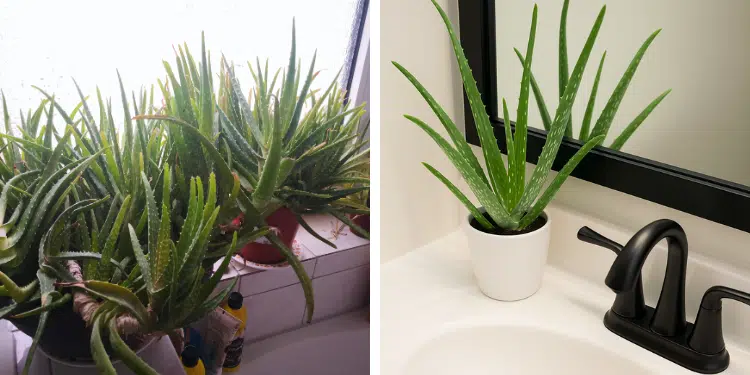
One of the biggest reasons Aloe vera has remained one of the world’s most popular houseplants is that it’s incredibly forgiving.
Unlike many indoor plants that require frequent watering, special fertilizers, or constant attention, Aloe can thrive with very little maintenance. In fact, the most common mistake people make is caring for it too much.
Its thick, fleshy leaves act as natural water reservoirs, allowing the plant to withstand periods of drought. If you occasionally forget to water it, Aloe is far more likely to forgive you than many other houseplants.
For busy families, frequent travelers, students, or anyone new to gardening, it’s one of the easiest plants to grow successfully.
Basic Aloe Vera Care Tips
Keeping your Aloe healthy doesn’t require a green thumb. Just follow a few simple guidelines:
- Water only when the soil is completely dry.
- Use a pot with drainage holes.
- Plant it in cactus or succulent potting mix.
- Give it bright, indirect sunlight whenever possible.
- Rotate the pot every few weeks for even growth.
- Avoid leaving standing water in the saucer beneath the pot.
Too much water is far more dangerous than too little. Overwatering can cause the roots to rot, eventually killing the plant.
A healthy Aloe typically develops firm, upright leaves with a rich green color. If the leaves become soft, yellow, or mushy, excessive watering is often the culprit.
Bonus: Aloe Vera Produces “Baby” Plants
One of the most rewarding things about owning Aloe vera is that it naturally multiplies.
As the plant matures, you’ll often notice small offsets—commonly called “pups”—growing around the base of the main plant.
These miniature Aloe plants can be carefully separated and replanted into their own pots once they’ve developed a few leaves and a healthy root system.
Many gardeners enjoy giving these baby plants to friends and family as thoughtful, low-maintenance gifts.
With just one healthy Aloe, you may eventually grow several plants throughout your home.
A Sustainable Alternative to Store-Bought Products
Keeping an Aloe vera plant nearby can also help reduce reliance on disposable skin-care products for minor everyday needs.
Instead of reaching for a packaged moisturizer after shaving or washing your hands, many people simply cut a small piece from one of the outer leaves and use the fresh gel.
Because the gel comes directly from the plant, there are no added fragrances, dyes, or preservatives.
While commercial Aloe products can certainly be convenient, many contain only a small percentage of actual Aloe vera and may include alcohol or other ingredients that some people find irritating.
Fresh gel from a healthy plant offers a simple, natural option for occasional skin care.
Aloe Vera Fits Almost Any Bathroom Style
Beyond its practical uses, Aloe vera is simply an attractive plant.
Its sculptural, pointed leaves complement nearly every decorating style, whether your bathroom features:
- Modern minimalist décor
- Scandinavian design
- Farmhouse style
- Coastal themes
- Boho interiors
- Traditional décor
Because Aloe remains relatively compact, it fits comfortably on countertops, floating shelves, windowsills, or small plant stands without taking up much space.
Pairing it with ceramic, terracotta, or woven baskets can instantly make your bathroom feel warmer and more inviting.
Can Aloe Vera Improve Indoor Air Quality?
You’ve probably heard that Aloe vera is one of the best air-purifying plants.
This claim largely comes from NASA’s famous Clean Air Study, which found that several common houseplants—including Aloe vera—could remove certain airborne chemicals under controlled laboratory conditions.
However, it’s important to keep expectations realistic.
More recent research suggests that while houseplants can contribute to a more pleasant indoor environment, a few potted plants alone are unlikely to significantly clean the air in a typical home. Good ventilation remains the most effective way to improve indoor air quality.
That said, Aloe vera still offers other benefits, including adding humidity to small spaces, bringing nature indoors, and creating a calming atmosphere.
Is Aloe Vera Safe Around Pets?
This is one point many plant owners overlook.
While Aloe vera is generally safe to handle, the plant contains compounds called saponins and anthraquinones that can be toxic to cats and dogs if they chew or eat the leaves.
Symptoms may include:
- Vomiting
- Diarrhea
- Lethargy
- Loss of appetite
If you have curious pets that enjoy nibbling houseplants, it’s best to place Aloe on a high shelf or in another location they can’t access.
If you suspect your pet has eaten Aloe vera and is showing symptoms, contact your veterinarian promptly.
Can You Use Aloe Vera Every Day?
Many people use fresh Aloe gel regularly as part of their skin-care routine.
Applied externally, it can help moisturize the skin without leaving a greasy residue, making it popular for use after shaving, washing hands, or spending time in the sun.
Before applying fresh Aloe gel to larger areas of skin, it’s a good idea to perform a small patch test on the inside of your arm to check for sensitivity or an allergic reaction.
If irritation develops, discontinue use.
Common Mistakes to Avoid
Even though Aloe is one of the easiest houseplants to grow, a few mistakes can shorten its lifespan.
Here are the most common ones:
Overwatering
This is by far the biggest problem.
Always allow the soil to dry completely before watering again.
Using the Wrong Soil
Regular potting soil often retains too much moisture.
A well-draining cactus or succulent mix is usually a much better choice.
Too Little Light
Although Aloe tolerates indirect light, very dark bathrooms can cause slow growth and pale, weak leaves.
If your bathroom lacks natural light, move the plant to a brighter room for part of the week or consider using a grow light.
Poor Drainage
Decorative pots without drainage holes may look attractive, but they greatly increase the risk of root rot.
Harvesting Too Many Leaves
Only remove mature outer leaves, leaving the younger center leaves intact so the plant can continue growing.
Frequently Asked Questions
Does Aloe vera need sunlight in the bathroom?
Yes. Bright, indirect light is ideal. Bathrooms with a window usually provide enough light, while windowless bathrooms may require occasional time in a brighter location or supplemental lighting.
How often should I water Aloe vera?
There isn’t a fixed schedule.
Water thoroughly only after the soil has dried out completely, which may be every two to four weeks depending on the season, humidity, and indoor temperature.
Can Aloe survive in a windowless bathroom?
Not permanently.
While it may tolerate low light for a short time, Aloe eventually needs adequate light to remain healthy.
Is fresh Aloe gel safe for every skin condition?
Fresh Aloe gel may soothe minor skin irritation for some people, but it isn’t appropriate for every wound or skin problem. Avoid applying it to deep cuts, serious burns, or infected areas unless advised by a healthcare professional.
The Bottom Line
Aloe vera earns its reputation as one of the most useful houseplants you can own.
It combines attractive looks with remarkable practicality, offering fresh gel for minor skin care, requiring very little maintenance, and bringing a touch of nature into one of the most frequently used rooms in your home.
Bathrooms often provide the warm temperatures and humidity that Aloe enjoys, making them an excellent location for this resilient succulent—as long as the plant also receives enough bright, indirect light and isn’t overwatered.
Whether you’re an experienced plant lover or buying your very first houseplant, Aloe vera is a simple addition that can make your bathroom feel greener, calmer, and more inviting for years to come.