

A bright smile is often associated with confidence and good oral hygiene. Over time, however, teeth can gradually lose their brightness due to daily habits, aging, and staining foods or drinks.
Because professional whitening treatments can be expensive, many people search for home remedies that may help reduce surface stains naturally.
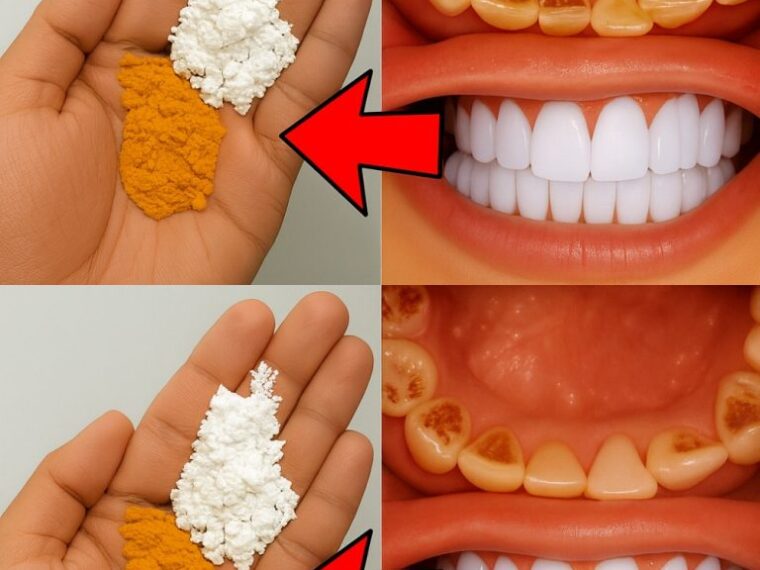
One popular viral method combines:
- Turmeric
- Baking soda
Supporters claim the mixture helps polish away surface discoloration and brighten teeth quickly. But while some ingredients may help remove superficial stains, it is important to separate realistic expectations from exaggerated internet claims.
No home remedy can safely transform deeply stained teeth in “just one minute,” and aggressive whitening methods may damage enamel if overused.
Why Teeth Become Yellow or Stained
Tooth discoloration generally falls into two categories.
1. Extrinsic Stains
These are surface stains affecting the outer layer of teeth.
Common causes include:
- Coffee
- Tea
- Red wine
- Smoking
- Colored foods
- Poor oral hygiene
Extrinsic stains are often the easiest to improve through cleaning or polishing.
2. Intrinsic Stains
These occur deeper inside the tooth and may result from:
- Aging
- Certain medications
- Fluoride exposure during childhood
- Enamel thinning
Intrinsic stains are more difficult to treat and often require professional dental whitening procedures.
The Viral Turmeric and Baking Soda Method
The trending home remedy usually combines:
- Turmeric powder
- Baking soda
- Water or coconut oil
At first glance, turmeric may seem like a strange whitening ingredient because it strongly stains fabrics and surfaces yellow.
However, supporters claim its fine texture combined with baking soda may help polish away surface buildup temporarily.
Why Baking Soda Is Commonly Used
Baking soda has been used in oral care products for decades.
Dentists sometimes include it in toothpaste because:
- It acts as a mild abrasive
- It may help remove surface stains
- It can help neutralize acids in the mouth
Compared with some harsh whitening products, baking soda is considered relatively gentle when used occasionally and correctly.
What About Turmeric?
Turmeric contains curcumin, a compound studied for antioxidant and anti-inflammatory properties.
Some people believe turmeric may help:
- Reduce oral bacteria
- Support gum health
- Remove surface buildup gently
However, scientific evidence specifically proving turmeric whitens teeth significantly remains limited.
How People Commonly Prepare the Paste
A typical version includes:
- ½ teaspoon turmeric powder
- ½ teaspoon baking soda
- A few drops of water or coconut oil
The ingredients are mixed into a thick paste.
Suggested Application Method
People using this method often:
- Apply a small amount onto a soft toothbrush
- Brush gently for approximately 60 seconds
- Rinse thoroughly
- Brush again with regular toothpaste afterward
The second brushing helps remove yellow turmeric residue.
Important Safety Considerations
While occasional gentle use may help polish minor surface stains, overusing abrasive mixtures can potentially damage enamel over time.
Enamel does not regenerate once worn away.
Excessive scrubbing may lead to:
- Tooth sensitivity
- Enamel erosion
- Gum irritation
This is why dentists generally recommend moderation with DIY whitening methods.
What This Method Can Realistically Do
This type of mixture may:
- Remove some surface buildup
- Improve temporary brightness
- Make teeth feel cleaner
However, it will not:
- Permanently whiten deeply stained teeth
- Replace professional dental cleaning
- Instantly transform severe discoloration
- Repair damaged enamel
Results vary significantly between individuals.
Why Some Whitening Methods Go Viral
Next page