
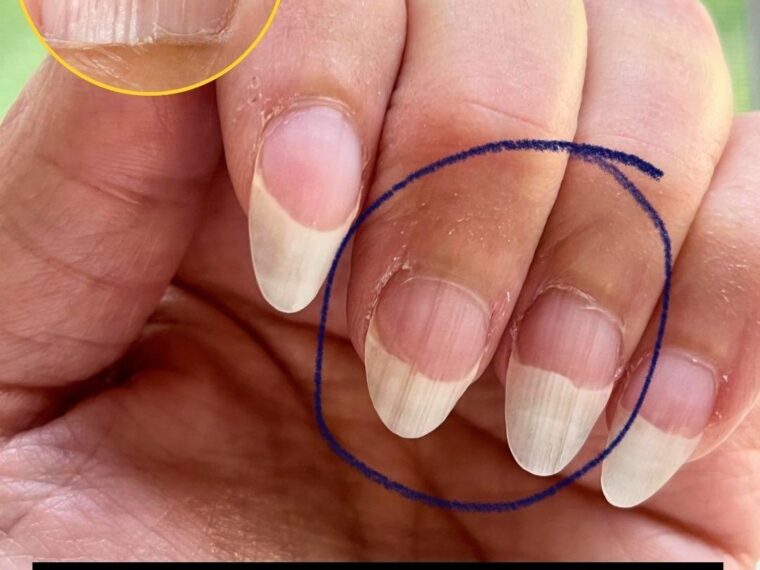


Fingernails can reveal a surprising amount about everyday health and lifestyle habits. One of the most common nail changes people notice is the appearance of white spots or lines on the nails, medically known as Leukonychia.
In most cases, these marks are harmless and temporary. They often result from minor trauma, irritation, or natural nail changes rather than serious illness.
White marks may appear in different forms, including:
- Tiny white dots
- Thin horizontal lines
- Vertical streaks
- Larger cloudy white areas
Their appearance can vary depending on the underlying cause.
What Is Leukonychia?
Leukonychia refers to white discoloration affecting part or all of the nail plate.
The condition is extremely common and usually develops because of small disruptions in nail growth inside the nail matrix — the area beneath the skin where the nail is formed.
Since fingernails grow slowly, marks often appear weeks after the original cause occurred.
Many people notice white spots and assume they are caused by calcium deficiency, but this belief is often inaccurate. Most isolated white marks are actually related to minor nail injury.
Common Causes of White Lines or Spots
1. Minor Trauma to the Nail
This is the most frequent cause.
Small injuries can affect nail formation without causing noticeable pain at the time.
Examples include:
- Aggressive manicures
- Nail biting
- Picking at cuticles
- Tapping nails against hard surfaces
- Pressure from tight shoes on toenails
Because nails grow gradually, the white mark may not appear until days or weeks later.
2. Chemical Irritation
Nails are exposed daily to chemicals that may weaken or irritate them.
Possible irritants include:
- Nail polish remover
- Gel manicures
- Acrylic nails
- Cleaning products
- Detergents
- Harsh soaps
Repeated exposure can affect nail texture and appearance over time.
People who frequently use nail cosmetics may also develop brittleness, dryness, or ridges alongside white marks.
3. Natural Aging Changes
As people age, nails naturally change in texture and appearance.
Common age-related changes include:
- Vertical ridges
- Thicker nails
- Increased brittleness
- Mild discoloration
These changes are usually harmless and part of normal aging.
The nail plate becomes less smooth over time because nail growth slows and moisture retention changes with age.
4. Nutritional Factors
Although less common than people think, certain nutritional deficiencies can sometimes affect nail appearance.
Deficiencies occasionally associated with nail changes include:
- Zinc deficiency
- Iron deficiency
- Protein deficiency
However, isolated white spots alone rarely confirm a deficiency.
When nutritional issues are involved, other symptoms often appear too, such as:
- Fatigue
- Hair loss
- Weakness
- Brittle nails overall
5. Allergic Reactions
Some individuals develop nail changes due to allergic reactions to:
- Nail adhesives
- Gel polish ingredients
- Cosmetic products
This may cause:
- White discoloration
- Nail separation
- Itching
- Redness around the nail
In these situations, avoiding the triggering product often improves symptoms.
Horizontal vs Vertical Lines: What’s the Difference?
The direction of nail lines can sometimes provide clues about their cause.
Vertical Lines
Vertical ridges running from the cuticle to the nail tip are extremely common.
They are often linked to:
- Aging
- Dryness
- Normal nail structure
Most vertical ridges are harmless.
Horizontal Lines
Next page