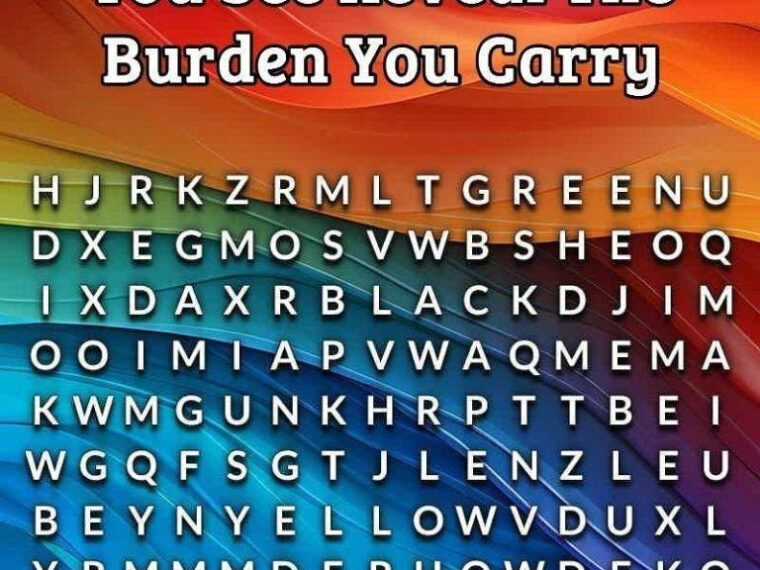
Colors aren’t just something we see—they are something we feel. From the bright red of a sunset to the calming blue of the ocean, colors have a profound effect on our emotions and subconscious mind. Psychologists and neuroscientists have long studied how colors influence our mood, memory, and even decision-making. Interestingly, the first three colors a person notices or chooses can reveal hidden emotional burdens, stressors, and aspects of their personality.
This idea has become popular in social media quizzes, especially on platforms like Instagram, TikTok, and Pinterest, where people are asked to pick or quickly name three colors they see. While it may seem simple or playful, there is actually a deep psychological and emotional reasoning behind this phenomenon.
🌈 The Emotional Language of Color
Every color carries emotional associations. Our brain reacts to colors almost instantaneously, triggering feelings, memories, or even physical responses. Here are some common emotional associations with colors:
- Red – Passion, intensity, or conflict. Red can evoke excitement, energy, or even anger.
- Blue – Calmness, sadness, or introspection. Often linked to serenity or melancholy.
- Purple – Transformation, creativity, or mystery. It can symbolize change or personal growth.
- White – Purity, simplicity, or new beginnings (Western cultures); mourning or spirituality (Eastern cultures).
- Green – Balance, harmony, or renewal. Often connected to nature and emotional stability.
The colors we are drawn to subconsciously can indicate how we are feeling deep inside, even if we aren’t consciously aware of it.
🧠 How Color Affects Us
The influence of color on our emotions is rooted in both biology and psychology:
- Brain-Based Perception: Colors stimulate the retina, which sends signals to the brain’s limbic system—the area responsible for emotion.
- Subconscious Impact: Even without conscious awareness, certain colors can trigger memories, stress responses, or comfort.
- Cultural Shifts: Different cultures assign different meanings to colors. For example, red represents luck in China but danger in Western societies. White symbolizes purity in the West but mourning in some Eastern cultures.
Because of these subconscious associations, the first three colors we notice often reflect more than our current mood—they can reveal hidden emotional burdens or unresolved stress.
🎨 Using Color for Self-Discovery
Paying attention to the colors you naturally gravitate toward can be a tool for emotional insight and personal growth. Here’s how:
- Notice What Draws You In: Observe which colors you feel drawn to in clothing, artwork, or decor.
- Reflect on Emotional Responses: Ask yourself how these colors make you feel—calm, anxious, energized, or introspective.
- Explore Through Art or Journaling: Use colors in creative activities to express feelings you may not yet articulate verbally.
- Consider Therapy or Mindfulness Practices: Therapists sometimes incorporate color awareness into sessions to help patients explore underlying emotions.
Color awareness isn’t just symbolic—it can be a practical tool to understand and release emotional stress.
🌟 The Science and Healing Power of Color
Next page