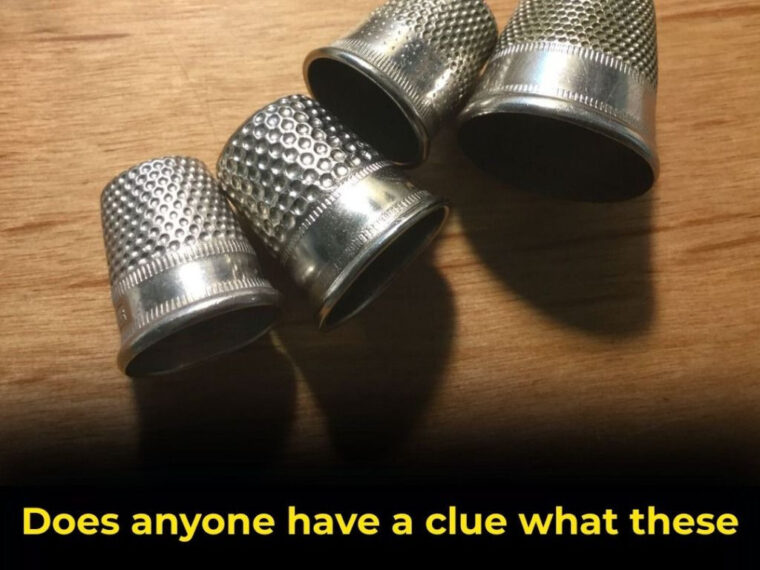
Thimbles, though small in size, have played a significant role in human history as both practical tools and cherished keepsakes. From their humble beginnings as protective devices for sewing to their evolution into decorative collectibles, thimbles tell a story of craftsmanship, culture, and tradition. Whether you’re a sewing enthusiast, a collector, or simply curious about these tiny treasures, the history and significance of thimbles are as fascinating as they are enduring. Let’s dive into the timeless story of thimbles and explore their journey through time.
The Humble Beginnings of the Thimble
The thimble’s story begins thousands of years ago. Archaeologists have uncovered early thimble-like objects dating back to the Roman Empire. Some of the oldest known examples were discovered in what is now Europe, including excavations in areas once ruled by the Romans. These early thimbles were typically made from bronze and were crafted by hand.
Their purpose was simple yet essential: to protect the finger while pushing a needle through thick fabrics such as leather, wool, or linen. Sewing in ancient times was not a leisurely hobby — it was a survival skill. Clothing, sails, sacks, bedding, and armor padding all required sturdy stitching. A thimble allowed the sewer to apply force without injury.
As civilizations expanded, so did the use of thimbles. Over centuries, they became indispensable tools in households across Europe and Asia.
Materials Through the Ages
One of the most fascinating aspects of thimble history is the variety of materials used in their creation.
Early thimbles were commonly made from:
- Bronze
- Brass
- Copper
- Iron
As metalworking advanced, silversmiths began producing sterling silver thimbles. These became popular among wealthier households during the 17th and 18th centuries.
Later, during the Industrial Revolution, mass production introduced new materials:
- Steel
- Aluminum
- Porcelain
- Glass
- Celluloid (an early plastic)
Some thimbles were even made from gold and adorned with gemstones, transforming them from simple sewing aids into luxurious accessories.
The choice of material often reflected the owner’s social status. A simple brass thimble might belong to a working seamstress, while an ornate silver thimble could be part of a noblewoman’s sewing kit.
The Rise of Decorative Thimbles
By the 18th and 19th centuries, thimbles began to evolve beyond pure functionality. Artisans started engraving intricate patterns, floral motifs, initials, and even tiny scenes onto their surfaces.
In Victorian England, thimbles became fashionable gifts. They were often presented as tokens of affection, friendship, or remembrance. Some were inscribed with sentimental messages or dates, turning them into miniature keepsakes.
Porcelain thimbles gained popularity in the 19th century, particularly in Europe. Manufacturers began decorating them with hand-painted designs, landscapes, and cultural imagery. These pieces were sometimes too delicate for practical sewing and instead served as display items.
Thimbles and Industrial Innovation
The Industrial Revolution marked a turning point in thimble production. Advances in metal stamping allowed manufacturers to produce uniform thimbles quickly and efficiently.
One of the most notable innovations was the introduction of machine-made indentations — the small dimples that help grip the needle. These indentations improved precision and durability.
Factories began producing thimbles in large quantities, making them affordable for everyday households. Sewing was a vital domestic skill, and nearly every home had at least one thimble in its sewing basket.
A Symbol of Domestic Life
For centuries, thimbles symbolized diligence, craftsmanship, and domestic responsibility. In many cultures, sewing was closely tied to femininity and homemaking.
Young girls were often taught to sew at an early age. A first thimble sometimes marked a rite of passage — a quiet acknowledgment of growing responsibility and skill.
Thimbles were also included in trousseaus and bridal sewing kits. They represented preparedness and industriousness in married life.
In some traditions, thimbles even carried symbolic meaning in courtship. A woman might present a decorated thimble as a token of affection or remembrance.
Thimbles as Collectibles
By the mid-20th century, thimbles had firmly established themselves as collectibles. Tourism contributed significantly to this trend. Souvenir thimbles featuring landmarks, cities, and cultural symbols became popular keepsakes for travelers.
Collectors today seek:
- Antique sterling silver thimbles
- Limited-edition porcelain designs
- Commemorative thimbles
- Advertising thimbles
- Novelty thimbles shaped like characters or animals
Some collectors specialize in specific eras, materials, or countries of origin. Others focus on artistic themes.
There are even dedicated thimble clubs and exhibitions where enthusiasts display their collections and share knowledge about rare pieces.
Notable Thimble Traditions Around the World
Different cultures embraced thimbles in unique ways.
In England, silver thimbles were particularly popular during the 18th and 19th centuries. British silversmiths produced highly detailed examples that are now prized by collectors.
In Germany, porcelain thimbles became especially sought after for their craftsmanship and hand-painted detail.
In the United States, advertising thimbles emerged in the early 20th century. Companies printed logos or slogans on celluloid thimbles as promotional items.
Across cultures, the thimble adapted to reflect local artistry and tradition.
The Thimble in Literature and Folklore
Thimbles have also appeared in literature and storytelling. In fairy tales and period novels, they often symbolize domestic virtue and quiet industriousness.
In some folk traditions, a thimble was used in games and superstitions. It could serve as a marker in sewing competitions or be hidden in holiday puddings as part of playful fortune-telling customs.
Though small, the thimble carried symbolic weight in many narratives.
Modern Uses of Thimbles
Today, while fewer people rely on hand sewing for everyday clothing repair, thimbles remain valuable tools for:
- Quilting
- Embroidery
- Tailoring
- Leatherworking
- Craft sewing
Modern designs include ergonomic silicone thimbles and adjustable metal versions that provide greater comfort.
Sewing enthusiasts often keep multiple thimbles for different tasks. Some prefer traditional metal styles, while others opt for softer materials.
Despite technological advances in sewing machines, hand stitching remains an essential skill — and the thimble continues to serve its purpose faithfully.
Caring for Antique Thimbles
If you inherit or collect thimbles, proper care helps preserve their beauty and value.
For metal thimbles:
- Gently polish silver with a soft cloth.
- Avoid harsh abrasives that remove detail.
- Store in dry conditions to prevent tarnish.
For porcelain or glass:
- Handle carefully to prevent chips.
- Display away from direct sunlight to preserve painted designs.
Collectors often use display cases or shadow boxes to showcase their collections while protecting them from dust and damage.
Why Thimbles Still Matter
In an age dominated by digital technology and mass production, the thimble stands as a reminder of slower, hands-on craftsmanship.
It represents:
- Patience
- Precision
- Creativity
- Tradition
Each tiny indentation tells a story of countless stitches. Each worn surface hints at garments mended, quilts assembled, and heirlooms created with care.
Thimbles connect us to generations who relied on skill and resilience to create and repair the essentials of daily life.
A Small Object with a Big Legacy
What makes the thimble so enduring is not its size, but its symbolism. It embodies practicality and artistry in equal measure. It bridges necessity and sentiment.
Whether discovered in an antique sewing box, purchased as a souvenir, or displayed proudly in a collector’s cabinet, a thimble carries quiet historical weight.
Its story spans empires, revolutions, domestic rituals, and artistic movements. From Roman bronze to Victorian silver to modern porcelain collectibles, the thimble has adapted yet remained fundamentally the same — a simple tool designed to protect and assist the human hand.
And perhaps that is the true charm of the thimble.
It reminds us that even the smallest objects can hold centuries of history within them.