Sometimes your orchid looks a little less fabulous and more wilted than you’d like. Fear not! There’s a natural and rather surprising remedy that could bring your orchid back to life: garlic water. This isn’t just a clever kitchen experiment; it’s a trick that some green-thumbed enthusiasts have used to rescue their precious orchids from the brink of despair.
Orchids are finicky plants, and when they start to wilt, it’s often a sign of stress. The natural compounds in garlic water can help combat infections and boost the plant’s immune system, potentially leading to a revival of your cherished orchid. Before you give up on your struggling beauty, it’s worth understanding why orchids decline in the first place — and how this simple home remedy may help.
Why Orchids Become Weak or Wilted
Orchids are tropical plants that require a delicate balance of water, airflow, humidity, and light. Unlike many houseplants, they do not grow in regular soil. Most orchids are epiphytes, meaning they naturally grow attached to trees with their roots exposed to air. Because of this unique growth habit, they are especially sensitive to improper care.
Common causes of orchid decline include:
- Overwatering (leading to root rot)
- Underwatering (causing dehydration)
- Poor drainage
- Insufficient humidity
- Too much direct sunlight
- Pest infestations
- Fungal or bacterial infections
- Sudden temperature fluctuations
When an orchid begins to wilt, it is usually reacting to stress below the surface — often at the root level. Healthy roots are firm and green or silvery. Damaged roots are brown, mushy, or shriveled. Since roots are the foundation of orchid health, restoring them is key to reviving the plant.
That’s where garlic water comes into play.
Why Garlic Works for Orchids
Garlic contains a powerful compound called allicin, which is released when garlic is crushed or chopped. Allicin has strong antibacterial, antifungal, and antimicrobial properties. In gardening, garlic has long been used as a natural plant protector against pests, fungi, and harmful microorganisms.
When applied properly and diluted correctly, garlic water can:
- Help suppress fungal infections
- Reduce harmful bacteria in the potting medium
- Support root recovery
- Strengthen the plant’s natural defenses
- Act as a mild pest deterrent
It is not a miracle cure — but it can provide support when your orchid is struggling with mild infections or stress-related weakness.
Signs Of A Wilted Orchid
Orchids are exquisite, but they can be demanding. Recognizing the signs of a wilted orchid is the first step in understanding when your precious plant needs your help.
1. Limp, Wrinkled Leaves
One of the most noticeable signs of a wilted orchid is when its typically taut, vibrant leaves become limp and wrinkled. They may even start to lose their deep green color. This often indicates dehydration or root damage.
2. Soft or Mushy Roots
Healthy orchid roots should feel firm. If they are brown, mushy, or smell unpleasant, root rot may be the issue. Garlic water can help reduce microbial growth, but severely rotted roots may need trimming first.
3. Drooping Flowers
Orchid blooms should be held high and proud. When they start drooping or even falling off, it’s a clear sign of distress. While blooms naturally fade after their cycle, premature drooping signals stress.
4. Shriveled Pseudobulbs
Orchids, particularly those of the Cattleya and Dendrobium varieties, have pseudobulbs that store water. When these become shriveled or wrinkled, it’s a sign that your orchid is parched.
5. Dry Potting Medium
If you notice that the potting medium in which your orchid is planted has become extremely dry and dusty, it’s time for intervention.
6. Yellowing Leaves
The lush green leaves of an orchid turning yellow indicate both overwatering and underwatering issues, both of which can lead to wilting.
Materials Needed For Reviving Your Orchid
- A Wilted Orchid
- A Clove of Garlic: One fresh garlic clove will be the essential ingredient in our remedy.
- A Knife: To finely chop the garlic clove.
- A Spray Bottle: A small spray bottle filled with clean water will be used to apply the garlic solution.
- Optional: A strainer or cheesecloth to remove garlic pieces before spraying.
A Step-by-Step Guide
Step 1: Prepare The Garlic Water
Start by finely chopping a garlic clove. Crushing it releases allicin, the powerful compound that gives garlic its healing properties. Let the chopped garlic sit for about 10 minutes before mixing it with water — this allows the allicin to fully activate.
Step 2: Mix Garlic With Water
Add the chopped garlic to about one liter (4 cups) of room-temperature water. Let this mixture sit for several hours, or overnight for a stronger infusion. After soaking, strain out the garlic pieces to prevent clogging your spray bottle.
Step 3: Inspect and Trim Roots
Before applying garlic water, gently remove the orchid from its pot and inspect the roots. Using sterilized scissors, trim away any mushy or completely dead roots. Healthy roots should remain intact. This step greatly improves recovery chances.
Step 4: Apply Garlic Water
Spray the garlic-infused water directly onto the orchid’s roots and potting medium. Ensure that the entire root system is lightly coated with the solution. Do not soak the plant — a light application is sufficient.
Step 5: Repot If Necessary
If the potting medium is old, compacted, or moldy, consider repotting the orchid in fresh orchid bark mix. Orchids require excellent drainage and airflow around their roots.
Step 6: Provide Adequate Water
Your orchid needs hydration, but it’s crucial not to overwater. Use plain water to moisten the potting medium, but don’t let the orchid sit in standing water.
Step 7: Improve Environmental Conditions
Place your orchid in bright, indirect light. Avoid harsh direct sunlight. Maintain moderate humidity (around 50–70%) and ensure good air circulation.
Step 8: Monitor Progress
Keep a close eye on your orchid as it recovers. Over the next few weeks, you should see signs of improvement, such as tauter leaves, vibrant blooms, and overall healthier foliage.
Extra Tips for Long-Term Orchid Health
Reviving your orchid is just the first step. To prevent future problems:
- Water only when roots appear silvery
- Always allow excess water to drain
- Fertilize lightly during growing seasons
- Avoid placing orchids near heating or cooling vents
- Clean leaves gently to remove dust
- Repot every 1–2 years
Consistency is key. Orchids thrive in stable conditions.
When Garlic Water May Not Be Enough
If your orchid continues declining despite treatment, it may have advanced root rot or a severe infection. In those cases, additional steps like using commercial fungicides or consulting a local plant expert may be necessary.
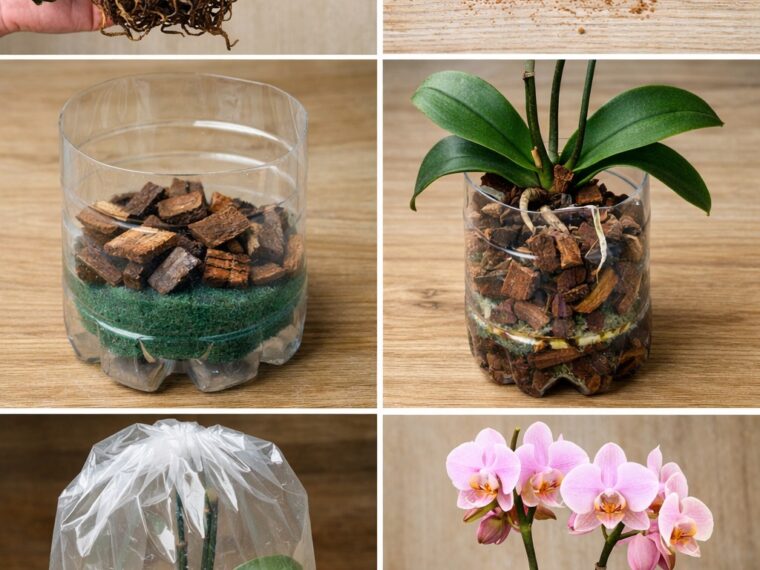
If all roots are lost, don’t panic. Some orchids can regrow roots with patience, humidity, and proper care. A humidity dome setup can sometimes help stimulate new root growth.
FAQs
1. Can I Use Any Type Of Garlic For The Garlic Water Solution?
Yes, any fresh garlic clove will work. It’s the natural compounds in garlic that are beneficial for your orchid.
2. How Often Should I Use The Garlic Water Solution?
It’s best to apply the solution every 2–4 weeks or when you notice signs of wilting. Orchids don’t require frequent intervention.
3. Can I Use Garlic Water Preventively To Keep My Orchid Healthy?
While it’s primarily used for revival, garlic water can also serve as a preventive measure by boosting your orchid’s overall health when used sparingly.
4. Can I Use Garlic Water To Revive Other Plants?
Yes, the garlic water method can potentially benefit other plants as well, not just orchids. However, some plants may be more sensitive to garlic water, so it’s wise to test a small area first.
5. Is Garlic Water Safe for All Orchid Types?
Most common household orchids respond well when garlic water is properly diluted. However, always use moderation and observe your plant’s reaction.
A Natural, Chemical-Free Solution
One of the most appealing aspects of this remedy is that it’s natural and chemical-free. Many commercial plant treatments contain synthetic ingredients that may be harsh or unnecessary for minor issues. Garlic water offers a gentle alternative that works with nature rather than against it.
It’s also budget-friendly. Instead of discarding a struggling orchid and purchasing a new one, you can attempt revival with something already in your kitchen.
Patience Is Part of the Process
Orchids do not bounce back overnight. Recovery may take weeks or even months. You might first notice improved leaf firmness, followed by new root growth. Flowering will typically be the final sign of full recovery.
Don’t be discouraged if blooms don’t immediately return. Focus on leaf and root health first — flowers will follow in time.