
A beautiful home isn’t necessarily an expensive one. In fact, some of the most inviting interiors are created with affordable furniture, thoughtful decorating, and a few carefully chosen details. What makes a home look expensive is rarely the price tag of individual items. It’s the way everything comes together: the colors, textures, lighting, proportions, and overall sense of harmony.
On the other hand, even a well-furnished home can look less polished than intended because of small decorating mistakes. Cluttered surfaces, poorly chosen lighting, mismatched furniture, and excessive accessories can make a room feel unfinished or visually overwhelming.
The good news? Most of these issues are easy to fix without renovating or spending a fortune. If you want your home to look more elegant, cohesive, and thoughtfully designed, here are 15 things to watch out for.
1. Too Many Decorative Accessories
Decorating is about creating visual interest, but adding too many accessories can have the opposite effect. When every shelf, table, and countertop is covered with ornaments, candles, artificial flowers, and little decorative objects, the room starts to feel cluttered.
Instead of displaying everything you own, choose a few pieces that genuinely complement your interior. A beautiful ceramic vase, a sculptural object, or a carefully arranged stack of books can make a stronger statement than ten unrelated accessories.
Remember that empty space is part of good design. Allowing furniture and decorative objects room to breathe instantly creates a more sophisticated atmosphere.
2. Visible Cables and Wires
One of the easiest ways to make a living room look messy is to leave cables hanging behind the television, running across the floor, or tangled around a desk.
These small details might seem insignificant, but they interrupt the visual flow of an otherwise beautiful space.
Use cable management boxes, adhesive cable clips, or discreet wall channels to keep wires organized. If possible, position electronic devices close to outlets and hide unnecessary cables behind furniture.
A tidy entertainment area makes the entire room feel more intentional.
3. Poor Lighting Choices
Lighting has an enormous influence on how a home looks and feels. A room with a single harsh ceiling light can appear flat, cold, and uninviting, even when the furniture and decorations are beautiful.
Rather than relying on one central light source, introduce different layers of lighting. Combine ceiling fixtures with table lamps, floor lamps, and subtle accent lighting.
Warm white bulbs can create a comfortable atmosphere in living rooms and bedrooms. You can also use lamps to highlight architectural details, artwork, or beautiful corners.
Good lighting doesn’t have to be expensive. Sometimes, adding just two well-placed lamps can completely transform a room.
4. Cheap-Looking Curtains
Curtains occupy a surprisingly large visual area, which means the wrong choice can affect the appearance of an entire room.
Very short curtains, shiny synthetic fabrics, overly complicated patterns, or poorly fitted curtain rods can make a space look dated.
For a more elegant result, choose simple fabrics in neutral shades such as ivory, beige, warm white, or soft grey. Hang curtains closer to the ceiling rather than directly above the window frame, and allow them to fall gracefully toward the floor.
Linen-look fabrics and soft cotton blends are particularly useful for creating a relaxed, timeless atmosphere.
5. Furniture That Is Too Small for the Room
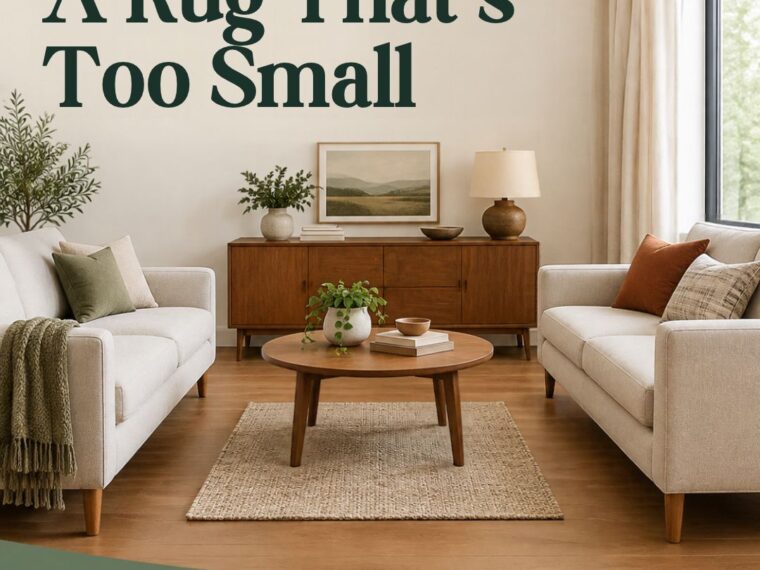
Furniture proportions matter more than many people realize. A tiny rug beneath a large sofa, a miniature coffee table in a spacious living room, or several undersized decorative pieces can make a room feel awkward.
The goal is to create balance between the size of the furniture and the dimensions of the space.
For example, a living room usually benefits from a rug large enough to visually connect the seating area. Similarly, a coffee table should be proportionate to the sofa rather than looking like an isolated little object.
Before buying furniture, measure your room and consider how each piece will relate to the others.
6. Matching Everything Perfectly
Buying an entire furniture set in exactly the same finish might seem like the safest decorating decision. However, when the sofa, coffee table, TV unit, dining table, and cabinets all look identical, the interior can feel flat and lacking in personality.
Beautiful interiors usually combine complementary materials, finishes, and shapes.
Try mixing wood tones with metal accents, pairing upholstered furniture with natural textures, or introducing a contrasting accent chair.
The secret is to create a consistent color palette while allowing individual pieces to have their own character.
7. Overusing Artificial Flowers and Plants
Artificial greenery can be a practical decorating solution, especially in areas where natural plants struggle to survive. However, poor-quality plastic flowers and dusty artificial arrangements can make a home look less polished.
If you prefer artificial plants, invest in realistic-looking options with natural colors and varied textures. Avoid overly bright colors and arrangements that look unnaturally perfect.
Alternatively, introduce low-maintenance real plants such as pothos, snake plants, or ZZ plants, depending on the light conditions in your home.
A little greenery adds life and softness without requiring excessive decoration.
8. Cheap-Looking Wall Art
Empty walls can make a room feel unfinished, but filling them with random prints, tiny frames, or poorly coordinated artwork doesn’t necessarily improve the situation.
Wall art should complement the scale, colors, and style of the room.
Instead of displaying many unrelated pictures, consider one larger artwork above the sofa or a carefully arranged gallery wall. Choose frames with consistent finishes and artwork that shares a similar color palette.
Even affordable prints can look beautiful when they are properly framed and thoughtfully positioned.
9. Too Many Different Colors
Color is an important part of interior design, but using too many unrelated shades can make a home feel visually chaotic.
A room doesn’t need to be completely neutral to look elegant. However, it benefits from a clear color direction.
A simple approach is to choose a dominant color, a secondary shade, and one or two accent colors. For example, warm white, beige, and natural wood can be complemented with olive green or terracotta.
This doesn’t mean every room must look identical. Instead, use a few recurring colors throughout the home to create a sense of continuity.
10. Ignoring the Small Details
Sometimes, what makes a home look neglected isn’t the furniture but the condition of the little things.
Chipped paint, loose cabinet handles, scratched furniture, stained switches, damaged skirting boards, and worn-out door hardware can make an otherwise attractive interior feel poorly maintained.
These details are easy to overlook because they are part of everyday life.
Take some time to inspect your home and identify small repairs that need attention. Replace damaged handles, touch up paint, clean switches, and repair loose fittings.
A well-maintained home often looks more expensive than one filled with expensive but poorly cared-for furniture.
11. Overdecorated Walls and Ceilings
Decorative wall panels, elaborate moldings, textured finishes, and statement ceilings can look beautiful when used thoughtfully.
The problem starts when too many decorative elements compete for attention.
Combining intricate wall patterns, heavy moldings, decorative mirrors, bold wallpaper, and elaborate ceiling details can overwhelm a room.
Instead, choose one main feature and allow it to stand out. A simple paneled wall, an elegant wallpaper design, or understated molding can create plenty of visual interest without making the space feel crowded.
12. Visible Clutter on Kitchen Countertops
The kitchen is one of the areas where clutter becomes particularly noticeable. Appliances, food packaging, cleaning products, plastic containers, and miscellaneous objects can quickly take over the countertops.
Even a beautiful kitchen can look disorganized when there is little visible workspace.
Keep frequently used essentials accessible, but store everything else inside cabinets or drawers. Use matching containers for dry ingredients, a tray to organize cooking oils, and discreet storage solutions for everyday items.
The aim isn’t to create an unrealistic showroom kitchen. It’s simply to make the space feel clean, functional, and organized.
13. Poorly Made or Ill-Fitting Bedding
Your bedroom should feel comfortable, peaceful, and inviting. However, wrinkled bedding, mismatched pillowcases, worn-out bedspreads, and poorly fitting sheets can make it look less put together.
You don’t need expensive hotel-quality bedding to create a beautiful bedroom.
Choose simple bedding in complementary colors and pay attention to texture. Cotton, linen, and soft quilted fabrics can add depth without making the bed look overly decorated.
A neatly made bed, two or three well-chosen cushions, and a coordinated throw are often enough to create a polished look.
14. Rugs That Don’t Complement the Space
A rug can bring an entire room together, but the wrong size, color, or pattern can disrupt the balance.
A common mistake is choosing a rug that is too small for the seating arrangement. This can make furniture appear disconnected and the room feel smaller.
Another issue is introducing a rug with colors or patterns that compete with the rest of the decor.
Choose a size that relates to your furniture arrangement, and consider how its texture and colors interact with the flooring, sofa, curtains, and other textiles.
Natural-looking materials, subtle patterns, and understated colors are often versatile choices.
15. Following Every Decorating Trend
Trends can be inspiring, but decorating your entire home around every new interior design craze can make it feel inconsistent.
One year, a particular furniture shape becomes popular. The next year, a different color palette or decorative material takes over. Constantly replacing furniture and accessories can also become expensive.
Instead, build your home around timeless foundations: comfortable furniture, quality-looking materials, balanced proportions, and colors you genuinely enjoy.
You can still incorporate trends through smaller, affordable accessories such as cushions, decorative objects, artwork, and throws.
This allows your home to evolve without requiring a complete makeover every time interior design trends change.
Final Thoughts: An Expensive-Looking Home Is All About the Details
Creating a beautiful home doesn’t require a designer budget or expensive furniture. More often, it comes down to making thoughtful choices and avoiding unnecessary visual distractions.
Start by decluttering your surfaces, improving your lighting, choosing appropriately sized furniture, and creating a cohesive color palette. Pay attention to the smaller details, too, because clean finishes and well-maintained spaces can make a remarkable difference.
Most importantly, don’t confuse an expensive-looking home with a home filled with expensive things. A welcoming, well-organized interior with beautiful textures, balanced colors, and personal touches will always have more character than a room simply filled with costly decorations.
The best interiors aren’t necessarily the ones that follow every rule. They’re the ones where everything feels considered, comfortable, and naturally connected.