
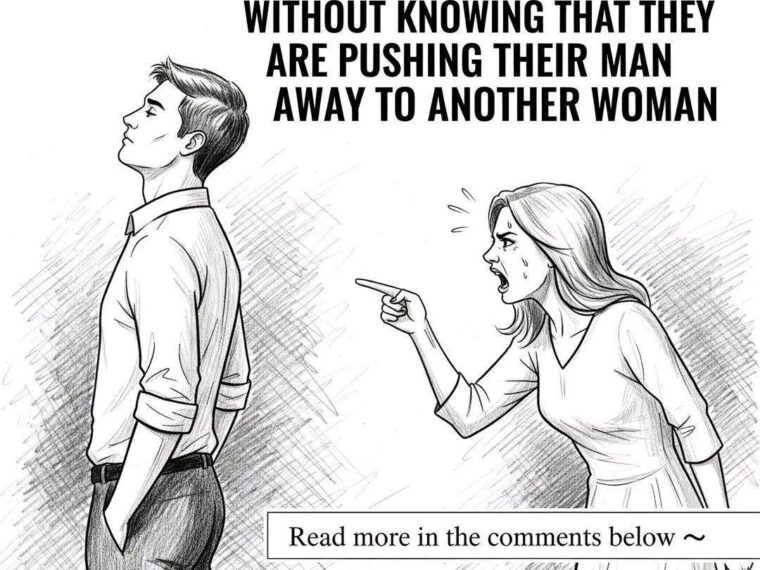
“If they loved me, they would automatically know.”
Unfortunately, mind-reading is not a realistic relationship skill.
What Helps?
Communicate needs directly and respectfully.
Clear communication often prevents misunderstandings before resentment develops.
4. Taking the Relationship for Granted
Long-term relationships naturally become familiar.
However, familiarity can sometimes reduce intentional effort.
People may stop doing things they once did naturally:
- Compliments
- Affection
- Dates
- Thoughtful gestures
What Helps?
Continue investing in the relationship even after many years together.
Small efforts often have a larger impact than grand gestures.
5. Avoiding Difficult Conversations
Some people dislike conflict so much that they avoid discussing problems entirely.
Unfortunately, unaddressed issues often grow rather than disappear.
Avoidance can create:
- Resentment
- Misunderstanding
- Emotional distance
What Helps?
Address concerns early and calmly.
Healthy conflict resolution generally strengthens relationships more than pretending problems don’t exist.
6. Comparing Your Partner to Others
Comparisons can be damaging whether they involve:
- Friends
- Family members
- Former partners
- Social media couples
Every relationship has unique strengths and challenges.
What Helps?
Focus on improving your own relationship rather than measuring it against idealized versions of others.
Many seemingly perfect relationships have struggles that remain unseen.
7. Letting Stress Control Interactions
Stress from work, finances, health concerns, or daily responsibilities often affects romantic relationships.
People sometimes direct frustration toward the person closest to them.
What Helps?
Recognize when stress is influencing communication.
Instead of reacting immediately, consider:
- Taking a break
- Going for a walk
- Returning to the conversation later
Emotional regulation often prevents unnecessary conflict.
8. Stopping Personal Growth
Healthy relationships involve both togetherness and individuality.
When one partner abandons:
- Personal interests
- Goals
- Friendships
- Growth opportunities
the relationship can become unbalanced.
What Helps?
Continue developing as an individual while nurturing the partnership.
Personal fulfillment often contributes positively to relationship satisfaction.
What Research Says About Strong Relationships
Relationship studies consistently identify several qualities associated with long-term satisfaction:
Respect
Partners feel heard and valued.
Trust
People feel emotionally safe with one another.
Communication
Problems are discussed openly rather than ignored.
Appreciation
Positive interactions significantly outnumber negative ones.
Friendship
Many successful couples describe each other as best friends.
The Importance of Emotional Safety
Psychologists often emphasize emotional safety as a foundation for healthy relationships.
People are more likely to:
- Share vulnerabilities
- Express needs
- Admit mistakes
when they believe they will not be mocked, dismissed, or attacked.
Creating emotional safety encourages deeper connection.
Relationships Are Rarely One-Sided
Articles that blame only one partner often oversimplify relationship dynamics.
In reality, most relationship challenges involve patterns that develop between two people over time.
Healthy relationships usually improve when both partners focus on:
- Understanding
- Communication
- Accountability
- Mutual effort
rather than assigning blame.
Small Habits Matter
The strongest relationships are often built through everyday actions such as:
- Saying thank you
- Listening attentively
- Showing affection
- Being reliable
- Offering support during difficult times
These small behaviors accumulate over months and years.
Final Thoughts
Relationship distance usually develops gradually through repeated habits rather than dramatic events.
Common patterns that can create emotional gaps include:
- Excessive criticism
- Neglecting emotional intimacy
- Unspoken expectations
- Taking each other for granted
- Avoiding difficult conversations
- Comparisons
- Stress-driven interactions
- Lack of personal growth
The good news is that small, consistent changes can often strengthen connection and improve relationship satisfaction.
Healthy relationships are not built on perfection.
They are built on two people repeatedly choosing understanding, respect, communication, and care. ❤️