
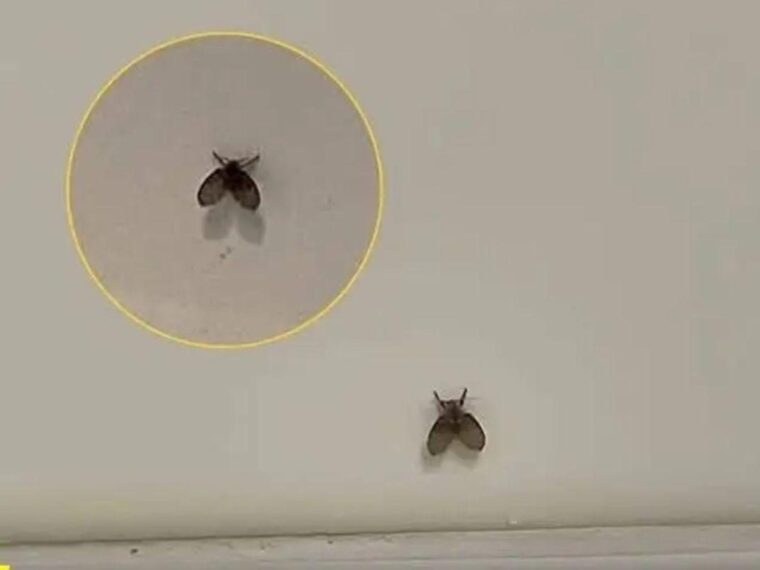
Bathrooms naturally create the exact environment drain flies prefer:
- Warmth
- Humidity
- Moisture
- Organic residue
Poor ventilation makes the problem worse because damp conditions last longer.
This is especially common in:
- Rarely cleaned drains
- Older plumbing systems
- Homes with persistent moisture issues
How Their Life Cycle Works
Drain flies lay eggs inside moist organic buildup.
The life cycle generally includes:
- Eggs laid in biofilm
- Larvae feeding on organic material
- Pupae developing in damp areas
- Adult flies emerging
Because larvae live inside drains, simply killing visible adult flies rarely solves the root problem.
The breeding source must be cleaned.
How to Identify the Source
One simple method sometimes recommended is placing transparent tape loosely over a drain overnight.
If flies become trapped underneath after several hours, that drain is likely the breeding location.
This can help narrow down the problem area.
How to Reduce Drain Flies
The most effective solution focuses on eliminating:
- Moisture buildup
- Organic slime
- Standing debris
1. Clean the Drains Thoroughly
Scrubbing drain walls physically is important because larvae cling to biofilm inside pipes.
Helpful tools may include:
- Drain brushes
- Pipe-cleaning brushes
Hot water alone often does not fully remove buildup.
2. Reduce Moisture
Improving ventilation may help by:
- Using exhaust fans
- Opening windows
- Fixing leaks
- Drying wet surfaces
Drain flies struggle more in dry environments.
3. Repair Plumbing Problems
Persistent infestations sometimes indicate:
- Pipe leaks
- Drainage issues
- Hidden moisture accumulation
In these cases, plumbing inspection may be useful.
4. Keep Drains Regularly Maintained
Routine maintenance helps prevent future buildup.
This may include:
- Flushing drains
- Cleaning residue regularly
- Removing hair accumulation
- Avoiding stagnant water
Why People Often Ignore Them Initially
Because drain flies are:
- Tiny
- Slow-moving
- Quiet
many people initially mistake them for harmless random insects.
However, repeated appearances usually mean they are reproducing nearby rather than entering randomly from outdoors.
The Psychological Effect of Household Pests
Even harmless insects can create strong emotional discomfort because humans naturally react strongly to:
- Contamination concerns
- Unexpected movement
- Poor sanitation signals
Tiny recurring pests often feel especially stressful because they suggest something hidden may be happening inside the home environment.
Drain Flies vs Fruit Flies
People sometimes confuse drain flies with Fruit fly.
Key differences:
- Drain flies appear fuzzy and moth-like
- Fruit flies are smoother and tan-colored
- Drain flies stay near moisture
- Fruit flies gather around food and fruit
Correct identification helps target the source more effectively.
Why Ventilation Matters
Poor airflow allows:
- Humidity accumulation
- Condensation
- Mold growth
- Organic decay
Ventilation is therefore important not only for comfort but also for controlling insects that thrive in damp environments.
When Professional Help May Be Needed
Professional pest or plumbing assistance may help if:
- Flies persist despite cleaning
- Multiple drains are affected
- There is hidden water damage
- Strong sewage odors appear
Persistent infestations sometimes indicate deeper plumbing problems.
Final Thoughts
Drain fly are usually not random visitors. Their presence often points toward moisture, organic buildup, or drainage issues hidden somewhere in the home.
Although they are generally harmless, they serve as small warning signs that cleaning, ventilation, or plumbing maintenance may need attention.
Sometimes the tiny insects people ignore at first are actually revealing bigger environmental problems quietly developing beneath the surface.