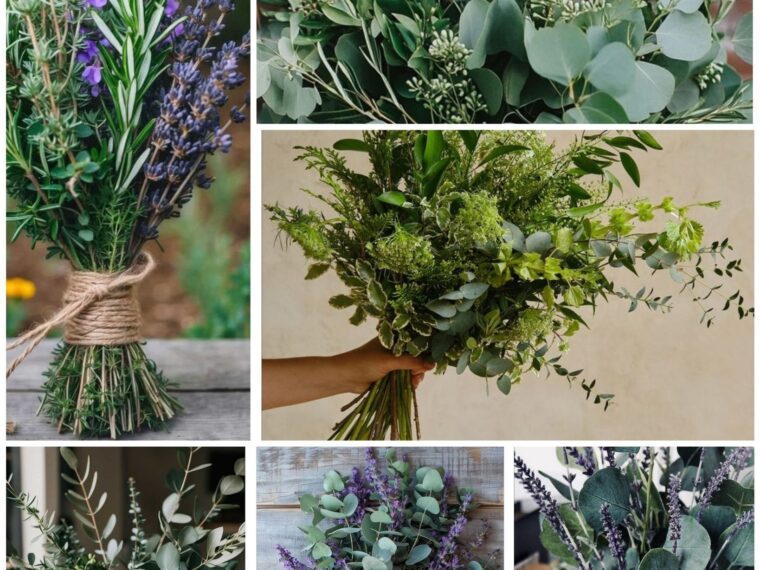
Natural branches and foliage add a fresh, elegant touch to any décor, but over time they tend to dry out and lose their color. One of the simplest and most effective ways to keep them looking beautiful for much longer is by preserving them with vegetable glycerin. This method helps leaves remain flexible, prevents them from becoming brittle, and extends their natural appearance—making it ideal for floral arrangements, decorative wreaths, and craft projects.
Why Use Glycerin?
Glycerin acts as a substitute for water in plant tissues. The foliage absorbs the glycerin mixture, and instead of drying out, it stays supple and visually fresh for months—or even years. Unlike traditional air-drying, which often leaves branches stiff and fragile, glycerin preservation maintains a more realistic texture and long-lasting finish.
Materials
- Fresh branches or foliage (preferably recently cut)
- Liquid vegetable glycerin (available at pharmacies or health food stores)
- A glass or plastic container
- Pruning shears or scissors
Procedure
1. Select the Right Branches and Leaves
Choose foliage with a firm texture and branches that are not overly woody. Plants with broad leaves—such as eucalyptus, bay laurel, or magnolia—tend to give the best results.
2. Prepare the Glycerin Solution
Mix one part glycerin with two parts water. Use warm water to help dissolve the glycerin completely, then allow the mixture to cool fully before use.
3. Cut the Branches at an Angle
Make a diagonal cut at the base of each stem to improve liquid absorption. If the branch is thick, gently tap the cut end with a hammer to open the fibers and help the solution penetrate more easily.
4. Place the Branches in the Container
Set the stems into the glycerin solution, making sure at least 8–10 cm (3–4 inches) of each stem is submerged.
5. Let Them Rest
Place the container in a cool, dark area for two weeks or longer, depending on the type of foliage. The process is complete when the leaves darken slightly or develop a glossy appearance and feel flexible to the touch.
6. Remove and Dry
Once preserved, remove the branches and gently wipe off excess glycerin with a cloth. Make a straight cut at the base of the stem, then hang the branches upside down for a full day. This helps prevent excess liquid from leaking and ensures it is fully absorbed into the leaves.
Helpful Tips
- Avoid exposing preserved foliage to direct sunlight, as it may affect the color over time.
- This technique works not only for branches and leaves but also for certain types of flowers.
Uses for Preserved Foliage
- Long-lasting floral arrangements
- Rustic table centerpieces
- Decorative garlands and wreaths
- Seasonal crafts, such as autumn or Christmas decorations