
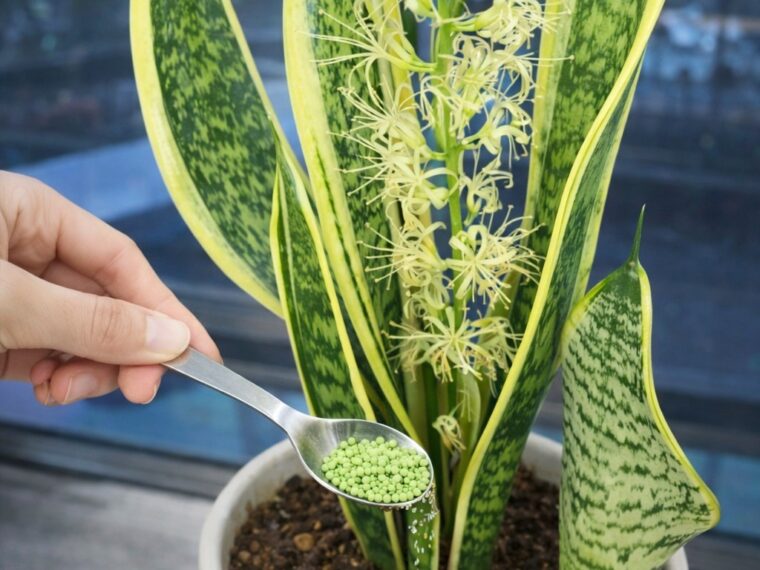
Snake plants, also known as Dracaena trifasciata (previously Sansevieria), are among the most popular indoor plants worldwide. Their striking, upright leaves, low-maintenance nature, and tolerance for low light make them ideal for beginners and seasoned plant enthusiasts alike. Despite their hardy reputation, many people are surprised to learn that snake plants can actually bloom. While flowering is rare, under the right conditions, these plants can produce delicate, fragrant flowers that are a true treat for indoor gardeners.
If you’ve ever admired your snake plant and wondered if it could produce blossoms, this guide will show you how to encourage your plant to flower, and what to expect when it does.
Can Snake Plants Really Bloom?
The answer is yes — snake plants can bloom, but it doesn’t happen often. Flowering is usually triggered by a combination of age, plant maturity, light conditions, temperature, and even mild stress. Most indoor plants are grown for their foliage, so seeing a snake plant bloom can feel like a rare and exciting event.
Snake plant flowers are generally tall stalks rising above the foliage, adorned with clusters of small, tubular flowers. These blooms can vary in color, ranging from white, cream, greenish-white, to pale yellow, and often emit a strong, sweet fragrance reminiscent of honeysuckle or lilies. However, the flowers produce sticky nectar that can sometimes attract pests, so it’s important to monitor your plant carefully during bloom.
How to Make Your Snake Plant Bloom
While flowering can’t be guaranteed, you can maximize your snake plant’s chances by providing optimal care and the right conditions. Here’s how:
1. Provide Bright, Indirect Light
Snake plants are known for surviving in low-light conditions, which makes them perfect for offices and dim corners. However, flowering requires more light. To encourage blooms, place your plant near a window where it receives bright, indirect light for several hours each day.
Avoid harsh, direct sunlight, as it can scorch the leaves. If natural light is limited, a grow light can substitute effectively, giving your plant the energy it needs to flower. Bright, indirect light helps the plant produce enough energy for the demanding process of flowering.
2. Avoid Overwatering and Use Well-Draining Soil
Overwatering is one of the most common mistakes with snake plants. They are remarkably drought-tolerant, earning a reputation as the “camels of the plant world.” Excessive water can lead to root rot, which can weaken or even kill the plant.
To prevent this:
- Allow the soil to dry out completely between waterings.
- Use a well-draining soil mix, ideally formulated for succulents or cacti, to prevent water from pooling around the roots.
During flowering, maintaining this balance is critical. The plant needs energy to produce flowers, and root rot can drain that energy entirely.
3. Maintain Proper Temperature
Next page