
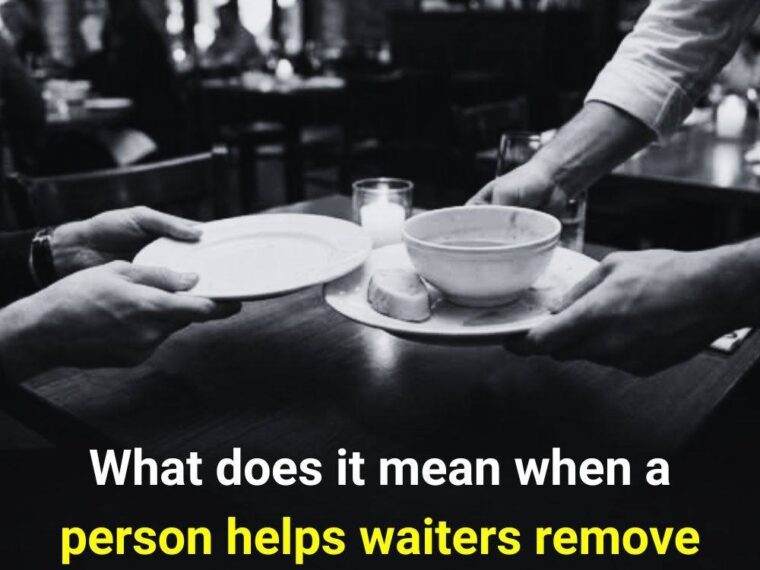
It’s a scene many of us have witnessed at restaurants: a diner instinctively reaches to help a server stack plates, gather glasses, or push in a chair. At first glance, it might seem like a simple act of courtesy or manners. However, psychologists suggest that this small gesture can reveal profound insights about a person’s character, empathy, and social intelligence.
Let’s explore what this behavior really says about someone.
1. High Empathy and Perspective-Taking
People who help clear a table often demonstrate a strong ability to step into another person’s shoes. They notice the physical effort involved in serving — carrying heavy trays, balancing multiple plates, or navigating a crowded room — and instinctively aim to ease that burden.
According to psychologists, this shows a heightened sense of empathy. These individuals aren’t just performing a polite gesture; they are actively considering the server’s experience and acting in ways that reduce strain and improve efficiency. This skill of perspective-taking is a hallmark of emotional intelligence and social awareness.
2. Social Responsibility and Cooperation
Helping a waiter clear a table reflects a sense of shared responsibility. Psychologists explain that these people understand the social dynamics of communal spaces. They recognize that keeping the environment orderly benefits everyone, not just themselves.
- They often show cooperative behavior in other areas of life, such as teamwork at work or volunteering in their communities.
- They are less likely to operate solely out of self-interest and more inclined to contribute to group well-being.
This behavior aligns with studies that link small acts of kindness to broader prosocial tendencies.
3. Emotional Intelligence in Action
Emotional intelligence (EI) involves recognizing emotions in yourself and others and responding appropriately. Helping a server demonstrates EI in several ways:
- Awareness: Noticing that the waiter may be stressed, busy, or physically challenged.
- Regulation: Choosing to act calmly and helpfully rather than ignoring the situation.
- Empathy: Showing concern for someone else’s workload.
These traits suggest that people who step in to assist often excel in understanding and managing both their own emotions and those of others — a key predictor of success in personal and professional relationships.
4. Politeness and Social Norm Adherence
Cultural and social norms also play a role. Many individuals are raised with manners that emphasize helping others in communal settings, especially in restaurants or shared spaces.
- Offering assistance to a server is a visible demonstration of courtesy and respect.
- It signals to others that the person values social harmony and etiquette.
Interestingly, psychologists note that the motivation matters: the most insightful acts come from genuine concern rather than a desire to impress or gain approval.
5. Attention to Detail and Situational Awareness
Helping a waiter often requires noticing subtle cues: plates ready to be cleared, trays stacked precariously, or glasses needing a refill. This ability indicates high situational awareness.
- People who notice these details tend to be observant, mindful, and proactive.
- They are also likely to anticipate problems before they escalate, a trait valuable both socially and professionally.
By observing the environment and acting accordingly, these individuals demonstrate a blend of attentiveness and initiative.
6. Implications for Personality
While one act doesn’t define a person entirely, psychologists suggest that consistent behaviors like helping waiters can hint at certain personality traits:
- Agreeableness: A natural tendency to be cooperative, kind, and considerate.
- Conscientiousness: Care for the well-being of others and responsibility toward shared spaces.
- Altruism: A willingness to help without expecting anything in return.
In short, this simple gesture can reveal someone who is socially attuned, emotionally intelligent, and morally conscientious.
7. Ripple Effect of Small Acts
Research shows that small acts of kindness, like helping a waiter, have cascading effects:
- They improve the server’s day, reducing stress and fatigue.
- They set a positive example for other diners, subtly encouraging similar behavior.
- They contribute to a culture of empathy in everyday interactions.
Even brief, seemingly minor behaviors can influence broader social dynamics, making the world slightly more cooperative and compassionate.
8. When Helping Becomes Habitual
People who frequently assist waitstaff are often the ones who:
- Volunteer regularly in their communities.
- Offer help to colleagues, friends, and even strangers.
- Approach life with a service-oriented mindset, prioritizing the needs of others alongside their own.
In essence, the act of clearing a table is a microcosm of how these individuals interact with the world: thoughtful, considerate, and socially aware.
Conclusion :
Next time you see someone helping a waiter clear plates, glasses, or chairs, remember: it’s more than a polite gesture. Psychologists reveal that this simple act reflects high empathy, social intelligence, conscientiousness, and altruism.
By taking a moment to assist, a person demonstrates mindfulness, perspective-taking, and respect for shared spaces, all while contributing positively to the social environment. Small gestures like this remind us that character is often revealed in everyday actions, not grand statements or awards.
So, the next time you instinctively lend a hand at a restaurant, know that psychologists would likely applaud you — not for the act itself, but for what it reveals about your thoughtfulness, empathy, and emotional intelligence.