
Treatment depends entirely on the underlying cause of the white spots.
For IGH
No treatment is necessary, as it is a harmless condition. Some people choose cosmetic treatments, such as topical retinoids or mild procedures, but results vary.
For Fungal Infections
Antifungal treatments are typically very effective. These may include:
- Topical creams or lotions
- Medicated shampoos applied to the skin
- Oral antifungal medications in more persistent cases
With proper treatment, the infection can be cleared, although pigment restoration may take time.
For Dry Skin
Regular use of moisturizers can significantly improve skin appearance. Ingredients like glycerin, ceramides, and urea help restore hydration and strengthen the skin barrier.
For Nutritional Deficiencies
Correcting the deficiency through diet or supplements can improve overall skin health. A balanced diet rich in fruits, vegetables, proteins, and essential vitamins supports proper pigmentation.
For Vitiligo
Treatment may include:
- Topical corticosteroids
- Calcineurin inhibitors
- Phototherapy (light therapy)
- Depigmentation therapy in advanced cases
While vitiligo cannot always be reversed, treatment can help slow progression and improve appearance.
Prevention and Daily Care
Taking care of your skin daily can help prevent or minimize white spots.
Sun Protection
Exposure to UV rays is one of the main contributors to pigmentation changes. Applying a broad-spectrum sunscreen with SPF 30 or higher every day is essential. Reapplication every two hours when outdoors provides better protection.
Hydration
Keeping the skin moisturized reduces dryness and improves overall texture. Well-hydrated skin appears more even and healthy.
Balanced Diet
Nutrients play a key role in skin health. Consuming foods rich in vitamins (especially B12 and D), minerals, and antioxidants helps maintain normal pigmentation.
Hygiene and Clothing
Wearing breathable fabrics and keeping the skin clean and dry can prevent fungal overgrowth. This is especially important in warm or humid environments.
Lifestyle Factors That Matter
Your daily habits can influence your skin more than you might expect.
- Stress management: Chronic stress can affect immune function and may contribute to certain skin conditions
- Sleep quality: Skin repairs itself during sleep, making rest essential for healthy skin
- Avoiding smoking and excess alcohol: These can impair circulation and nutrient absorption
- Environmental protection: Pollution and harsh weather can damage the skin barrier over time
Small lifestyle changes can make a noticeable difference in maintaining even skin tone.
Common Myths and Misconceptions
There are many misunderstandings about white spots on the skin:
- “All white spots are serious” – Most are harmless and related to common factors
- “They are always contagious” – Only fungal causes are potentially contagious
- “They cannot be treated” – Many causes are manageable or reversible
- “Home remedies always work” – Incorrect treatments can sometimes worsen the condition
Accurate information is essential to avoid unnecessary worry or ineffective treatments.
Psychological and Emotional Impact
Even when medically harmless, visible skin changes can affect self-confidence. White spots may lead to self-consciousness, especially if they appear in noticeable areas.
Understanding that these conditions are common and often manageable can reduce anxiety. Seeking professional advice provides clarity and reassurance. In some cases, emotional support or counseling can also be helpful.
Final Thoughts
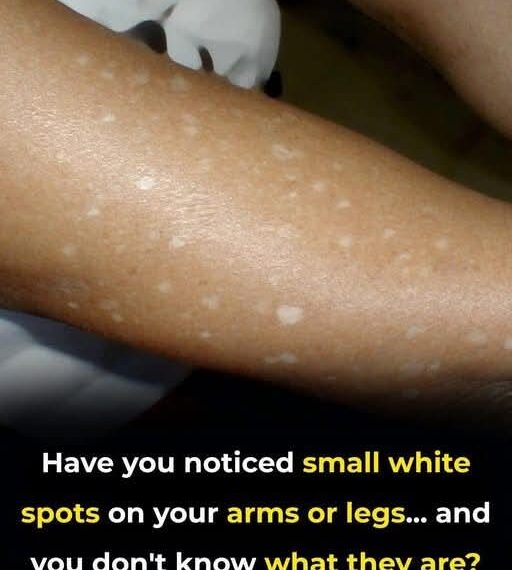
Small white spots on the arms and legs are usually harmless and often linked to sun exposure, aging, or minor skin conditions. However, recognizing their cause is important to determine whether they require treatment or simple lifestyle adjustments.
By protecting your skin, maintaining a healthy routine, and seeking medical advice when necessary, you can effectively manage and reduce their appearance. Staying informed and proactive is the best way to support long-term skin health and confidence.