
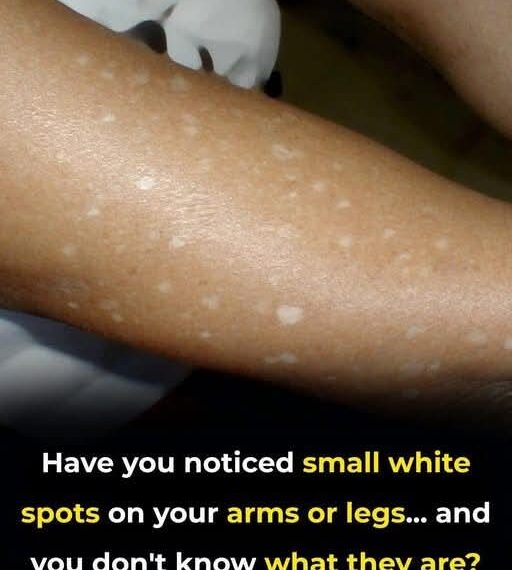
Noticing small white spots on your arms or legs can be unsettling, especially if you are unsure of what they mean. Changes in skin color often draw immediate attention because they can appear suddenly or become more visible over time. While these spots are often harmless, they can sometimes reflect underlying conditions related to skin health, pigmentation, or lifestyle factors. Understanding the possible causes, warning signs, and care options can help you determine whether they require medical attention or simple adjustments in your daily routine.
Understanding Skin Pigmentation
To understand why white spots appear, it helps to know how skin gets its color. The pigment responsible for skin tone is called melanin, which is produced by specialized cells known as melanocytes. When these cells produce less melanin in certain areas, the skin can appear lighter or white compared to the surrounding tissue.
This reduction in pigmentation can happen for many reasons, including aging, sun exposure, infections, or immune-related processes. In most cases, the change is localized and not dangerous, but identifying the cause is key to proper management.
Common Causes of White Spots
Idiopathic Guttate Hypomelanosis (IGH)
This is one of the most common causes of small white spots, especially on sun-exposed areas such as the arms and legs. IGH appears as tiny, round or oval white spots that tend to increase with age. It is strongly associated with long-term sun exposure and natural skin aging. The condition is benign and does not require treatment, although the spots may remain permanent.
Sun Damage
Excessive exposure to ultraviolet (UV) rays can damage melanocytes, leading to uneven pigmentation. Over time, this damage may result in lighter patches on the skin. These spots are often more noticeable in individuals who spend significant time outdoors without adequate sun protection.
Fungal Infections (Tinea Versicolor)
Tinea versicolor is a superficial fungal infection caused by yeast that naturally lives on the skin. Under certain conditions—such as heat, humidity, or excessive sweating—the fungus can overgrow and interfere with normal pigmentation. This results in patches that may appear white, pink, or slightly brown. These patches can sometimes itch and may become more visible after sun exposure.
Nutritional Deficiencies
Deficiencies in certain nutrients—particularly vitamin B12, vitamin D, calcium, and iron—can affect skin health and pigmentation. While this is not the most common cause, it can contribute to uneven skin tone in some individuals, especially when combined with other factors.
Dry Skin
In some cases, white spots are simply areas of dry or flaky skin. When the skin lacks moisture, it can reflect light differently, making certain patches appear lighter. This is usually temporary and improves with proper hydration and skincare.
Vitiligo
Vitiligo is a chronic autoimmune condition in which the body’s immune system attacks melanocytes. This leads to well-defined white patches that may expand over time. Unlike IGH, vitiligo often affects multiple areas of the body and can progress unpredictably. It requires medical evaluation and, in some cases, long-term management.
When to Seek Medical Advice
Most white spots are harmless, but certain signs should not be ignored. You should consider consulting a healthcare professional if:
- The spots are spreading quickly or increasing in number
- There is itching, redness, pain, or scaling
- The patches have irregular shapes or unclear borders
- The discoloration appears suddenly without an obvious cause
- You have a personal or family history of autoimmune diseases
- The condition is affecting your confidence or quality of life
Early evaluation can help identify the cause and prevent unnecessary worry or complications.
Diagnosis and Evaluation
A healthcare provider, typically a dermatologist, will begin with a visual examination of your skin. The pattern, size, and location of the spots often provide strong clues about their origin.
In some cases, additional tests may be recommended:
- Wood’s lamp examination: A special ultraviolet light is used to highlight pigmentation differences and detect fungal infections or vitiligo
- Skin scraping: A small sample of skin may be examined under a microscope to confirm fungal presence
- Blood tests: These may help identify nutritional deficiencies or autoimmune markers
- Skin biopsy: Rarely needed, but useful if the diagnosis remains unclear
These diagnostic steps are generally quick and help ensure accurate treatment.
Treatment Options
Next page