Here are practical tips supported by food experts:
✔ Check the Label Carefully
- Look for “Extra Virgin Olive Oil”
- Check origin (single country is better than blends)
✔ Look for Certification
- PDO (Protected Designation of Origin)
- PGI labels
- Quality seals from recognized bodies
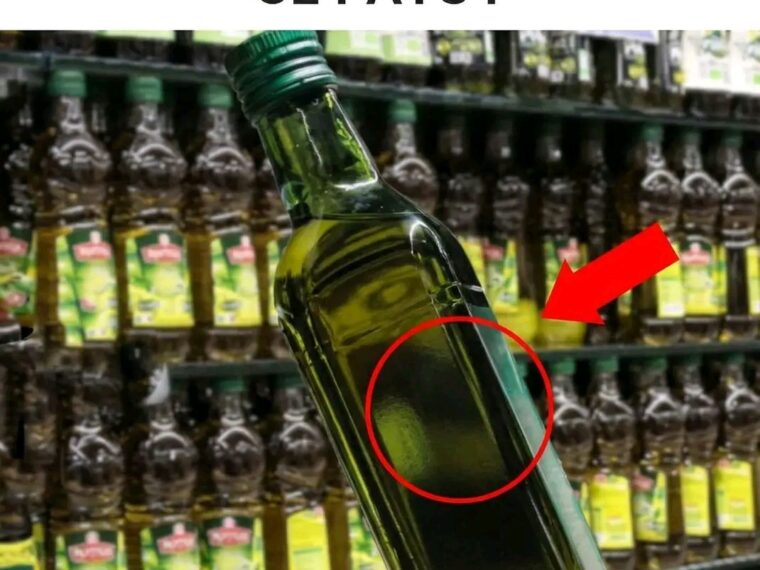
✔ Choose Dark Glass Bottles
- Protects oil from light damage
- Helps preserve quality
✔ Check Harvest Date
- Fresher oil = better quality
- Ideally within the last 12–18 months
✔ Be Careful with Very Cheap Prices
- Real extra virgin olive oil is costly to produce
- Extremely low prices may indicate lower quality
🧠 Common Myths About Olive Oil
❌ “Most olive oil is fake”
👉 Not supported by global data
❌ “Fake olive oil is always dangerous”
👉 Usually not toxic, but lower quality
❌ “You can easily detect fake oil at home”
👉 Very difficult without lab testing
💬 Final Thoughts
Olive oil fraud is real—but often exaggerated online.
✔ Yes, mislabeling and adulteration exist
✔ Yes, you should choose carefully
❌ But claims like “80% of olive oil is fake” are not verified
The best approach is simple:
👉 Stay informed
👉 Buy from trusted sources
👉 Focus on quality, not fear
Pages: 1 2