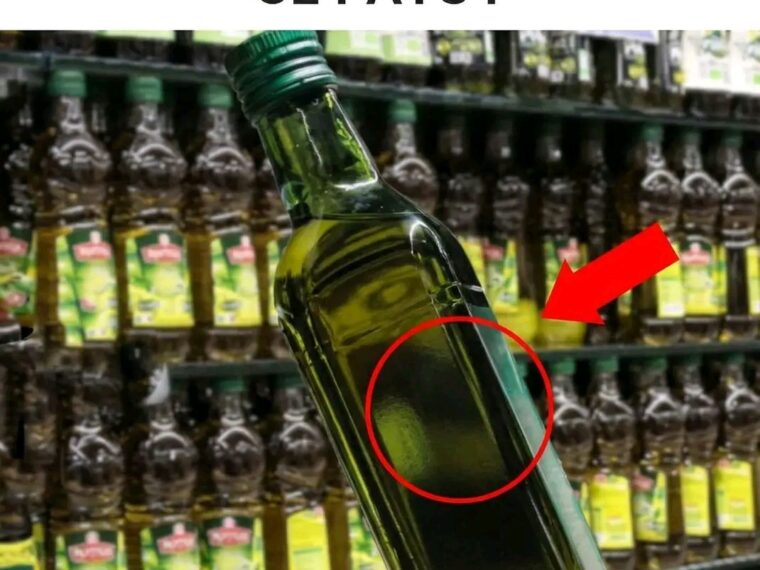
You may have seen alarming headlines like: “80% of olive oil is fake.”
While olive oil fraud does exist, this claim is not supported by reliable global data.
👉 I cannot confirm that “80% of olive oil is fake” because no major scientific or regulatory body reports such a figure.
However, there is a real issue worth understanding.
🫒 What Is Olive Oil Fraud?

4
Olive oil fraud typically involves:
- Mixing olive oil with cheaper vegetable oils
- Mislabeling lower-quality oil as extra virgin
- Selling old or degraded oil as fresh
This is considered food fraud and is monitored by international authorities.
⚠️ Is It Dangerous?
In most cases:
✔ Fraudulent olive oil is not immediately toxic
❌ But it may be:
- Lower in nutrients
- Oxidized (less healthy fats)
- Misleading in quality
👉 According to the European Commission and food fraud reports, the main concern is consumer deception and reduced quality, not acute poisoning.
🌍 Where Does Olive Oil Fraud Occur?
Fraud is not limited to one country.
It can happen anywhere in the supply chain, including:
- Production
- Export
- Bottling
- Distribution
Important clarification:
❌ Lists claiming “top 10 countries with fake olive oil” are often misleading or not based on official data
👉 I cannot confirm specific percentages like “10% of a country’s oil is fake” without verifiable sources.
🧪 How Olive Oil Quality Is Actually Tested
Authentic extra virgin olive oil must meet strict criteria:
- Low acidity (≤ 0.8%)
- No sensory defects (taste/smell)
- Proper chemical composition
Testing is done using:
- Laboratory analysis
- Sensory panels (trained tasters)
Organizations involved include:
- The International Olive Council
- European and national food safety authorities
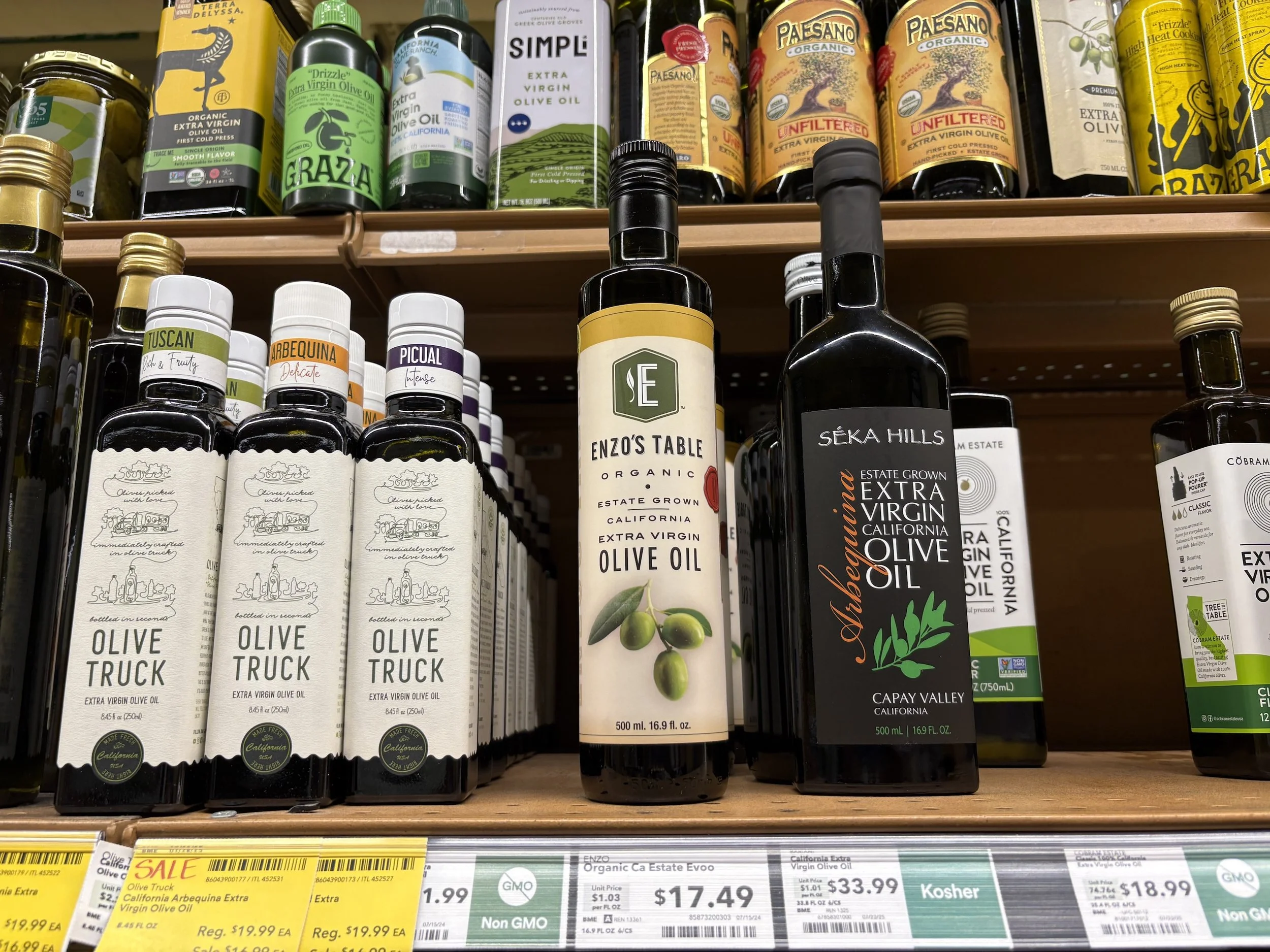
🛒 How to Choose Real Olive Oil
Next page