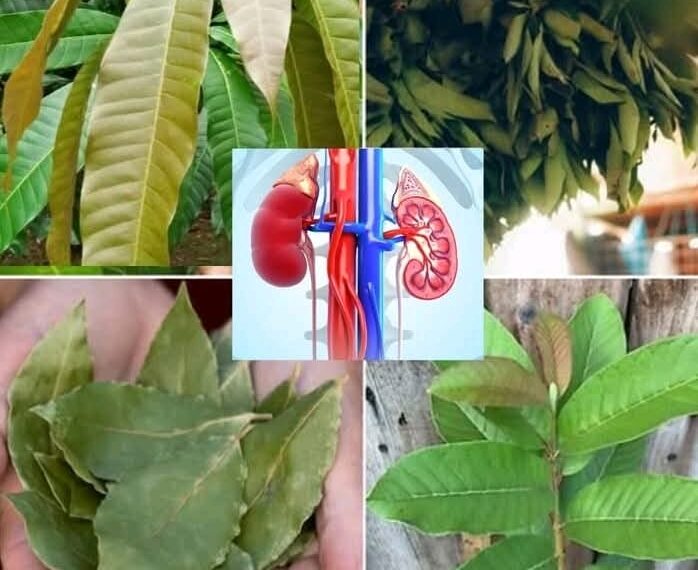
Natural plant leaves have long been used in traditional medicine across Africa, Asia, and Latin America to support general health. Some of these leaves contain bioactive compounds such as antioxidants, flavonoids, and polyphenols, which are being studied for their potential role in supporting metabolic health.
However, it is important to clarify:
👉 These leaves do not replace medical treatment
👉 Effects vary between individuals
👉 Strong claims like “curing diabetes or cancer” are not scientifically confirmed
Below are four commonly used leaves and what research suggests about them.
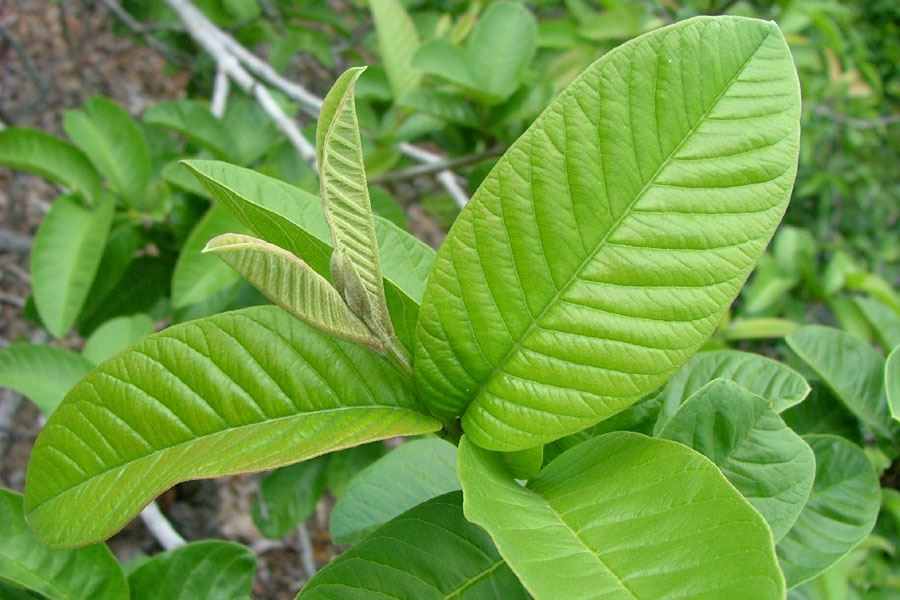
🌿 Leaf 1: Guava Leaves
(From Psidium guajava)


4
Guava leaves are widely used in herbal medicine, especially for digestive and metabolic support.
What science suggests:
- Guava leaves contain quercetin, a flavonoid with antioxidant properties
- Some studies suggest they may slow carbohydrate digestion by inhibiting enzymes like alpha-glucosidase
- This may help reduce post-meal blood sugar spikes
Evidence:
- A study published in the Nutrition & Metabolism Journal (2010) found that guava leaf tea may help improve blood glucose control in some individuals with type 2 diabetes
- However, results vary and are not a replacement for medication
Potential benefits:
- Supports blood sugar regulation
- Provides antioxidants
- May aid digestion
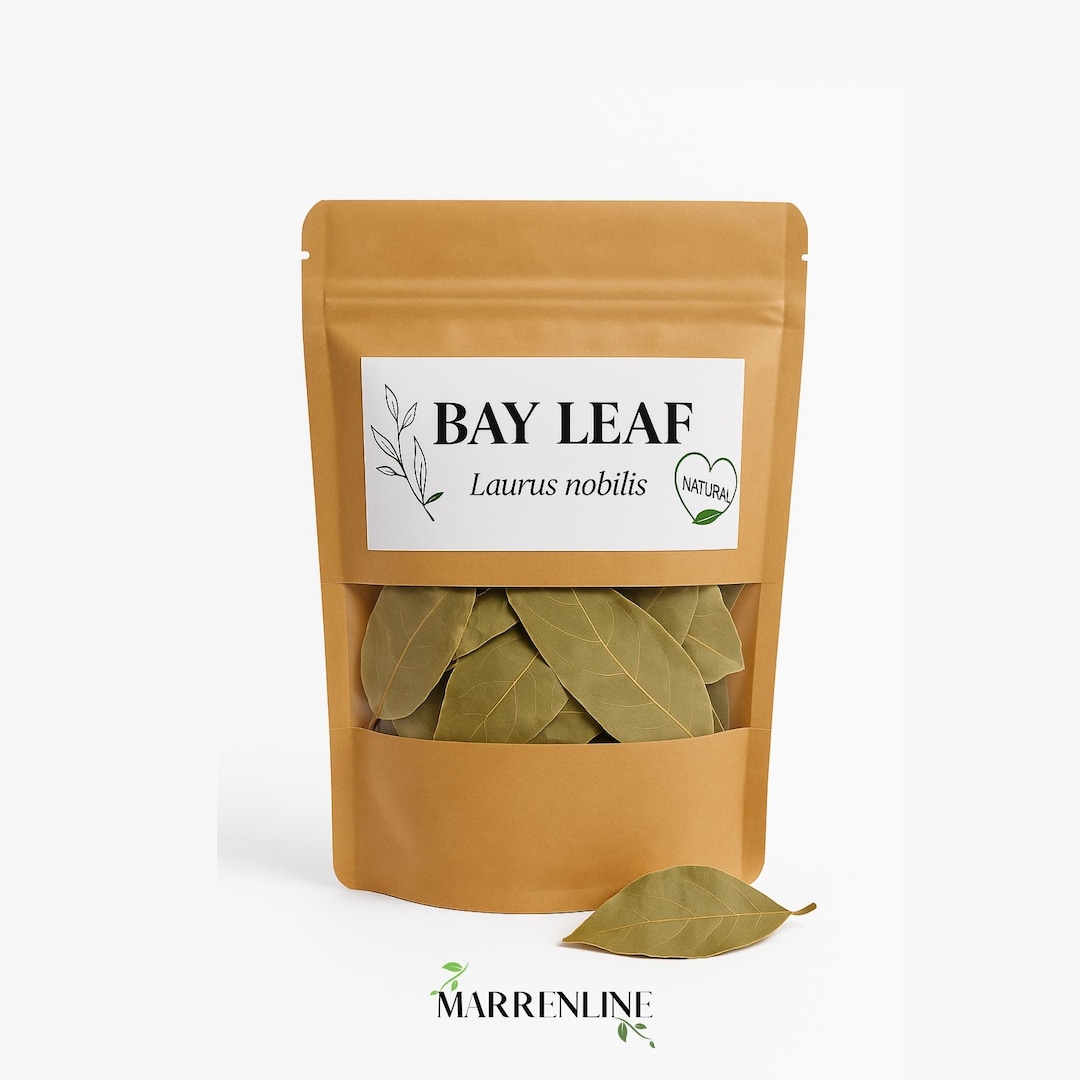
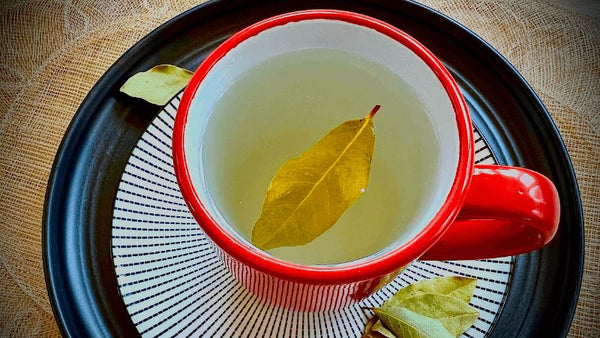
🌿 Leaf 2: Bay Leaves
(From Laurus nobilis)

4
Bay leaves are commonly used in cooking but also contain compounds of interest in herbal research.
What science suggests:
- Rich in polyphenols and essential oils
- Some small studies suggest they may support:
- Blood sugar control
- Cholesterol levels
Evidence:
- A study in the Journal of Clinical Biochemistry and Nutrition (2009) showed that consuming bay leaves was associated with improvements in glucose and lipid markers in people with type 2 diabetes
- However, sample sizes were small → more research is needed
Important clarification:
Claims such as “lowering blood pressure by 17 mmHg in 6 weeks” cannot be confirmed reliably in large clinical trials.
Potential benefits:
- Antioxidant support
- May contribute to metabolic balance
- Traditionally used for digestion
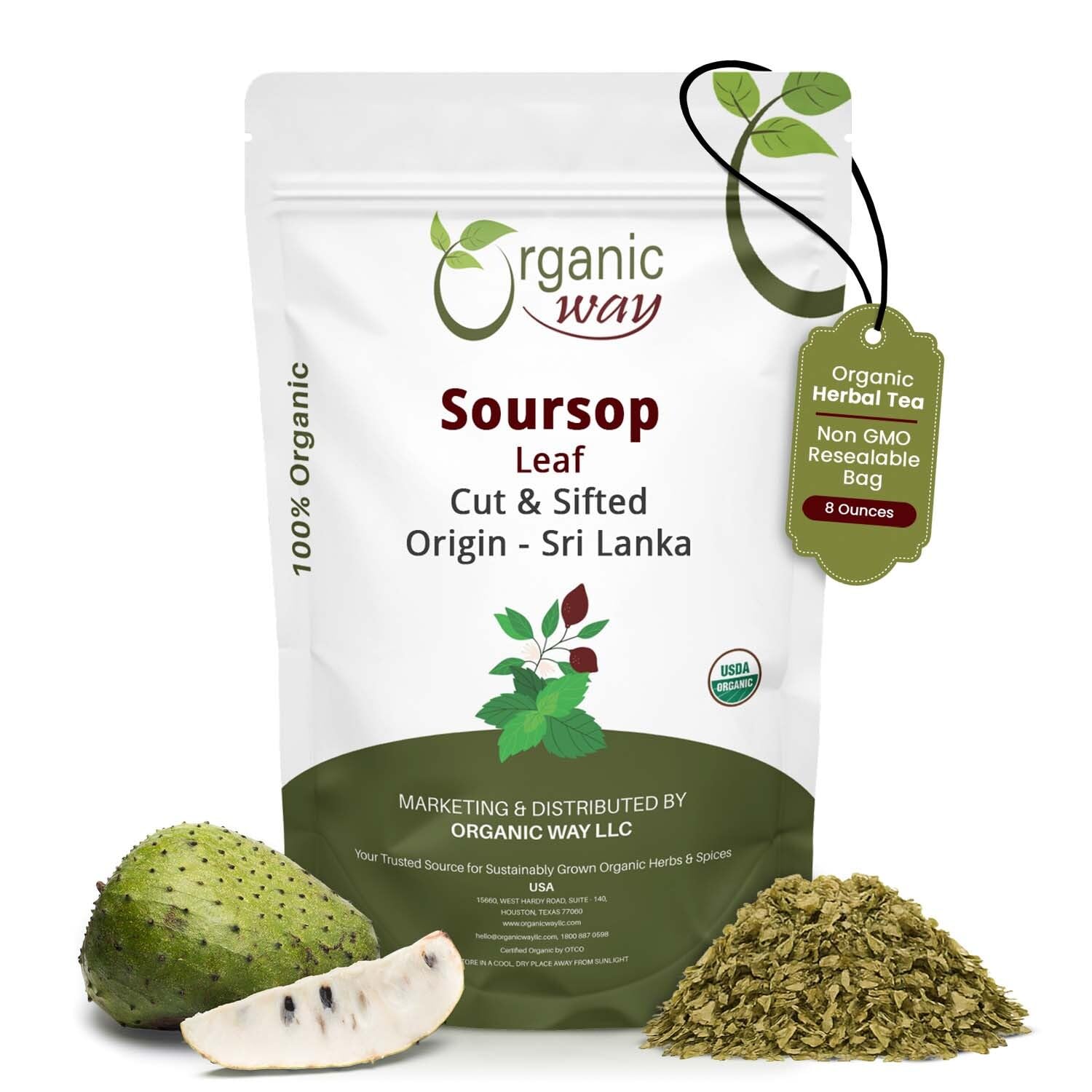
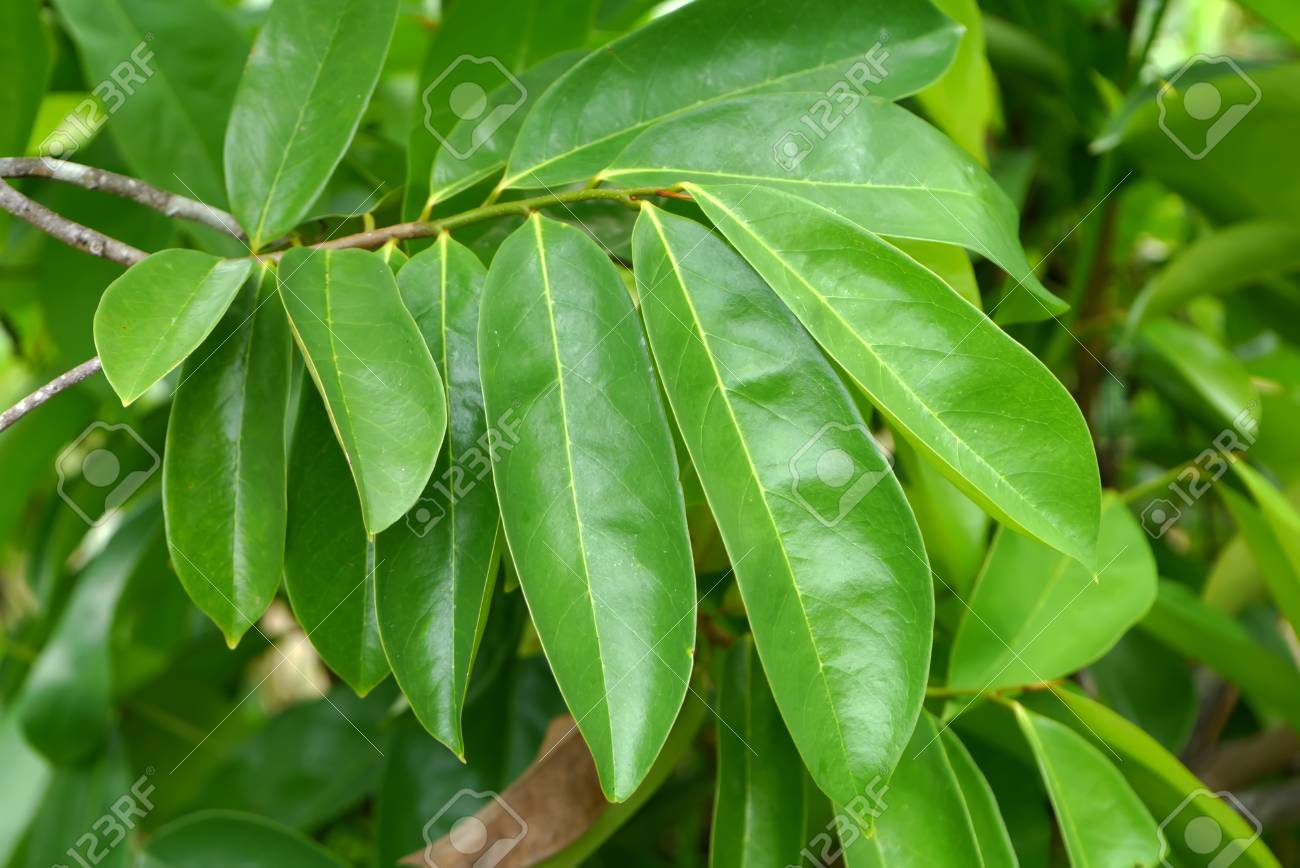
🌿 Leaf 3: Soursop Leaves
(From Annona muricata)

4
Soursop leaves are widely used in traditional medicine, especially in tropical regions.
What science suggests:
Next page