
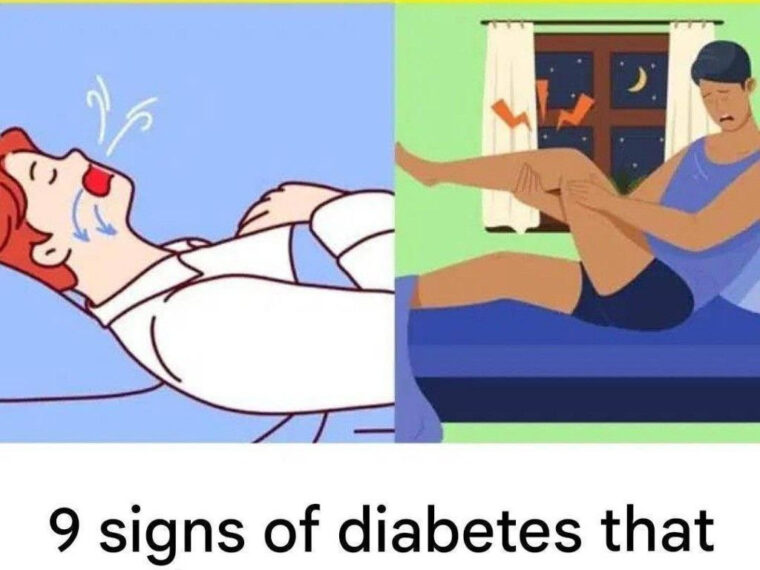
In some cases, adults with undiagnosed diabetes may experience bedwetting. This is often due to excessive glucose in the blood causing an overflow of urine during sleep.
While this is more common in children, adults with sudden onset bedwetting should consider diabetes screening.
8. Unexplained Nighttime Hunger
If your blood sugar drops suddenly during sleep, your body may trigger hunger signals. This is a response to low glucose levels, especially in people taking diabetes medication or insulin.
Tip: Having a balanced evening snack with protein and complex carbs may help prevent nighttime dips in blood sugar.
9. Headaches or Fatigue Upon Waking
High blood sugar overnight can lead to morning headaches or feelings of fatigue. When your body is dehydrated or experiencing glucose fluctuations, it affects sleep quality and can leave you feeling unrefreshed in the morning.
Key Points:
- Morning headaches often coincide with high blood sugar (hyperglycemia)
- May also be linked to sleep apnea, which is more common in people with diabetes
Why These Signs Matter
Nighttime symptoms are often overlooked because people assume they are normal sleep disturbances. However, recognizing patterns such as frequent urination, extreme thirst, night sweats, or leg discomfort can alert you to potential blood sugar issues.
Early detection of diabetes can prevent complications such as kidney damage, nerve damage, heart disease, and vision problems. If you notice one or more of these signs regularly, it’s important to talk to your healthcare provider.
Tips to Reduce Nighttime Diabetes Symptoms
- Monitor Your Blood Sugar: Keeping track of blood sugar levels, especially before bed, can help you identify patterns.
- Stay Hydrated: Drink water throughout the day but avoid excessive intake right before sleep.
- Eat Balanced Evening Meals: Include protein and fiber to stabilize overnight blood sugar.
- Exercise Regularly: Physical activity helps improve insulin sensitivity and blood sugar control.
- Check Medications: Some diabetes medications may require timing adjustments to reduce nighttime hypoglycemia.
Conclusion
Nighttime signs of diabetes are often subtle, but they can significantly impact your sleep and overall health. Waking up frequently to urinate, extreme thirst, night sweats, cramps, and morning fatigue are all red flags that should not be ignored.
If you recognize these symptoms, schedule a check-up and get your blood sugar tested. Early diagnosis and management are essential to prevent complications and maintain a healthy, restful sleep.
Paying attention to your body at night can be lifesaving—don’t ignore these warning signs.