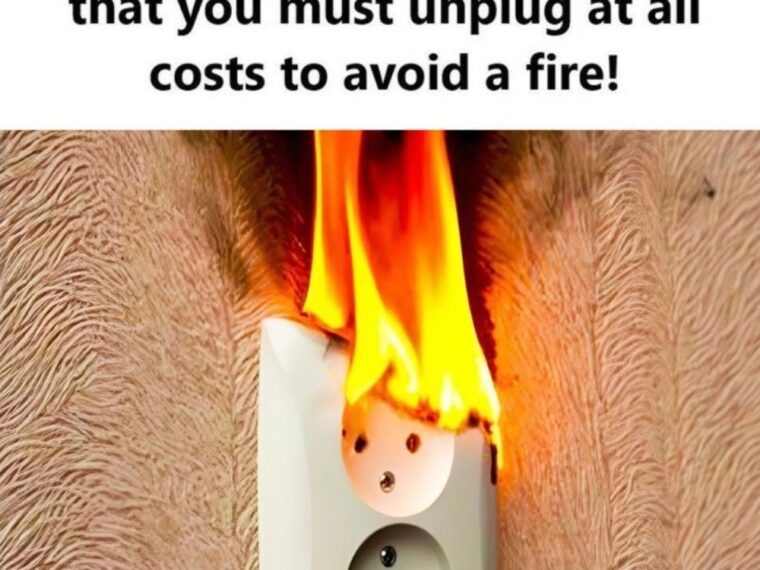
Modern kitchens are filled with convenient appliances that make cooking faster and easier. From coffee makers to air fryers, many of these devices are designed to stay plugged in throughout the day. However, safety experts warn that some appliances should not remain plugged in overnight.
One appliance in particular is frequently mentioned by fire safety professionals as a potential risk when left unattended: the toaster and toaster oven.
While these appliances are extremely common and generally safe when used properly, they can become a fire hazard if crumbs, grease, or electrical issues accumulate over time. Understanding why experts recommend unplugging them at night can help reduce the risk of kitchen fires.
🔌 The Appliance Experts Warn About: Toasters and Toaster Ovens
According to fire safety organizations and home safety experts, toasters and toaster ovens are among the small kitchen appliances most commonly associated with household fires.
This does not mean that toasters are inherently dangerous. Millions of people use them every day without any problems. However, their design includes exposed heating elements, which can pose a risk if debris builds up inside the appliance.
Unlike many other kitchen devices, toasters produce direct radiant heat to brown bread. That heat, combined with small food particles that collect inside the machine, can create conditions where a fire could potentially start.
Because of this, many safety professionals recommend unplugging toasters when they are not in use—especially overnight or when leaving home for long periods.
🔥 Why Toasters Can Become a Fire Risk
There are several reasons why toasters and toaster ovens can become hazardous if they are not properly maintained.
1. Crumb Buildup
Every time bread is toasted, small crumbs fall into the appliance. Over time, these crumbs accumulate at the bottom of the toaster.
Because crumbs are dry and highly flammable, they can ignite if they come into contact with heating elements.
If the crumb tray is not cleaned regularly, the buildup can increase the risk of smoke or fire.
2. Exposed Heating Elements
Toasters use metal coils that heat up quickly to toast bread. These coils are often partially exposed inside the appliance.
If a piece of bread becomes stuck or if debris touches the coils, it can burn or smolder.
This is one reason manufacturers recommend never inserting metal utensils into a toaster and always unplugging it before removing stuck food.
3. Electrical Faults
Like any electrical appliance, toasters can develop internal wiring problems over time.
Older appliances, damaged cords, or manufacturing defects may increase the risk of electrical sparks or overheating.
Some modern toasters also include digital timers or standby electronics that draw small amounts of electricity even when the appliance appears to be off.
Unplugging the appliance eliminates this risk completely.
4. Grease and Food Residue in Toaster Ovens
Toaster ovens present an additional concern.
Unlike standard pop-up toasters, toaster ovens are often used to cook foods like pizza, pastries, or leftover meals. These foods can release oil, grease, and crumbs, which may accumulate inside the appliance.
If grease residue builds up near heating elements, it can potentially smoke or ignite when the appliance heats up again.
Because toaster ovens retain heat longer than regular toasters, they may also stay warm for some time after use.
📊 What Fire Safety Data Shows
Home fire statistics show that kitchen appliances are a common cause of household fires.
Cooking equipment is responsible for a large portion of residential fires, and small appliances like toasters contribute to that number.
In many cases, these fires occur because of:
- Unattended appliances
- Food debris inside appliances
- Faulty wiring or damaged cords
- Appliances left plugged in for long periods
Even though the overall risk per household is relatively low, simple precautions—like unplugging appliances and cleaning them regularly—can significantly reduce the chances of a fire.
🧹 How to Reduce the Risk
Fortunately, preventing toaster-related hazards is simple. A few basic habits can make your kitchen much safer.
1. Unplug the Toaster When Not in Use
The easiest precaution is to unplug your toaster or toaster oven after each use, especially before going to bed or leaving the house.
This prevents electrical faults from occurring while the appliance is unattended.
2. Clean the Crumb Tray Regularly
Most toasters include a removable crumb tray at the bottom.
Cleaning this tray once a week (or more often if you use the toaster daily) helps prevent crumb buildup.
Simply remove the tray, shake out the crumbs, and wipe it clean before reinserting it.
3. Keep the Appliance Dry
Water and electricity are a dangerous combination.
Never operate a toaster with wet hands or near water sources such as sinks.
Also avoid placing the toaster directly under cabinets where heat could accumulate.
4. Check the Cord and Plug
If the cord appears frayed, cracked, or damaged, stop using the appliance immediately.
Electrical damage can increase the risk of sparks or overheating.
Replacing an old toaster is far safer than continuing to use a damaged one.
5. Avoid Overloading the Toaster Oven
Next page