
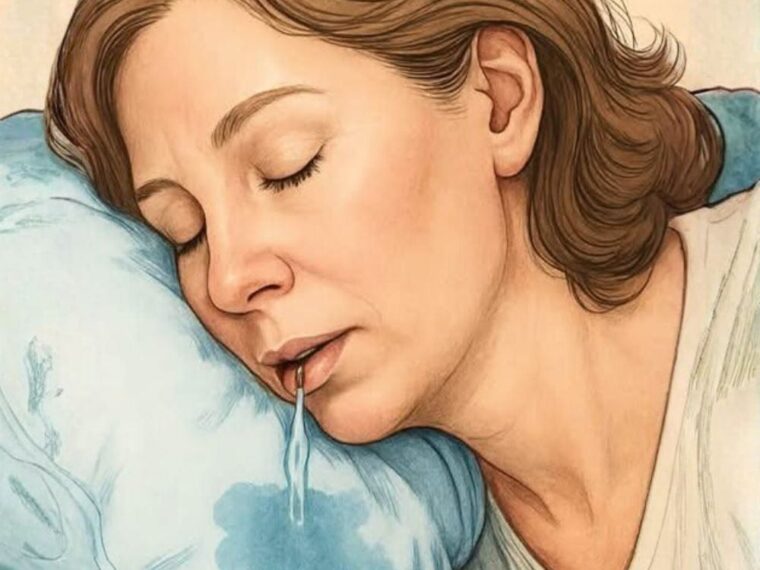
GERD, or acid reflux, occurs when stomach acid flows back into the esophagus. This often stimulates excess saliva production as the body attempts to neutralize the acid. The result? More drool escaping onto the pillow.
Other symptoms of GERD may include:
- Heartburn or chest discomfort
- Bitter or sour taste in the mouth
- Nighttime coughing or choking
Managing GERD with dietary adjustments, elevating the head of the bed, and medications can reduce nighttime saliva production.
3. Neurological Conditions
Certain neurological disorders can affect the muscles responsible for swallowing, causing excessive drooling. Conditions include:
- Parkinson’s disease
- Bell’s palsy
- Stroke-related facial weakness
- Amyotrophic lateral sclerosis (ALS)
In these cases, drooling is often accompanied by other symptoms such as difficulty speaking, chewing, or controlling facial expressions. If you notice persistent changes, it’s important to consult a neurologist.
4. Medications
Some medications may increase saliva production or cause excessive drowsiness that leads to drooling. Common examples include:
- Certain antipsychotics
- Sedatives or sleeping pills
- Medications for Parkinson’s disease
- Drugs affecting the nervous system
If you suspect your medication is contributing to pillow drool, speak with your healthcare provider about adjusting the dosage or exploring alternatives.
Tips and Tricks to Reduce Pillow Drool
Even if your drooling is harmless, it can be annoying. Here are practical strategies to keep your pillows dry and maintain comfort while sleeping:
- Adjust Your Sleeping Position
- Sleep on your back when possible
- Use a wedge pillow or elevate the head of the bed slightly
- Manage Nasal Congestion
- Use saline sprays or a humidifier
- Treat allergies proactively
- Consult an ENT specialist for chronic issues
- Stay Hydrated
- Proper hydration regulates saliva consistency and prevents thick saliva that is more likely to pool
- Dental or Oral Appliances
- Night guards or chin straps can help keep the mouth closed during sleep
- Address Underlying Health Conditions
- If drooling is new, severe, or accompanied by other symptoms, see a healthcare professional
- Conditions like sleep apnea, GERD, and neurological disorders may require targeted treatment
- Pillow Protection and Hygiene
- Use pillow protectors and washable pillowcases
- Wash bedding frequently to prevent odor and bacteria buildup
Understanding the Emotional Impact
Waking up with a wet pillow may feel embarrassing, especially if it happens regularly. Many people worry about others noticing, particularly if they share a bed. Understanding that drooling is often a normal physiological process can reduce anxiety.
In some cases, drooling may also affect sleep quality. Moist pillows or uncomfortable positions may wake you during the night, creating a cycle of restless sleep. Addressing both the cause and the comfort factors—such as bedding materials and sleep posture—can improve overall sleep quality.
When to Seek Medical Help
While occasional pillow drooling is nothing to worry about, you should see a healthcare provider if you experience:
- Sudden or excessive drooling that wasn’t present before
- Nighttime choking, gasping, or snoring
- Difficulty swallowing, speaking, or controlling facial muscles
- Heartburn, acid reflux, or persistent cough
A doctor or sleep specialist can evaluate your symptoms, recommend diagnostic tests, and provide solutions tailored to your needs.
Key Takeaways
- Normal causes include sleeping position, deep REM sleep, and mild nasal congestion.
- Medical causes can include sleep apnea, GERD, neurological conditions, and certain medications.
- Preventive strategies include adjusting your sleep posture, managing nasal congestion, staying hydrated, using oral appliances, and treating underlying health issues.
- Emotional considerations matter—understanding that drooling is often a sign of restorative sleep can help reduce embarrassment and anxiety.
Waking up with a wet pillow is usually a minor annoyance rather than a serious problem. By paying attention to your sleep habits, managing health conditions, and implementing simple preventive measures, you can minimize drooling and enjoy a more comfortable night’s rest.
Remember, pillow drool is a natural part of human physiology. It signals that your body is relaxed, restorative processes are active, and your body is functioning as it should. In rare cases, it can point to an underlying condition—but most often, it’s just a normal, albeit messy, part of a good night’s sleep.