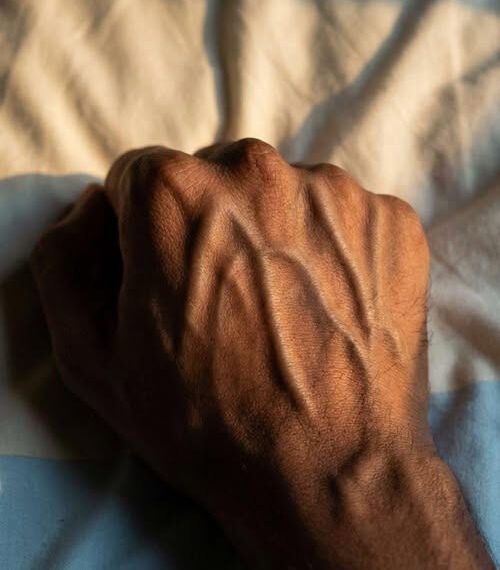
Have you ever glanced down at your hands or legs in the evening and thought, “Were my veins always this visible?”
For many people, veins seem to “pop out” more at night—especially on the hands, forearms, feet, or calves. The sudden prominence can feel surprising and, in some cases, even alarming.
The good news? In most situations, this is completely normal. It’s usually the result of natural changes in your body throughout the day rather than a sign of a health problem.
Let’s explore why this happens and when it might be worth paying attention.
1. Natural Changes in Body Temperature
Your body operates on a circadian rhythm, a 24-hour internal clock that regulates temperature, hormone release, and sleep cycles.
As the day transitions into evening:
- Core body temperature rises slightly.
- Blood vessels widen (a process called vasodilation).
- Blood flow increases near the skin’s surface.
When veins dilate, they expand and move slightly closer to the skin’s surface, making them more visible.
This effect is especially noticeable if you:
- Took a warm shower
- Exercised earlier
- Are in a warm room
- Had alcohol or a hot beverage
Heat naturally encourages vasodilation, which makes veins look larger and more pronounced.
2. The Role of Lighting
Lighting changes dramatically at night.
During the day:
- Sunlight diffuses evenly.
- Shadows are softer.
- Skin tone appears more uniform.
At night:
- Artificial lighting creates sharper contrast.
- Overhead lights cast shadows.
- Phone screens or lamps highlight surface details.
Because veins are typically blue or green and darker than surrounding skin, they stand out more under artificial light. The contrast exaggerates their appearance—even if their size hasn’t changed significantly.
Sometimes it’s not that your veins are bigger.
It’s simply that lighting makes them easier to see.
3. Fluid Shifts Throughout the Day
Gravity plays a subtle but important role in circulation.
During the day, especially if you’ve been:
- Standing for long periods
- Sitting at a desk
- Walking around
Blood naturally pools slightly in the lower extremities due to gravity.
By nighttime, fluid shifts may make veins in the legs and feet appear more prominent. Even in the hands, changes in circulation after a full day of activity can enhance visibility.
If you elevate your legs or lie down, you may notice the veins become less prominent again.
4. Dehydration
Even mild dehydration can make veins appear more noticeable.
When you’re slightly dehydrated:
- Blood volume decreases.
- Surrounding tissue becomes less plump.
- Skin may appear thinner or tighter.
With less fluid in the surrounding tissue, veins may stand out more clearly beneath the skin.
This is especially common if you:
- Didn’t drink much water during the day
- Consumed caffeine or alcohol
- Sweated heavily
Drinking water often softens this effect.
5. Reduced Subcutaneous Fluid at Night
Throughout the day, your body retains and redistributes fluids. In the evening, as your activity decreases, subtle fluid changes can occur in tissues beneath the skin.
Less puffiness in the hands, for example, can make veins more defined.
Some people notice:
- Veins more visible before bed
- Rings fitting slightly looser
- Hands appearing leaner
These are normal daily physiological variations.
6. Exercise and Muscle Pump
If you worked out earlier in the day, veins may stay temporarily more visible into the evening.
Exercise increases:
- Blood flow
- Muscle fullness
- Vascular dilation
Athletes and individuals with low body fat often notice this effect more strongly because there is less fat covering the veins.
This is sometimes called a “vascular pump,” and it can persist for hours after activity.
7. Body Fat Percentage
Vein visibility is strongly influenced by body composition.
Lower body fat means:
- Less tissue covering veins
- Greater surface visibility
- More pronounced vascular appearance
This is why bodybuilders and lean athletes often have highly visible veins—even without temperature changes.
At night, lighting and vasodilation can exaggerate this effect further.
8. Age-Related Skin Changes
As we age:
- Skin becomes thinner.
- Collagen decreases.
- Subcutaneous fat shifts.
Thinner skin makes veins easier to see, particularly on the hands and arms.
If you’re noticing veins more as you get older, this is usually a normal part of aging.
9. Hormonal Influence
Hormones affect circulation.
For example:
- Estrogen fluctuations can influence blood vessel dilation.
- Pregnancy increases blood volume and vein visibility.
- Menstrual cycles can affect fluid retention.
Some individuals may notice veins more prominently at certain times of the month due to hormonal shifts.
10. Stress and Sympathetic Activation
When you’re stressed or anxious, your nervous system activates.
This can cause:
- Increased heart rate
- Changes in circulation
- Blood redistribution
While stress doesn’t always make veins more visible, heightened awareness during quiet evening hours can make you more likely to notice them.
Sometimes it’s not a physical change—just increased attention.
When Is It NOT Normal?
In most cases, visible veins are harmless. However, there are situations where you should consult a healthcare provider.
Seek medical advice if visible veins are accompanied by:
- Sudden swelling in one limb
- Pain or tenderness
- Warmth or redness over a vein
- Shortness of breath
- Skin discoloration
- Bulging, twisted veins causing discomfort
These could indicate conditions such as:
- Varicose veins
- Deep vein thrombosis (DVT)
- Circulatory disorders
But simply seeing veins more clearly at night, without pain or other symptoms, is typically not dangerous.
Why You Notice It More at Night
There’s also a psychological element.
Nighttime is quieter. Fewer distractions. More self-observation.
You may be:
- Lying in bed
- Scrolling on your phone
- Relaxing under direct light
When you’re still and focused on your body, small changes feel magnified.
What went unnoticed during a busy day becomes obvious in stillness.
Quick Summary: Why Veins Look More Visible at Night
Here are the main reasons:
- Slight increase in body temperature
- Vasodilation (blood vessel expansion)
- Artificial lighting and shadow contrast
- Fluid shifts from gravity
- Mild dehydration
- Exercise effects
- Lower body fat
- Natural aging
- Hormonal changes
- Increased nighttime awareness
Most of the time, it’s completely normal.
How to Reduce Prominent Vein Appearance (If It Bothers You)
If visible veins make you uncomfortable, you can:
- Stay hydrated
- Avoid excessive heat exposure
- Elevate legs if swelling occurs
- Maintain consistent activity levels
- Wear compression stockings (for leg veins)
- Use moisturizing lotion (improves skin appearance)
But remember—visible veins are not inherently unhealthy. They’re simply part of human anatomy.
Final Thoughts
Seeing your veins more clearly at night can feel strange at first, especially if you’ve never noticed it before. But in most cases, it’s simply your body responding to natural temperature shifts, lighting changes, and daily circulation patterns.
Your body is constantly adjusting—expanding, contracting, redistributing blood and fluid in subtle ways throughout the day.
At night, those changes become easier to see.
And more often than not, that visibility is a sign of normal physiology—not something to fear.