Water is essential for life, making up about 60% of the human body. It plays a critical role in maintaining bodily functions, including regulating temperature, transporting nutrients, and removing waste. Despite its importance, many people do not consume enough water daily, which can lead to dehydration and a variety of health issues.
Dehydration can show up in ways that aren’t always obvious. Recognizing these signs early can help prevent more serious complications. Here are ten common indicators that you might not be drinking enough water — along with tips to stay properly hydrated.
1. Understanding the Importance of Hydration
Hydration is crucial for maintaining the body’s balance and ensuring that all systems function optimally. The average adult should aim to drink about 2.7 liters (91 ounces) for women and 3.7 liters (125 ounces) for men per day, including all beverages and water found in food.
Water helps:
- Regulate body temperature
- Lubricate joints
- Transport nutrients to cells
- Remove waste
When hydration is insufficient, it can lead to issues ranging from mild (dry skin, fatigue) to severe (kidney stones, urinary tract infections). Being aware of how water supports your body can motivate you to drink consistently throughout the day.
2. Dry Skin: A Common Indicator
Dry skin is one of the first signs of dehydration. When the body lacks water, it prioritizes essential functions over skin hydration. As a result, skin may feel:
- Rough or tight
- Flaky or itchy
- Less elastic
In severe cases, dehydration can exacerbate conditions like eczema or psoriasis.
Tips: Increase water intake daily, use moisturizers to lock in hydration, and include water-rich foods like cucumber, watermelon, and oranges in your diet. Over time, proper hydration improves skin elasticity and gives your skin a healthy glow.
3. Persistent Fatigue and Lethargy
Feeling tired, sluggish, or lethargic can indicate that you’re not drinking enough water. Water is essential for energy production in cells. When dehydrated:
- Blood volume decreases
- The heart works harder to deliver oxygen and nutrients
- Muscles and organs receive less efficient energy supply
Tips: Keep a water bottle nearby and sip consistently throughout the day. Foods like celery, oranges, and strawberries also help replenish hydration and boost energy.
4. Dark Yellow or Strong-Smelling Urine
Urine color is one of the simplest indicators of hydration status. Healthy, well-hydrated individuals typically have light yellow or clear urine. Dark yellow or strong-smelling urine suggests dehydration.
Tips: Monitor your urine color and aim to adjust water intake accordingly. Remember that coffee, tea, and certain vitamins can affect urine color temporarily, so consider these factors when evaluating hydration.
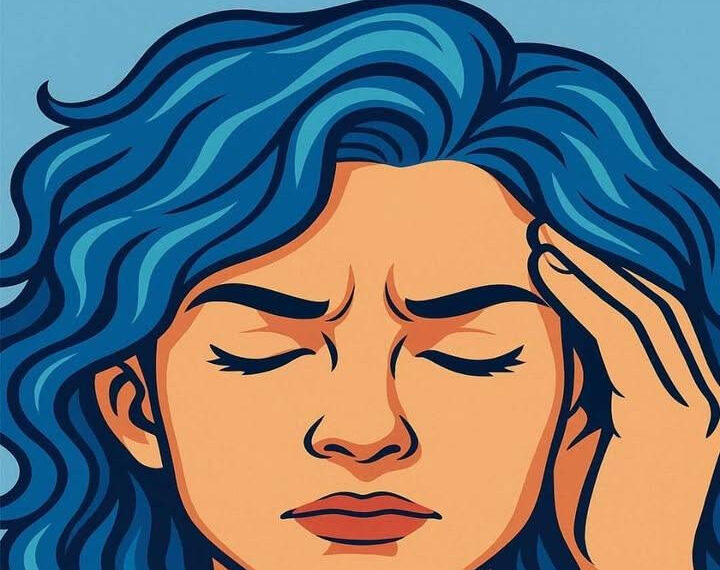
5. Headaches and Dizziness
Even mild dehydration can trigger headaches and dizziness. When the brain temporarily loses fluid, it can shrink slightly, pulling away from the skull and causing pain.
Tips: Start your day with a glass of water, sip regularly, and replace fluids lost during exercise. Herbal teas or water-rich fruits can help maintain hydration.
6. Dry Mouth and Bad Breath
A lack of water reduces saliva production, which is essential for neutralizing acids and washing away bacteria. This can lead to:
- Dry, sticky mouth
- Bad breath
- Difficulty swallowing
Tips: Drink water before meals and keep a small bottle handy. Sugar-free gum or lozenges can stimulate saliva production between sips.
7. Muscle Cramps
Dehydration affects electrolyte balance, which can cause muscles to contract involuntarily. Common signs include:
- Leg cramps
- Stiffness during or after workouts
- Twitching in smaller muscle groups
Tips: Drink water before, during, and after exercise. Include foods rich in potassium, magnesium, and calcium, such as bananas, spinach, and yogurt, to help prevent cramps.
8. Constipation
Water is essential for softening stool and promoting healthy bowel movements. Insufficient hydration can lead to:
- Hard, dry stools
- Difficulty passing stool
- Bloating or discomfort
Tips: Drink water consistently, eat fiber-rich foods (fruits, vegetables, whole grains), and exercise regularly to support healthy digestion.
9. Dry or Cracked Lips
Lips lack oil glands, so they are particularly susceptible to dehydration. Symptoms include:
- Chapped, flaky lips
- Pain or soreness in corners of the mouth
- Persistent dryness despite lip balm
Tips: Increase water intake and use a hydrating lip balm. Avoid excessive licking of lips, which can worsen dryness.
10. Poor Concentration and Brain Fog
Even mild dehydration can reduce cognitive performance. Signs include:
- Difficulty focusing
- Forgetfulness
- Slower reaction times
Tips: Start the day with water, sip regularly, and pair hydration with a healthy diet and short breaks to optimize mental clarity.
How to Stay Properly Hydrated
- Keep a reusable water bottle with you at all times.
- Drink a glass of water when you wake up and before each meal.
- Eat water-rich fruits and vegetables.
- Monitor urine color to ensure adequate hydration.
- Increase water intake during hot weather or intense physical activity.
Staying hydrated is more than just quenching thirst — it’s a foundation for energy, healthy skin, optimal digestion, and clear thinking. By recognizing these signs, you can take proactive steps to ensure your body gets the water it needs to function at its best.
Water isn’t just a beverage — it’s the simplest, most effective way to boost your health every day.