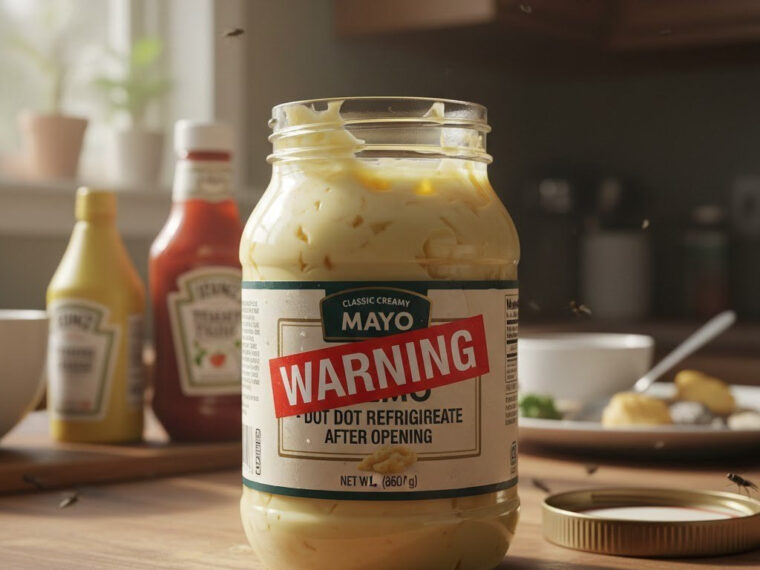
Mayonnaise is one of those everyday foods most of us rarely question. It sits quietly in the fridge—or sometimes on the counter—waiting to be spread on sandwiches, stirred into salads, or used as a base for sauces and dips. Yet despite how common it is, mayonnaise remains one of the most misunderstood condiments when it comes to food safety.
If you’ve ever wondered whether mayonnaise truly needs refrigeration, you’re not alone. Many people assume it’s safe to leave out because it contains vinegar or lemon juice, while others refrigerate it religiously out of fear of foodborne illness. So which approach is actually correct?
The answer depends on what kind of mayonnaise you’re using, how it’s handled, and how long it’s left out. Understanding the science behind mayonnaise and proper storage guidelines can help you keep it safe, flavorful, and long-lasting.
The Science Behind Mayonnaise and Its Ingredients
At its core, mayonnaise is an emulsion—a stable mixture of ingredients that don’t normally combine. Traditional mayonnaise is made from three primary components:
- Oil
- Egg yolks
- An acid, such as vinegar or lemon juice
The egg yolk contains lecithin, a natural emulsifier that binds the oil and liquid together into a smooth, creamy texture.
Commercial vs. Homemade Mayonnaise
This distinction matters more than most people realize.
Commercial mayonnaise:
- Uses pasteurized eggs or egg products
- Contains added preservatives
- Is carefully acidified to inhibit bacterial growth
These factors significantly extend shelf life and improve safety.
Homemade mayonnaise:
- Typically uses raw egg yolks
- Contains no preservatives
- Has a shorter shelf life
- Is far more sensitive to temperature changes
While the acidity in mayonnaise does help slow bacterial growth, it does not eliminate the risk entirely—especially in homemade versions.
Why Eggs Raise Food Safety Concerns
Eggs are the ingredient most responsible for mayonnaise’s reputation as a “risky” food. Raw or undercooked eggs can harbor bacteria such as Salmonella, which thrives under the right conditions.
Even though commercial mayonnaise uses pasteurized eggs, contamination can still occur after opening due to:
- Cross-contamination from utensils
- Exposure to warm temperatures
- Improper storage
This is why handling and storage matter just as much as ingredients.
Food Safety Guidelines for Mayonnaise Storage
Food safety authorities consistently recommend refrigerating mayonnaise after opening.
General guidelines include:
- Opened mayonnaise should be kept refrigerated
- It should not sit at room temperature for more than two hours
- In hot environments (above 90°F / 32°C), that window drops to one hour
These guidelines are designed to prevent the growth of harmful bacteria that multiply rapidly in warm conditions.
Even though commercial mayonnaise is more stable than homemade versions, refrigeration helps maintain both safety and quality.
The Role of Temperature in Mayonnaise Preservation
Temperature is one of the most critical factors in food safety.
At room temperature:
- Bacteria can double every 20–30 minutes
- Texture may begin to break down
- Flavor can become sour or bitter
In the refrigerator (below 40°F / 4°C):
- Bacterial growth slows dramatically
- The emulsion remains stable
- Shelf life is significantly extended
Refrigeration doesn’t just prevent illness—it also keeps mayonnaise tasting the way it should.
Potential Risks of Storing Mayonnaise on the Counter
Leaving mayonnaise on the counter for extended periods introduces several risks:
1. Bacterial Growth
Pathogens like Salmonella and Listeria thrive in warm, moist environments. Once introduced, they can multiply quickly.
2. Quality Degradation
Even if the mayonnaise doesn’t make you sick, it may:
- Separate or become watery
- Develop off-flavors
- Lose its creamy consistency
3. Cross-Contamination
Using a knife that touched raw meat or other foods and dipping it back into the jar can introduce bacteria that multiply faster outside the fridge.
How Long Can Mayonnaise Safely Stay Out?
Here’s a practical breakdown:
- Unopened commercial mayonnaise:
Safe at room temperature until opened (check expiration date). - Opened commercial mayonnaise:
Should not be left out longer than 2 hours. - Homemade mayonnaise:
Should be refrigerated immediately and discarded if left out longer than 1 hour. - Outdoor events or hot weather:
Limit exposure to 1 hour or less, even for commercial mayonnaise.
If mayonnaise has been sitting out overnight or for several hours, it’s safest to throw it away—even if it looks and smells fine.
Does Refrigeration Affect Taste or Texture?
Some people worry that refrigerating mayonnaise makes it too thick or dulls the flavor. While cold temperatures can slightly firm up the texture, this effect is temporary. Once stirred or spread, mayonnaise returns to its usual consistency.
In fact, refrigeration actually helps preserve flavor, preventing the oils from oxidizing and turning rancid.
What About Restaurant and Deli Mayonnaise?
You might notice mayonnaise sitting out at restaurants or sandwich shops. This is usually because:
- It’s used very quickly
- It’s kept in temperature-controlled environments
- Commercial food safety practices are strictly regulated
At home, mayonnaise tends to sit much longer, making refrigeration far more important.
Best Practices for Safe Mayonnaise Storage
To keep mayonnaise safe and fresh:
- Always refrigerate after opening
- Use clean utensils every time
- Keep the lid tightly sealed
- Avoid leaving it out during meals
- Discard if you notice sour smells, separation, or mold
For homemade mayonnaise, use within 3–4 days and store it in the coldest part of the fridge.
Final Takeaway: Counter or Fridge?
Despite its acidity, mayonnaise is not a shelf-stable food once opened. Refrigeration is the safest and smartest choice, especially for homemade versions or in warm climates.
So if you’re just learning this now, don’t worry—you’re not alone. But now that you know, a quick trip back to the fridge can save you from unnecessary food waste and potential foodborne illness.
When it comes to mayonnaise, cold is best. 🥪🥚🍋