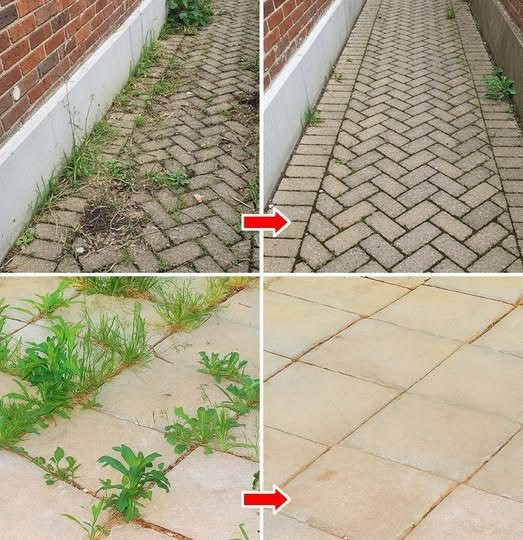
Anyone with a garden, balcony, or terrace knows the frustration of weeds. These unwanted plants sprout everywhere—between tiles, in garden beds, or along the edges of sidewalks—and they compete with your flowers, vegetables, and herbs for sunlight, water, and nutrients. While chemical herbicides are an option, many gardeners prefer natural, eco-friendly methods that are safe for children, pets, and the environment.
In this article, we’ll explore simple, natural techniques to control and eliminate weeds effectively, using ingredients you likely already have at home. With a little patience and consistency, you can reclaim your garden and prevent weeds from coming back.
Why Natural Weed Control Matters
Weeds are not just unsightly—they can:
- Compete with your plants for nutrients and water
- Harbor pests and diseases
- Spread rapidly if left unchecked
While commercial herbicides work quickly, they often contain harsh chemicals that can damage soil health, harm beneficial insects, and contaminate groundwater. Natural alternatives, on the other hand, target weeds without posing environmental risks, making them ideal for home gardens, balconies, and small terraces.
1. Baking Soda: Perfect for Cracks and Tile Joints
Baking soda is one of the easiest and safest ways to eliminate weeds, especially those growing in cracks between tiles, patios, or sidewalks.
How to use it:
- Pour a small amount of baking soda directly onto the weeds or into the cracks where weeds are emerging.
- Water lightly to help it settle into the roots.
- Repeat every few days until the weeds die.
Why it works: Baking soda increases salt levels locally, dehydrating the weeds without affecting larger garden plants nearby. It’s ideal for hard surfaces where you want to prevent weeds permanently.
2. Salt: Quick and Effective
Salt is another powerful natural weed killer, but it must be used carefully. Excessive salt can harm surrounding plants and soil fertility.
Method 1: Salt Solution
- Bring 500 ml of water and 250 ml of salt to a boil.
- Pour the hot solution directly onto the weeds.
Method 2: Salt Sprinkle
- Sprinkle a thin layer of salt over the soil near weeds.
- Spray lightly with water to dissolve the salt and allow it to penetrate the roots.
Tip: Only use salt on areas where you do not plan to grow other plants, such as driveways, walkways, or cracks in patios.
3. Boiling Water: Simple and Chemical-Free
Boiling water is one of the most immediate ways to kill weeds naturally. The high temperature damages plant cells and roots, preventing regrowth.
How to apply:
- Boil water in a kettle or pot.
- Carefully pour the water directly onto the weeds, focusing on the base and roots.
- Repeat weekly for stubborn weeds.
Safety Tip: Avoid spilling boiling water on your hands, pets, or desirable plants. This method works best for weeds growing in hard-to-cultivate areas like driveways and sidewalks.
4. Vinegar: Acidic Power Against Weeds
White vinegar contains acetic acid, which can dry out weeds and prevent them from growing back. It’s especially effective on young weeds.
How to use vinegar:
- Mix 1 part vinegar with 1 part water.
- Spray directly onto the leaves of weeds during a sunny day for maximum effect.
- Avoid spraying on nearby plants, as vinegar is non-selective and can harm other vegetation.
For tougher weeds, use undiluted vinegar carefully and reapply as necessary.
5. Mulching: Prevent Weeds Before They Grow
Prevention is often easier than removal. Mulching your garden beds or pots creates a barrier that blocks sunlight, which weeds need to germinate.
Materials you can use:
- Straw or hay
- Wood chips or bark
- Shredded leaves
- Newspaper or cardboard under mulch
Benefits of mulching:
- Reduces soil erosion
- Retains moisture for garden plants
- Suppresses weed growth naturally
6. Manual Removal: Old-Fashioned but Effective
While natural solutions like baking soda and vinegar work well, sometimes manual removal is the best long-term strategy:
- Pull weeds by hand, making sure to remove the entire root system.
- Use a small gardening trowel or hoe for deeper-rooted plants.
- Dispose of pulled weeds carefully to prevent reseeding.
This method is time-consuming but ensures weeds won’t regrow from leftover roots.
Combining Methods for Maximum Effectiveness
For stubborn weeds, combining natural methods often yields the best results:
- Apply boiling water to weaken the weed.
- Follow with vinegar or baking soda to ensure it doesn’t regrow.
- Add mulch to prevent new weeds from emerging in the cleared area.
Consistency is key: repeat treatments weekly until the weeds are completely eliminated.
Eco-Friendly Weed Management Tips
- Avoid overwatering, which can encourage weed growth.
- Maintain healthy garden soil to give your plants a competitive advantage.
- Rotate crops and plant dense ground cover to naturally suppress weeds.
By combining prevention with natural removal techniques, you can minimize weeds permanently without harming your garden or the environment.
Final Thoughts
Weeds may be persistent, but they’re not invincible. With simple, natural strategies like baking soda, salt, vinegar, boiling water, mulching, and manual removal, you can regain control of your garden, balcony, or terrace.
Not only do these methods work effectively, but they’re also safe for children, pets, and the environment—proving that you don’t need harsh chemicals to keep your plants healthy and thriving.
A little consistency and care can turn a weed-ridden space into a flourishing, beautiful garden—naturally and permanently. 🌿🌼