
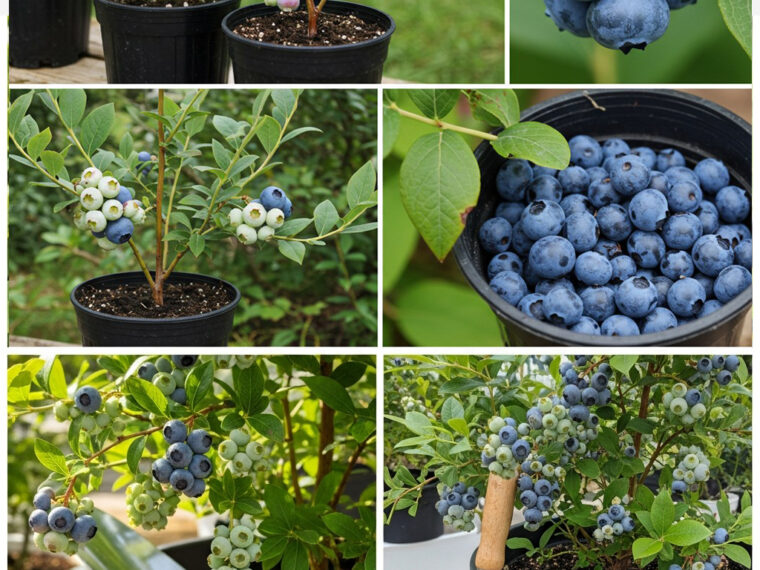
Blueberries, thanks to this simple method, I’ve been cultivating at home indefinitely, eliminating the need to purchase them for years! These small, vibrant berries are not just delicious—they’re among the most nutritious fruits you can enjoy. Rich in vitamin C, fiber, potassium, iron, and calcium, blueberries are packed with compounds that support overall health. Scientific research from Clemson University and the United States Department of Agriculture confirms their powerful antioxidant activity, ranking them as one of the top fruits and vegetables in terms of health benefits. This potency comes from a combination of organic acids and 15 anthocyanins, the pigments responsible for their deep blue color, which provide protection against oxidative stress. Additionally, blueberries contain proanthocyanidins, flavonoids, tannins, and resveratrol, the latter being a compound also found in black grapes, known for its anti-tumor and cardiovascular benefits.
The health benefits of blueberries are extensive. Potassium helps support healthy nerve and muscle function, while fiber promotes proper digestion and maintains a balanced intestinal flora. Studies published in Cell Host & Microbe highlight the role of dietary fiber in maintaining a healthy gut microbiome, which is essential for overall immune health. The antioxidants in blueberries help reduce inflammation, while their natural antiseptic properties, noted in the Asian Pacific Journal of Tropical Diseases, protect against infections. Vitamin C, vitamin K, and manganese present in blueberries further support bone health, immune function, and cellular repair, making them a truly superfruit.
With this straightforward technique, I’ve managed to cultivate blueberries at home effortlessly, eliminating the need to buy them ever again. Here’s a complete guide to growing them yourself.
Step 1: Choosing the Right Container
The first step to growing blueberries at home is selecting the proper container. If you’re starting with a young plant, choose a pot that provides enough space for the roots to expand. A larger container is always better, as blueberries develop extensive root systems over time. When moving or transplanting, gradually increase the pot size to prevent root stress and encourage healthy growth. Blueberries thrive in acidic soil with a pH of around 4.5 to 5.5, which is crucial for nutrient absorption. You can purchase acidic soil mixes specifically for blueberries, or amend regular potting soil with materials like peat moss, pine needles, or elemental sulfur to achieve the desired acidity.
Step 2: Planting and Soil Preparation
Whether you start with seeds or small saplings, the soil must remain consistently moist, but never waterlogged. Blueberries prefer well-draining soil that retains enough moisture to nourish the roots. Daily watering is recommended, especially during dry periods. Aerate the soil regularly and replace or refresh it once a year to maintain proper root health. A layer of mulch, such as pine bark or straw, helps retain moisture, reduces weed growth, and adds organic matter as it decomposes.
When planting multiple blueberries, maintain a spacing of at least 30 to 45 centimeters between plants to allow room for air circulation and root expansion. This spacing prevents overcrowding, which can reduce fruit yield and increase susceptibility to disease. Blueberries also benefit from companion plants like azaleas or rhododendrons, which share similar soil acidity requirements.
Step 3: Positioning for Sunlight and Growth
Blueberries require sunlight for healthy growth and fruit production. Ideally, place your pot or container in a location that receives at least six hours of direct sunlight daily. However, avoid locations with excessive wind, which can dry out the soil and damage young shoots. If you’re growing blueberries indoors, a south-facing window is ideal, or you can use a grow light to supplement natural sunlight.
Temperature also plays a role in blueberry development. Most varieties tolerate a wide range of temperatures but thrive best in moderate climates. Protect young plants from frost by moving containers indoors or covering them during cold spells.
Step 4: Fertilization and Nutrient Management
Proper fertilization is key to maximizing blueberry growth and fruit production. Use a fertilizer formulated for acid-loving plants, ideally one high in nitrogen but low in phosphorus. Apply fertilizer in early spring, just before new growth begins, and again after the flowering period to support fruit development. Avoid over-fertilization, as it can burn the roots or lead to excessive leafy growth at the expense of fruiting.
In addition to fertilizer, regular soil testing ensures the pH remains in the optimal range. If acidity drops, amend the soil with elemental sulfur or acidic organic matter. Maintaining proper nutrient balance ensures the plant can produce abundant, high-quality berries.
Step 5: Pollination and Flowering
Blueberries rely on bees and other pollinators for fruit development. If grown indoors, consider hand-pollinating flowers using a soft brush or by gently shaking the flowers to mimic natural pollination. Healthy flowering occurs in the second or third year, depending on the variety and care provided. Proper pollination leads to larger, juicier berries and a more consistent harvest.
Step 6: Pruning and Maintenance
Pruning is essential for long-term blueberry health. Remove dead or damaged branches each winter to encourage new growth. Thin out older canes to improve air circulation and sunlight penetration, which reduces the risk of fungal diseases. Pruning also directs the plant’s energy toward producing fruit rather than excessive foliage.
Monitor the plant regularly for pests such as aphids, spider mites, or fruit flies. Organic solutions like neem oil or insecticidal soap can help manage infestations without harming the plant or fruit.
Step 7: Harvesting Your Blueberries
Blueberries typically begin producing fruit in their third to fourth year. The berries are ripe when they are deep blue, slightly soft to the touch, and come off the stem easily. Harvest regularly to encourage continued fruiting and prevent overripe berries from attracting pests. Proper harvesting ensures that you can enjoy fresh blueberries throughout the growing season.
Step 8: Year-Round Care
For continuous growth, especially in containers, maintain consistent watering and nutrient levels. Repotting every two to three years keeps the soil fresh and roots healthy. Even during the dormant winter months, monitor moisture levels and protect the plant from extreme cold if necessary. By following these steps, you can create a self-sustaining blueberry plant that produces fresh, organic berries year after year.
Growing blueberries at home is not only cost-effective but also rewarding. There’s nothing quite like picking your own berries straight from the plant, knowing they’re free from pesticides and perfectly fresh. With patience, proper care, and attention to soil acidity, watering, and sunlight, blueberries can become a permanent fixture in your home garden, providing endless harvests and significant health benefits.
By implementing this method, you can enjoy fresh, nutrient-rich blueberries without ever stepping into a store again. This approach guarantees a sustainable, long-term source of one of the healthiest fruits in the world, right from the comfort of your home.