
Sometimes, the simplest household items can solve problems we never expected—and salt is a perfect example. Known mostly as a kitchen staple, salt has powerful properties that go far beyond cooking. When used correctly, it can become an incredibly useful tool for car care, especially during cold, rainy, or humid seasons.
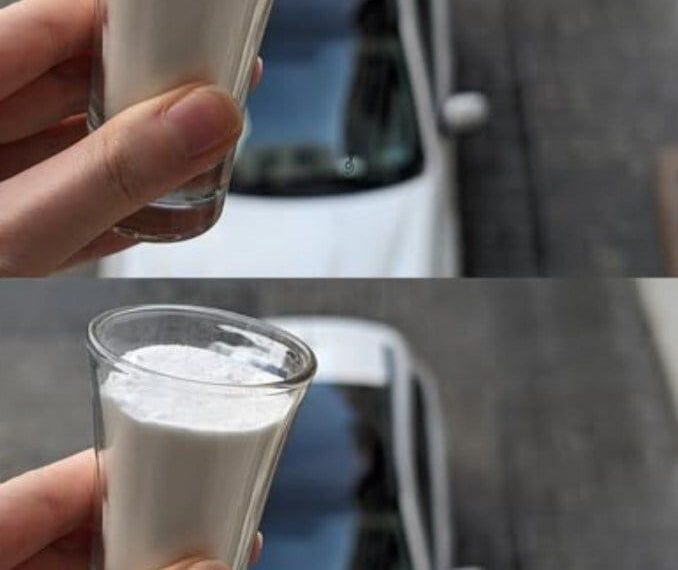
Putting one glass of salt inside your car may sound unusual at first, but once you understand the science behind it, the idea makes perfect sense. This easy, low-cost trick can help reduce moisture, prevent foggy windows, eliminate odors, and even protect your vehicle’s interior and electronics.
Let’s break down why this hack works, how to use it properly, and why every driver should consider trying it.
🌨️ 1. The Hidden Enemy: Moisture Inside Your Car
Many drivers underestimate how much humidity builds up inside a vehicle. Moisture enters your car more easily than you might think, especially during colder or wetter months.
Common Sources of Moisture
- Rainwater brought in on shoes and clothing
- Snow melting off boots and floor mats
- Wet umbrellas or bags
- Humid air entering through open doors and windows
- Condensation from temperature changes
Once moisture is trapped inside the car, it has nowhere to escape. Over time, this leads to several frustrating and potentially serious problems.
Problems Caused by Excess Moisture
- Foggy windows, especially in the morning or at night
- Reduced visibility, which affects driving safety
- Damp seats and carpets
- Musty or sour odors that linger
- Mold and mildew growth, especially under floor mats
- Electrical issues, including corrosion of sensitive components
Humidity is not just uncomfortable—it can slowly damage your car from the inside.
🧂 2. Why Salt Works So Well
Salt is effective because it is hygroscopic, which means it naturally attracts and absorbs water from the air. This is the same principle used in many commercial moisture absorbers and dehumidifiers.
How Salt Acts as a Natural Dehumidifier
When placed inside your car:
- Salt pulls excess moisture from the surrounding air
- The air inside the cabin becomes drier
- Condensation on windows is reduced
- Odor-causing dampness is minimized
Unlike electric dehumidifiers, salt:
- Requires no power
- Is silent
- Is extremely inexpensive
- Works continuously
This makes it an ideal solution for enclosed spaces like vehicles.
❄️ Bonus Benefit: Less Frost and Fog in Winter
During winter, moisture inside your car often freezes on the inside of windows overnight. This leads to:
- Frosted windshields
- Extra scraping time in the morning
- Poor visibility during the first minutes of driving
By reducing interior humidity, salt helps:
- Slow frost formation
- Reduce fog buildup
- Make defrosting faster and easier
While it won’t completely eliminate frost in extreme cold, it can make a noticeable difference—especially overnight.
🚗 3. How to Use Salt in Your Car (Step-by-Step)
Using salt in your car is simple, but it should be done correctly to avoid spills or mess.
Step 1: Choose the Right Container
- Use a glass, ceramic, or sturdy plastic container
- Make sure it’s stable and not easy to tip over
- A wide-mouth glass works best
Avoid flimsy cups that could spill while driving.
Step 2: Select the Right Type of Salt
- Rock salt or coarse sea salt works best
- Avoid fine table salt if possible—it absorbs moisture faster but can turn mushy quickly
- Do not use scented or treated salt
Coarse salt lasts longer and is easier to monitor.
Step 3: Fill the Container
- Fill the glass about ¾ full
- Leave some space at the top to prevent overflow if moisture accumulates
Step 4: Place It in a Safe Location
Good places include:
- Under the passenger seat
- In a cup holder (if secure)
- In the trunk (for overall moisture control)
⚠️ Make sure the container cannot tip over during braking or turning.
Step 5: Monitor and Replace
- Check the salt every 1–2 weeks
- If it becomes damp or clumpy, replace it
- Discard used salt responsibly
🌬️ 4. Odor Control: An Overlooked Benefit
Many car odors are caused by moisture and bacteria, not just dirt. Damp carpets and upholstery are perfect environments for odor-causing microbes.
Salt helps by:
- Drying the air
- Slowing bacterial growth
- Reducing musty smells
While salt is not a fragrance, removing moisture often eliminates odors at the source, making air fresheners unnecessary.
🔌 5. Protecting Your Car’s Electronics
Modern cars contain sensitive electronics:
- Sensors
- Wiring
- Touchscreens
- Control modules
Excess humidity can cause:
- Corrosion
- Short circuits
- Malfunctioning sensors
By lowering moisture levels, salt helps create a drier environment, which is safer for these components—especially in older vehicles or cars parked outside.
🛑 6. Common Mistakes to Avoid
While this hack is simple, a few mistakes can reduce its effectiveness:
❌ Using open containers that tip easily
❌ Placing salt directly on carpets or seats
❌ Forgetting to replace saturated salt
❌ Expecting instant results (it works gradually)
❌ Using salt near children or pets without securing it
Used correctly, salt is safe and effective—but care matters.
🧪 7. Salt vs. Commercial Moisture Absorbers
You might wonder how salt compares to store-bought car dehumidifiers.
Salt
- Extremely cheap
- Widely available
- Eco-friendly
- No electricity required
Commercial Products
- Often use similar hygroscopic materials
- More expensive
- Sometimes scented
- May need refills
Salt offers nearly the same benefit at a fraction of the cost.
🌱 8. Eco-Friendly and Sustainable Choice
Using salt is also an environmentally friendly option:
- No plastic cartridges
- No batteries
- No chemical gels
You can reuse containers and dispose of salt responsibly, making this hack both practical and sustainable.
🚙 9. When This Trick Is Most Useful
This method is especially effective:
- During fall and winter
- In rainy or humid climates
- For cars parked outdoors
- In vehicles used for short trips
- For older cars with worn seals
It’s a low-effort habit that provides consistent benefits.
⭐ 10. Extra Tips for Best Results
- Combine salt with regular ventilation
- Dry wet floor mats as soon as possible
- Clean carpets occasionally
- Use a sunshade to reduce temperature swings
- Keep windows slightly open when safe
Salt works best as part of an overall moisture-control routine.
🧂 Final Thoughts
Putting one glass of salt in your car may sound too simple to matter—but it works. This surprising hack tackles one of the most common and overlooked problems in vehicles: excess moisture.
By absorbing humidity, salt helps:
- Reduce foggy windows
- Improve driving safety
- Prevent mold and odors
- Protect interior materials and electronics
- Make your car more comfortable year-round
It’s affordable, easy to set up, and requires almost no effort—yet the benefits are real.
Sometimes, the best solutions don’t come from expensive products or complicated systems. They come from understanding basic science and applying it in smart ways.
And in this case, all it takes is one glass of salt 🧂🚗.