
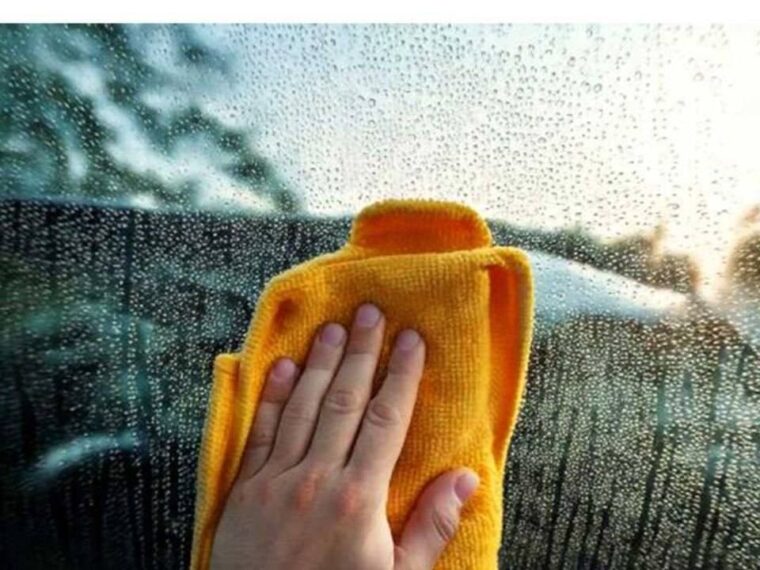
Cleaning the inside of your car windshield is an often overlooked part of vehicle maintenance. Most drivers focus on washing the exterior, but the interior surface can accumulate dirt, grease, and invisible residues that seriously affect visibility. A clean windshield isn’t just about aesthetics—it’s crucial for driving comfort, safety, and overall road awareness.
Grease, smoke residue, dust, and even tiny particles released by dashboard plastics can build up over time, creating a film that glows when hit by sunlight or oncoming headlights. This can cause glare, strain your eyes, and make night driving particularly hazardous.
In this guide, we’ll explore why your windshield gets dirty, what tools you need, and a step-by-step process for achieving a streak-free, crystal-clear surface.
Why the Inside of the Windshield Gets Dirty
Many drivers are surprised to learn that the inside of the windshield can get just as dirty, or even dirtier, than the outside. Several factors contribute to this buildup:
- Condensation and humidity: Moisture inside the car can combine with dust and residues, leaving a cloudy film. This is especially common in colder months or after rain.
- Smoke or vapor residue: Smoking in the car, vaping, or even burning candles near the vehicle can leave greasy deposits. Cooking smells that linger on clothing can also contribute.
- Air pollution entering the cabin: Dust, pollen, and tiny particles from outside air circulate into your vehicle through vents, doors, and windows.
- Gases released by dashboard plastics: Many car interiors are made of plastics that slowly off-gas over time. These gases settle on the windshield as a greasy, invisible layer, causing glare, fogging, and streaking.
Over time, this layer can become a major safety concern, particularly when driving at night or directly into the sun. Regular cleaning of the inside of your windshield is essential to prevent accidents and reduce eye strain.
The Right Tools for a Streak-Free Result
Using the correct tools is half the battle when cleaning your car windshield. Paper towels or standard household rags often leave lint, streaks, or scratches, which only make the problem worse. Here’s what you need:
- Clean, dry microfiber cloths – Microfiber is gentle on glass and highly absorbent. Have at least two: one for wiping and one for polishing.
- Slightly damp microfiber cloth – Used in combination with your cleaner for stubborn residue.
- Ammonia-free glass cleaner (automotive-grade) – Ammonia-based cleaners can damage tinted windows and plastics inside the car.
- White vinegar diluted with water – A natural alternative that is effective at removing greasy films and streaks.
⚠️ Avoid paper towels or newspapers. These leave lint and can create streaks or small scratches on the glass.
Optional tools for difficult spots:
- A soft-bristle detailing brush for edges
- Compressed air to blow dust out of corners
- A small spray bottle for cleaner or vinegar solution
Step-by-Step: How to Clean the Inside of Your Windshield
Cleaning the inside of a car windshield is simple if done carefully and methodically. Follow these steps for the best results:
Step 1: Prepare the Car Interior
- Move seats back and remove items from the dashboard and windshield area.
- Turn off the car and ensure the cabin is cool and dry. Cleaning on a hot, sunny day can cause cleaner to evaporate too quickly, leaving streaks.
Step 2: Dust Off Loose Particles
- Use a dry microfiber cloth or soft brush to remove dust and loose debris.
- Pay attention to the corners, edges, and the area where the glass meets the rubber seals. Dust in these spots often contributes to streaks.
Step 3: Choose Your Cleaner
- Option 1: Ammonia-free automotive glass cleaner – Spray lightly on your cloth, not directly on the windshield to avoid overspray on the dashboard.
- Option 2: White vinegar solution – Mix 50% vinegar with 50% water in a spray bottle for a natural cleaner.
Step 4: Wipe in a Consistent Pattern
- Use horizontal strokes from one side of the windshield to the other.
- Avoid circular motions, which can leave overlapping streaks.
- Work from the top down to catch drips and prevent re-contaminating cleaned areas.
Step 5: Dry and Polish
- Use a second dry microfiber cloth to buff the glass until it is completely streak-free.
- Focus on corners and edges, where cleaner often accumulates.
- For stubborn spots, slightly dampen the cloth with water or cleaner, then polish again.
Step 6: Repeat for Tough Residue
- For films caused by smoke or dashboard off-gassing, a second cleaning may be necessary.
- Vinegar is particularly effective at breaking down greasy residues.
- Be patient—rushing may leave streaks.
Tips for Maintaining a Clean Windshield Longer
- Avoid smoking inside the car – Smoke residue is one of the biggest contributors to dirty interior glass.
- Keep your dashboard clean – Wipe with a damp cloth regularly. Use a UV-protectant wipe if possible, as sun exposure accelerates plastic off-gassing.
- Ventilation matters – Air out the car after using it, especially if the weather is humid. This reduces condensation that can leave streaks.
- Use sunshades when parked – Excessive heat can accelerate dirt buildup and dashboard gas release.
- Regular maintenance – Cleaning the windshield once a month keeps buildup minimal and prevents difficult-to-remove films.
Why Night Driving Benefits from a Clean Interior Windshield
The difference is dramatic when driving at night. A greasy or dusty interior can:
- Increase glare from headlights
- Reduce overall visibility
- Cause eye fatigue on long drives
A clear windshield makes night driving safer and more comfortable. This is why cleaning the inside of your windshield is just as important as washing the outside.
Common Mistakes to Avoid
Next page