
- Dig a hole twice as wide as the root ball. This gives roots space to spread.
- Mix in compost or peat moss to enrich the soil.
- Plant so the root crown is just below soil level.
- Water thoroughly to settle the soil around the roots.
- Apply a 2–3 inch layer of mulch (pine bark or pine needles work best) to retain moisture and suppress weeds.
💡 Pro Tip: Mulch also gradually lowers soil pH, creating ideal conditions for acid-loving plants.
4. Watering and Feeding
Blueberries need consistent moisture, particularly in the first two years while establishing roots.
Watering:
- 1–2 inches of water per week is ideal
- Water deeply at the base, avoiding wetting leaves too much
- Avoid overwatering; blueberries do not like soggy soil
Feeding:
- Use fertilizers designed for acid-loving plants such as rhododendrons or azaleas
- Avoid high-phosphorus fertilizers, which can harm blueberry roots
- Organic options like fish emulsion, compost tea, or coffee grounds can also help
💡 Pro Tip: Use rainwater if possible, as tap water can contain minerals that raise soil pH over time.
5. Pruning for Productivity
Pruning is one of the most important steps for healthy, productive blueberry bushes. Done correctly, it encourages new growth, removes dead branches, and increases fruit size.
When to prune:
- Late winter, while the plant is dormant
How to prune:
- Remove any weak, damaged, or crossing branches
- Cut older branches at the base to encourage new shoots
- Maintain an open center to allow sunlight and air circulation
- Remove small, spindly shoots that are unlikely to bear fruit
Proper pruning increases berry size, overall yield, and plant longevity. A well-pruned bush can produce twice as many berries as an unpruned one.
6. Protecting Your Berries
Blueberries are highly attractive to birds. To protect your harvest:
- Use bird netting to cover bushes when berries start ripening
- Plant some taller shrubs nearby to provide alternative food sources for birds
- Use lightweight garden fencing if deer are present
Additionally, keep an eye out for pests such as aphids, spider mites, and blueberry maggots. Most problems can be managed with organic or home remedies, such as insecticidal soap or neem oil.
7. Harvesting and Storing
Timing: Blueberries are ready to harvest when they are fully blue and slightly soft. They do not continue ripening after picking.
Harvest tips:
- Gently roll berries between your fingers instead of pulling them
- Harvest every few days during peak season
- Leave the largest berries for later, as they often ripen last
Storing:
- Fresh blueberries can last 1–2 weeks in the fridge
- Freeze excess berries for smoothies, baking, or long-term storage
- Blueberries can also be canned or dehydrated for winter use
8. Extending the Harvest Season
Blueberries don’t all ripen at the same time. To enjoy a longer harvest season, consider:
- Planting early, mid, and late-season varieties
- Staggering planting dates by a few weeks
- Supporting plants with healthy soil and consistent watering
This approach can give you fresh blueberries for 2–3 months straight, depending on your climate.
9. Long-Term Care for a Never-Ending Supply
Blueberries are long-lived plants, and with proper care, they can provide fruit for decades. Long-term maintenance includes:
- Annual pruning to remove old wood
- Refreshing mulch each year to maintain soil moisture and acidity
- Checking soil pH every 2–3 years
- Fertilizing lightly in early spring
- Protecting plants from extreme weather with shade cloths or windbreaks
With these steps, your blueberry bushes can thrive year after year, producing a consistent and reliable harvest.
10. Additional Tips for Backyard Blueberries
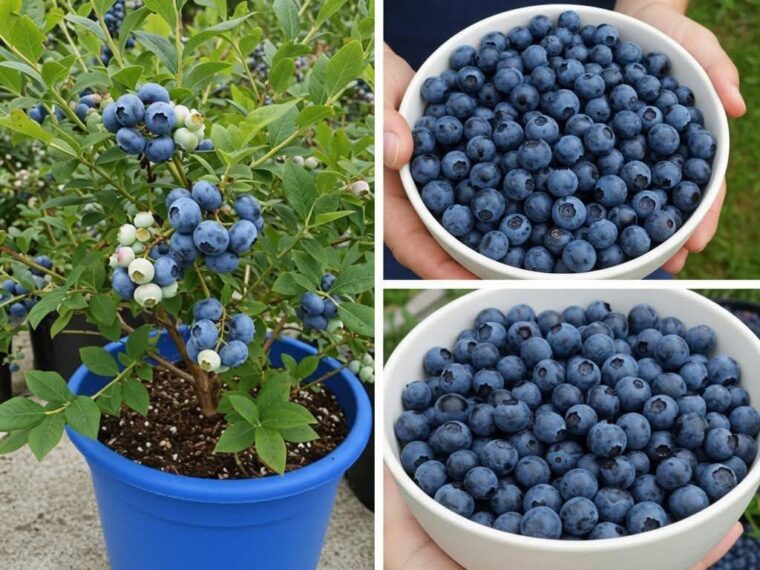
- Container planting: Blueberries also grow well in pots if your soil is poor. Use large containers with acidic potting mix and ensure consistent watering.
- Companion planting: Consider planting strawberries, rhododendrons, or azaleas nearby, as they share similar soil preferences.
- Pollinators: Encourage bees and other pollinators for larger yields. Planting flowers nearby can help.
- Winter care: In colder climates, add a thick layer of mulch around the base in late fall to protect roots.
🫐 Final Thoughts
Growing blueberries is both rewarding and practical. A few carefully chosen bushes, planted and maintained correctly, can provide a never-ending supply of fresh, delicious berries for decades.
From selecting the right variety to pruning, watering, and protecting your plants, each step plays a role in long-term success. Blueberries are not only a nutritious addition to your diet but also a beautiful, low-maintenance feature for your backyard garden.
With patience and observation, even a small yard can become a fruitful blueberry paradise, ensuring that every summer brings the joy of picking fresh berries right from your own backyard.
By following these steps, anyone—beginner or experienced gardener—can enjoy years of abundant, organic blueberries while enhancing the beauty and sustainability of their outdoor space.
If you want, I can also:
- Make a version with photos, diagrams, and planting timelines for easier visual guidance
- Add troubleshooting tips for common blueberry problems
- Create a season-by-season care calendar to guarantee continuous production